




Moving through the winter months, a familiar cultural phenomenon returns: cuffing season. As temperatures drop, our desire for romantic warmth rises, so much so that dating apps see some of their highest activity of the year!
But humans aren’t alone in feeling the seasonal pull toward partnership. Across the natural world, winter sparks mating rituals, bonding behaviours, and carefully timed 'romances' that are essential for survival. From serenading whales to steadfast penguin pairs, nature offers a fascinating mirror to our own winter instincts.
So, what exactly is cuffing season, why does it happen, and what can wildlife teach us about our desire to connect?
Jump to:
What is cuffing season?
Cuffing season is a term coined in modern culture to describe the period in autumn and winter when single people feel an increased desire to settle down in a romantic relationship. It typically begins around late October and can last until Valentine’s Day in February.

Several factors contribute to this seasonal urge:
- Colder weather: Lower temperatures naturally encourage us to seek warmth, comfort, and companionship.
- Holiday pressure: Festive gatherings, family events, and social media highlights can intensify feelings of loneliness.
- Biological factors: Reduced daylight can influence mood-regulating hormones, increasing our desire for emotional and physical closeness.
While the term itself is modern, the behaviour behind it is anything but new.
The science behind winter romance
Human behaviour is deeply influenced by biology, and winter brings noticeable changes. Shorter days affect levels of melatonin and serotonin, hormones that regulate sleep, mood, and energy. Reduced sunlight can lead to lower serotonin levels, which may explain why many people crave connection during darker months.
At the same time, bonding hormones such as dopamine and oxytocin, often called the brain’s “feel-good” and “love” chemicals, reinforce behaviours that promote closeness, touch, and emotional intimacy. In evolutionary terms, seeking companionship during winter likely offered warmth, protection, and social stability.
In other words, cuffing season isn’t just a social trend; it’s biology quietly nudging us toward connection.
Wildlife mating seasons: nature’s winter love story
Humans may joke about winter relationships, but in the animal kingdom, seasonal pairing is a matter of survival. Many species time their mating seasons carefully so offspring are born when conditions are most favourable.

Examples of Wildlife That Mate in Winter:
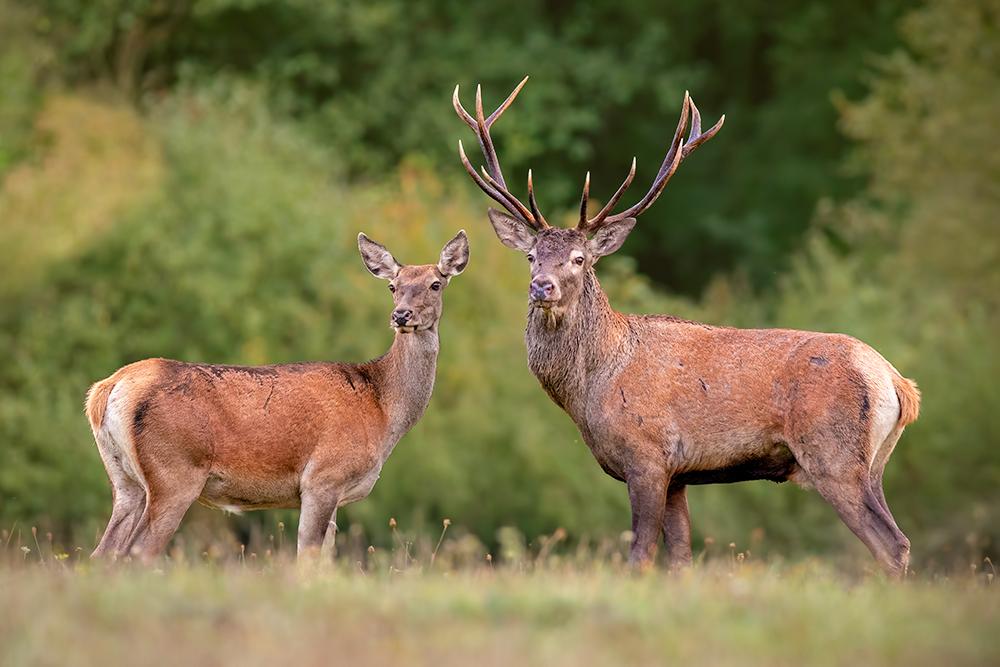
- Deer: Most species of deer enter their rut (mating season) during autumn and early winter. This timing ensures that fawns are born in spring when food is abundant.
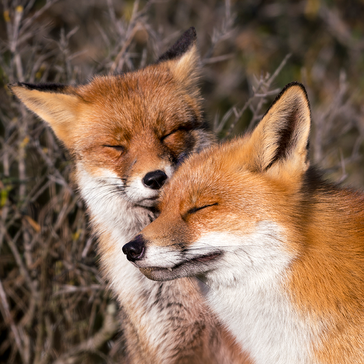
- Foxes: Red foxes typically mate from December to February, with kits arriving in early spring.
- Wolves: Wolves often breed in late winter, synchronising births with the thawing of snow and availability of prey. Strong pair bonds form within the pack and help ensure cooperative care of pups.
- Humpback Whales: During winter, humpbacks migrate to warm tropical waters to breed. Males perform hauntingly beautiful songs and dramatic acrobatics to attract mates, one of nature’s most spectacular courtship displays.
- Emperor Penguins: Perhaps the ultimate symbol of winter partnership, emperor penguins court and breed during the Antarctic winter. Mates rely on close bonding and shared body warmth to survive some of the harshest conditions on Earth.
Across species, the pattern is clear: winter encourages animals to pair up, bond, and prepare for the future.
What can we learn from wildlife?
Observing wildlife reminds us that our seasonal desire for connection isn’t shallow or purely cultural; it’s almost deeply ingrained. Just as animals form partnerships to endure harsh environments and ensure the next generation thrives, humans seek companionship to navigate emotional and physical challenges.
Nature shows us that bonding is adaptive, meaningful, and often beautifully timed.
Conclusion
While many of us joke about cuffing season and the effects of the winter months, perhaps it is more than an urban joke and social media trend; it very much seems to be a part of a biological rhythm shared across species. As Earth tilts into winter, both humans and animals respond to the same environmental cues, seeking warmth, security, and connection.
From foxes and wolves to whales and penguins, the natural world reminds us that winter is not just a season of cold, but one of bonding. Perhaps, instead of resisting cuffing season, we can embrace it as a season that has connected life on Earth for thousands of years.