

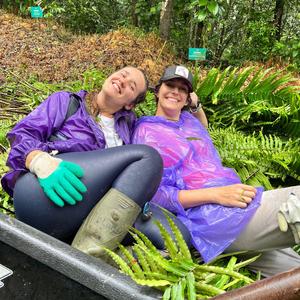
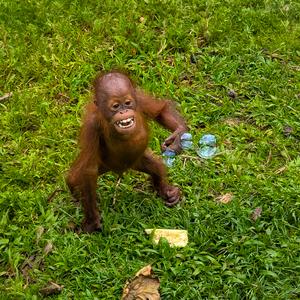
Many people dream of travelling overseas to make a difference, but does volunteering abroad really help, especially when it comes to wildlife conservation? The answer depends entirely on choosing ethical, responsible projects that are designed to support long-term rehabilitation and animal welfare.
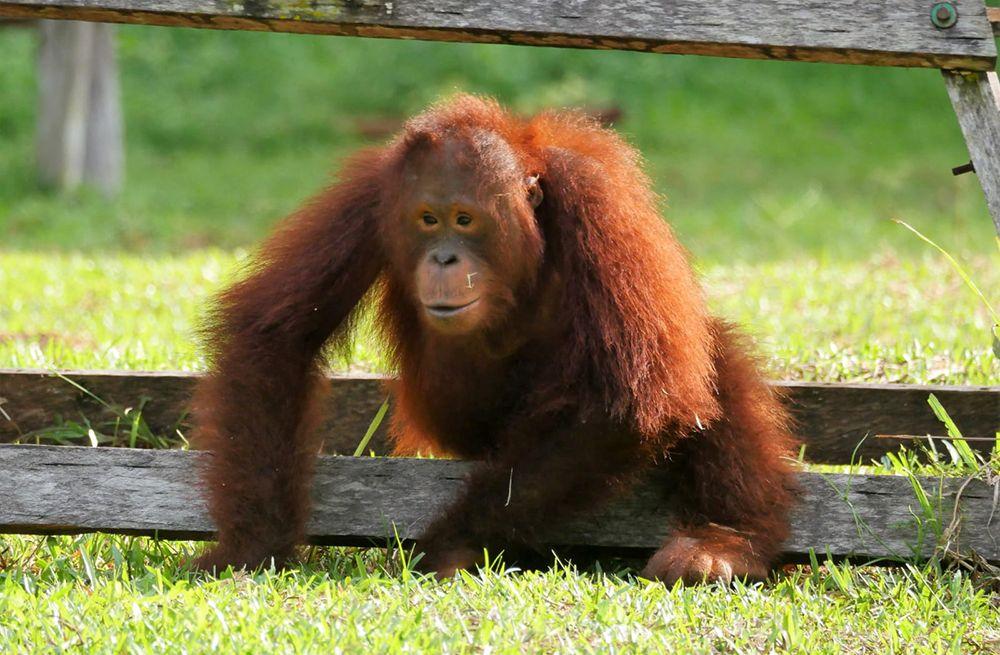
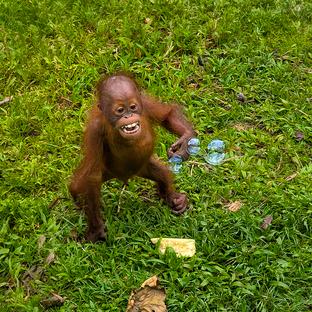
For example, Bumi, a young orangutan at the Nyaru Menteng Orangutan Sanctuary, is a powerful example of how thoughtful, ethical volunteering can contribute directly to wildlife recovery. Thanks to years of volunteer-driven enrichment, husbandry care, and habitat improvements, Bumi graduated to the pre-release islands in July, the final step before his return to the rainforest!
Bumi’s Story: How Ethical Volunteering Makes an Impact
Bumi is one of many orangutans whose journey has been shaped by the dedication of The Great Projects volunteers. Here are a few ways that volunteers have helped Bumi progress through the different stages of rehabilitation:
Enrichment That Builds a Wild Skillset
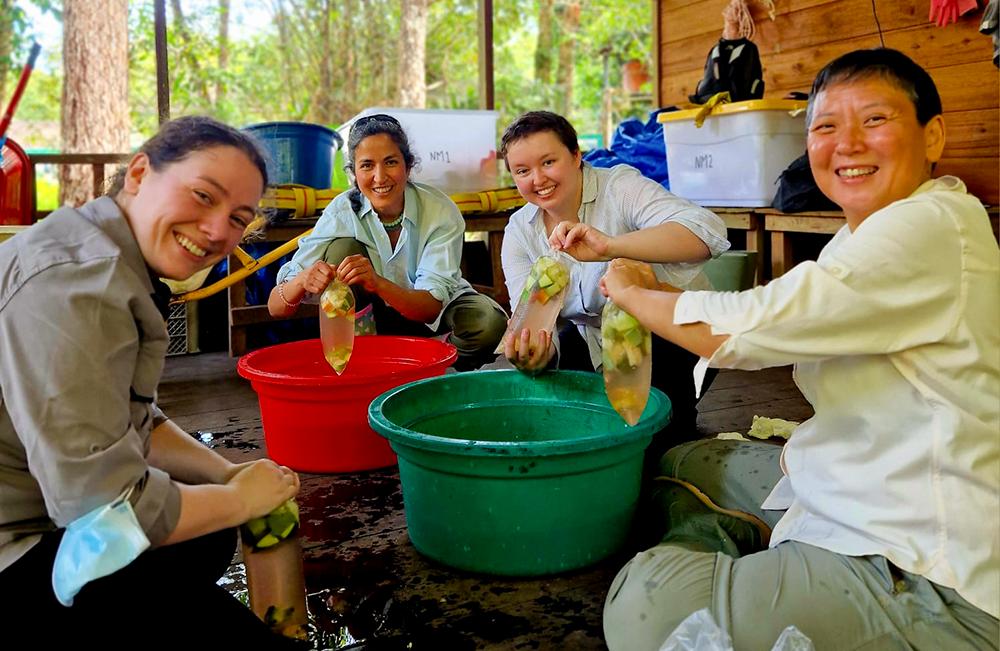
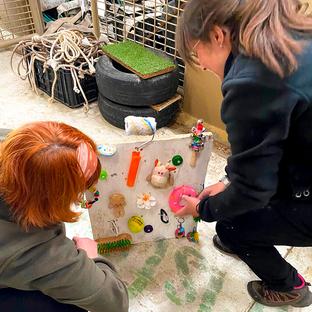
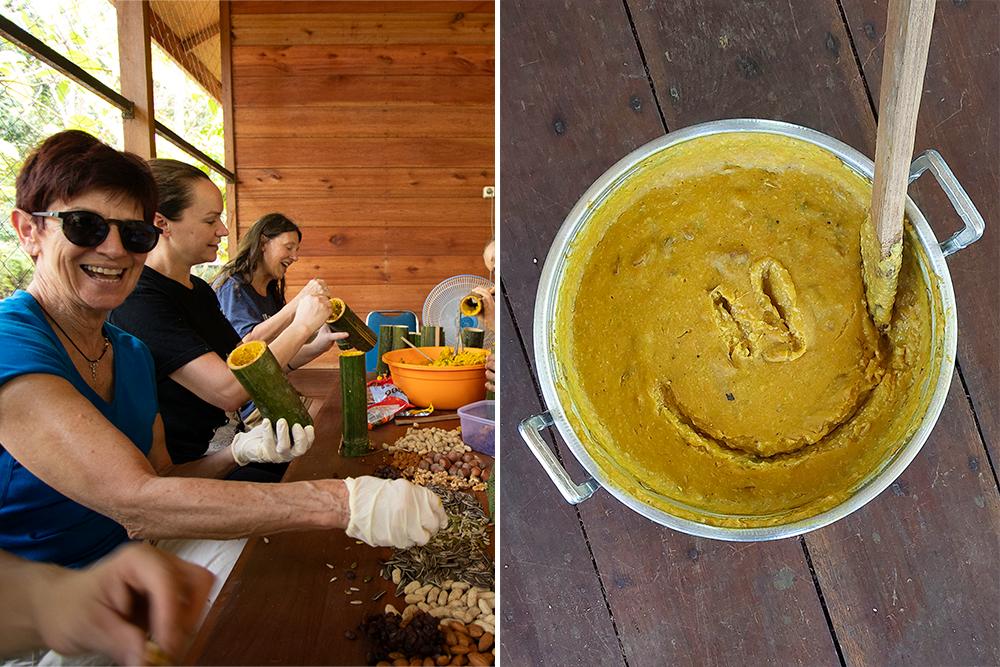
One of the biggest contributions volunteers made to Bumi’s rehabilitation is creating enrichment activities designed to keep orangutans mentally stimulated. These challenges help orangutans like Bumi learn essential wild behaviours, such as problem-solving, foraging, and tool use. Without these skills, release into the rainforest would be impossible.
A Jungle Gym for Growth and Strength
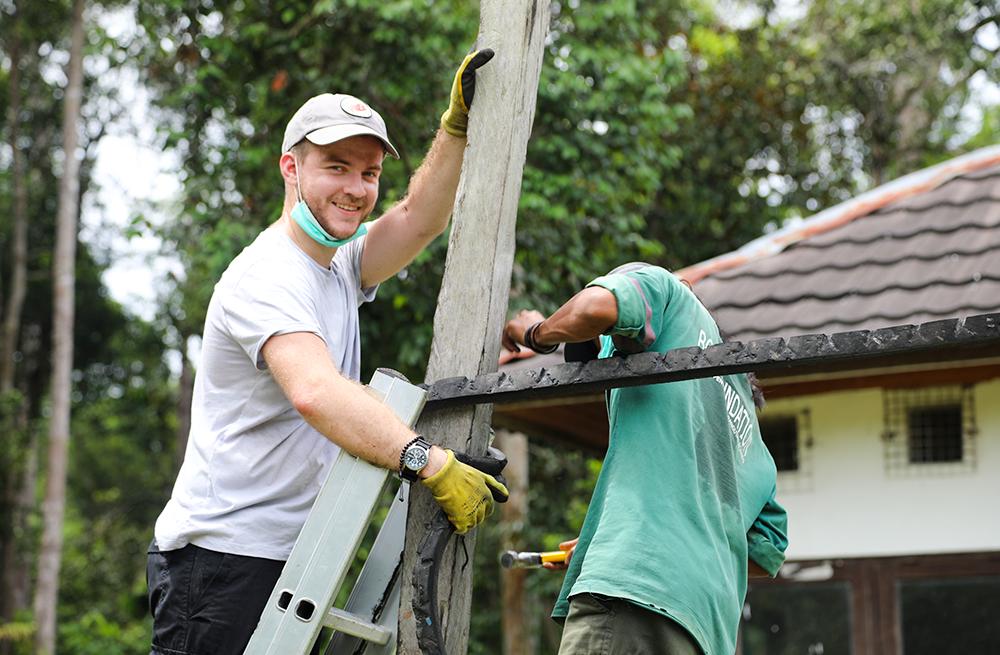
When Bumi was younger, volunteers also helped construct a safe, sturdy jungle gym, giving Bumi and his Orangutan Jungle School classmates the opportunity to climb, swing, and develop the muscles and balance needed to thrive in the treetops.
A Cooling Pool Made Possible by Volunteers
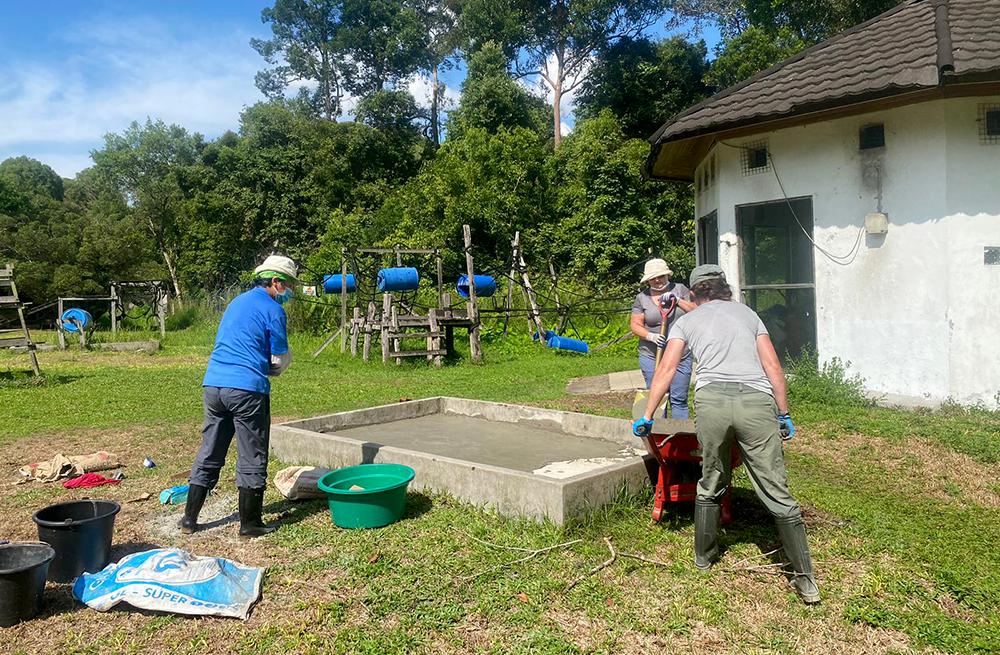
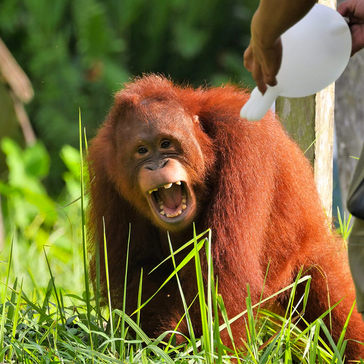
To keep Bumi and pals comfortable under the hot mid-day sun, volunteers built an outdoor pool. While it may seem like a simple addition, access to water enrichment encourages exploration, natural behaviours, and stress-free cooling, small but meaningful steps toward rehabilitation success.
Collection & Distribution of Nesting Materials
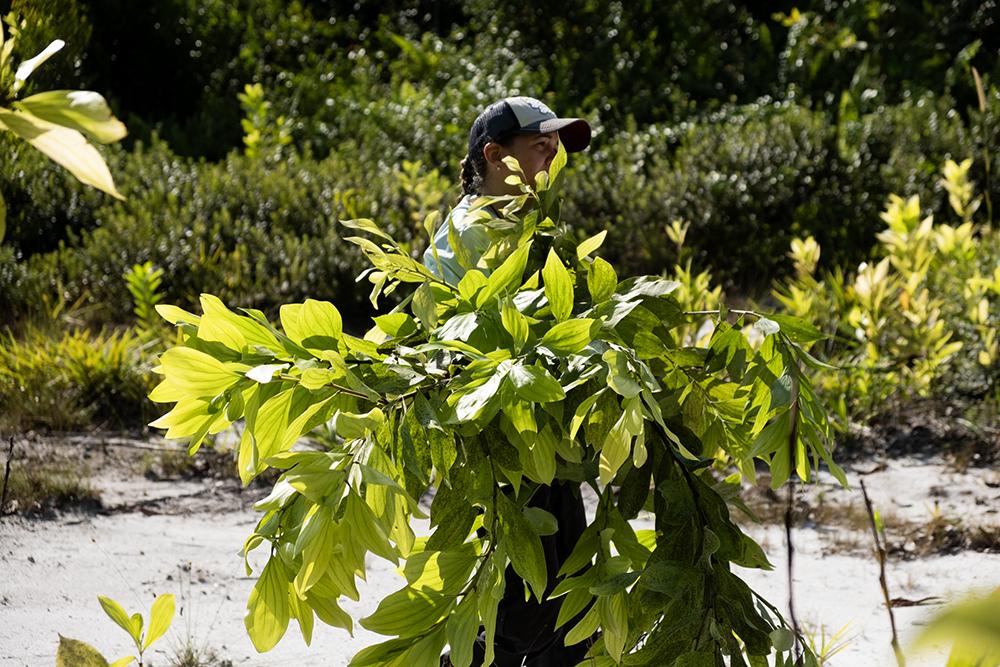
Volunteers are essential in collecting and distributing natural materials, such as leaves, branches, and soft foliage, that Bumi and other orangutans use to practise building their nests. These materials helped him strengthen the skills he’ll use on the pre-release islands and once released into the national park.
A Major Milestone: Bumi Graduated to the Pre-Release Islands
Thanks to years of dedicated volunteer support, Bumi progressed to the pre-release islands this July, a vital stage in orangutan rehabilitation. Here, he lives with minimal human contact, learning how to survive independently:
- Foraging naturally
- Building nests
- Exploring the forest
- Developing social behaviours
He'll be observed by orangutan technicians daily, and as a volunteer, you may just see him on the island when you embark on two boat rides with the team!
This is the final step before he returns to the rainforest where he truly belongs. Every piece of enrichment, every structure built, and every hour donated by volunteers played a part in getting him here.
So, Does Volunteering Abroad Really Help?
Absolutely, when it’s done right. Ethical conservation programs rely on volunteers for additional support, but protecting the welfare of the animals and avoiding harmful practices is always the priority.
Here’s how volunteering can benefit wildlife in real and measurable ways:
1. Essential Care and Enrichment
Volunteers prepare enrichment, maintain enclosures, and support daily operations that directly improve animal welfare.
2. Better Living Spaces
From pools to climbing frames, and even observation platforms, volunteer-built structures give rehabilitating animals safe, meaningful environments to grow.
3. More Manpower
Wildlife centres are often run by NGOs and charities, which typically have smaller workforces. Volunteer support allows experts to focus on medical care, behavioural monitoring, and rehabilitation planning, while other essential but more accessible tasks are covered.
4. Increased Awareness and Education
Volunteers return home as advocates, spreading awareness about wildlife conservation, sustainability, and ethical voluntourism.
5. Sustained, Long-Term Impact
The work a volunteer does today continues to benefit animals for years, just like Bumi’s jungle gym, food puzzles, and cooling pool. As well as the donation from the project fee, which is fed directly into their care.
The Importance of Ethical Voluntourism
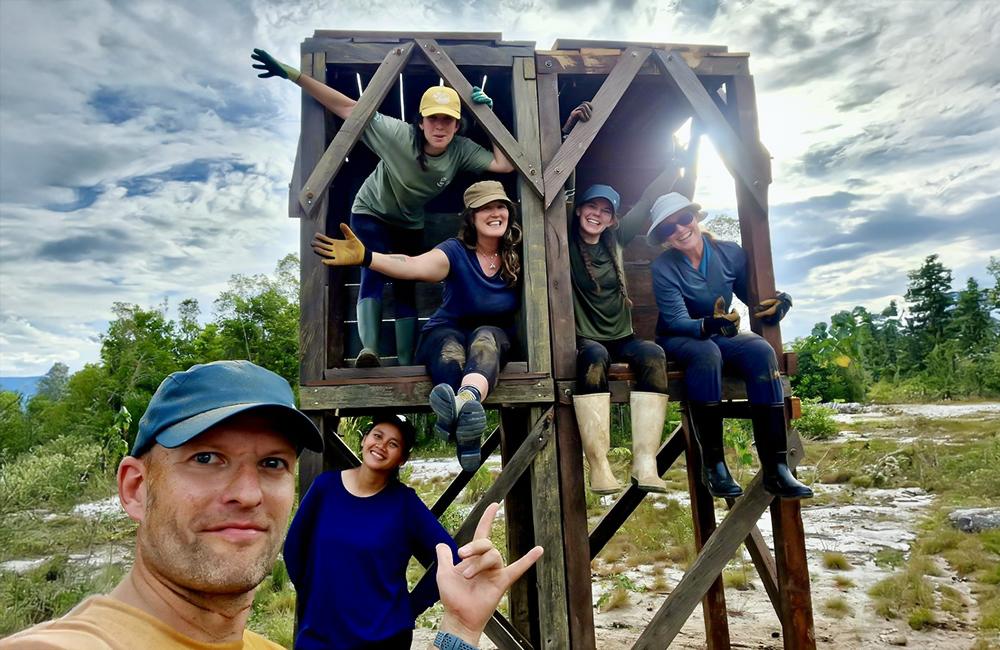
Not all volunteer experiences are created equal, and this is where choosing ethical volunteer projects becomes essential. Ethical wildlife projects:
- Never allow direct handling of orangutans (or other wildlife unless essential).
- Focus on rehabilitation, not photo opportunities
- Follow strict animal welfare guidelines
- Support local communities and conservation goals
- Ensure volunteer work adds genuine long-term value
This approach ensures that volunteering abroad truly helps without compromising the well-being of the animals and local communities involved.
Your Efforts Can Change a Life
Every hour volunteered, every enrichment crafted, every structure built, these moments add up to life-changing progress. They are the reason Bumi is now living on the pre-release islands, one step away from returning to the true wild.
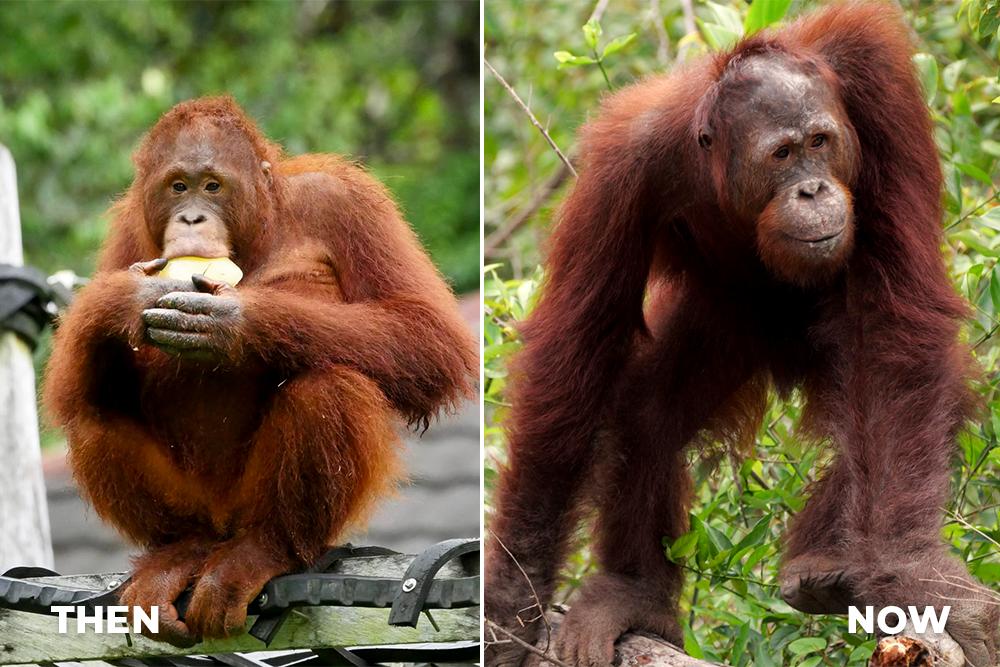
Your time volunteering with us doesn’t just fill a need. It becomes part of an animal’s future.
Ready to Make a Real Difference?
If you’ve ever wondered, "Does volunteering abroad really help?", Bumi’s journey should guide your answer. Ethical conservation volunteering can transform the lives of wildlife, and your contribution could be part of the next rehabilitation success story.