

Valentine’s Day has rolled around again, bringing with it overpriced flowers, nightmare restaurant reservations, and the annual pressure to prove you’re not emotionally unavailable.
Jump to:
Meanwhile, in the animal kingdom, mating habits are refreshingly straightforward, even if wildly varied. From the famously paired like wolves and lovebirds, to species like chimpanzees, where relationships are… let’s call them liberal, nature shows that there’s no universal blueprint for romance. These behaviours are about biology and strategy, stripping away any fairytales and moving the natural world on.
So, this Valentine’s Day, consider this article a look at love in its many forms, and maybe a slightly uncomfortable mirror held up to the human dating experience, one where you can decide exactly where you fit in the chain!
The Lifers: Animals That Mate for Life
Some animals form long-term pair bonds that last for years, sometimes decades. Not because they’re sentimental, but because cooperation can be a serious advantage in the wild. Much like if you want to buy a house in the current market.
Sadly for you hopeless romantics out there, when people refer to animals that “mate for life”, often what this really means is that they are socially monogamous, they live together, raise young as a pair, and share resources; however, they are not always strictly faithful.
Albatrosses
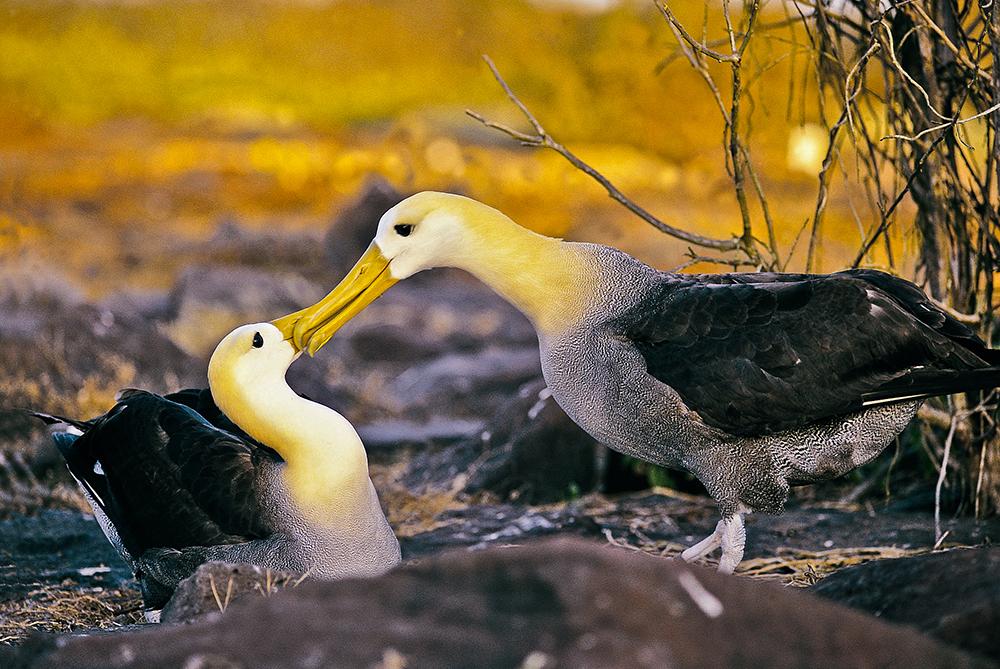
Relationship status: In it for the long haul
Love language: Elaborate dancing & long-distance devotion
Nobody can question the commitment of an albatross; pairs can stay together for over 50 years, reuniting at the same nesting site each season. Their courtship starts with bill-clacking, head-bobbing, and elaborate synchronised dances that seal their bond for the future.
Once they’ve chosen a partner, they reunite year after year at the same breeding colony, even after spending months roaming the ocean alone. They share parenting duties, taking turns incubating eggs and flying long distances to find food.
These birds are socially monogamous, as are 90% of all bird species. Interestingly, while “divorce” is rare, studies suggest that global warming has triggered an uptick in albatrosses divorcing and finding new partners.
Wolves
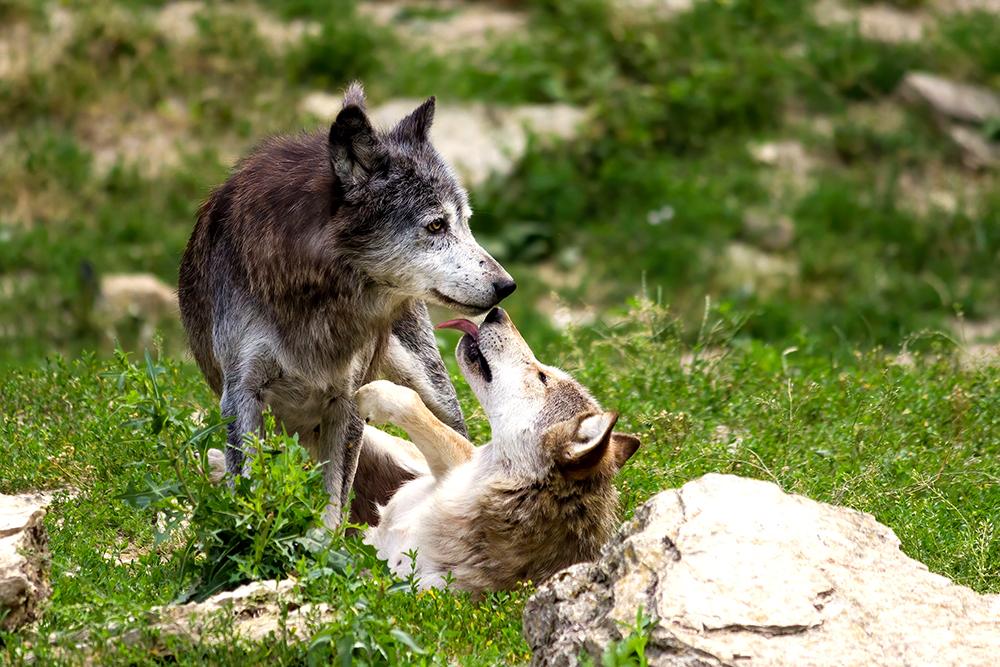
Relationship status: Power couple
Love language: Shared responsibility
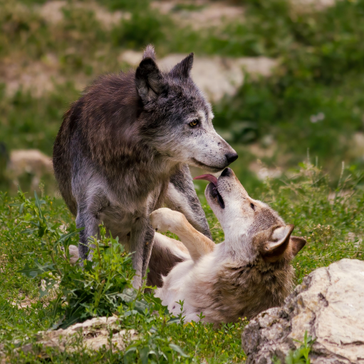
Wolves are often held up as one of nature’s most loyal species. They typically form long-term monogamous pairs, with a breeding male and female at the head of the family. The dynamics of their relationships ripple through the entire pack, with a strong pair bond at the top stabilising the entire group.
This power couple leads the group, makes decisions about hunting and territory, and raises pups together, often with help from older offspring or other pack members.
Extra-pair mating is rare, and the focus is on keeping the pack thriving as a family unit, where everyone knows their role and supports one another.
Lovebirds
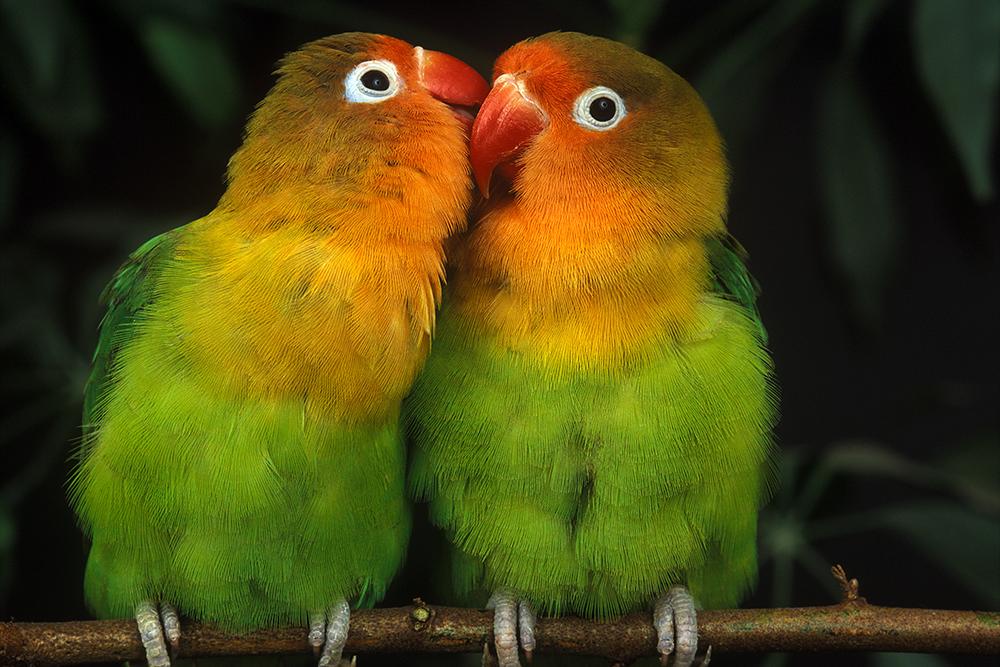
Relationship status: Devoted duet
Love language: Snuggles and synchronised preening
Lovebirds form strong pair bonds, often staying with the same partner for life, and show affection through constant close contact. These couples spend most of their time together, preening, feeding, and roosting side by side.
You'll see lovebirds engaging in allopreening, grooming each other, especially the head and neck, which are hard to reach on their own, as well as performing synchronised preening, mirroring each other’s movements to reinforce their bond.
Mating outside of the pair is uncommon, and the focus is on loyalty and cooperation, with both birds investing fully in their partnership and family life. When separated or if a mate dies, lovebirds will often exhibit signs of depression and stress.
Beavers
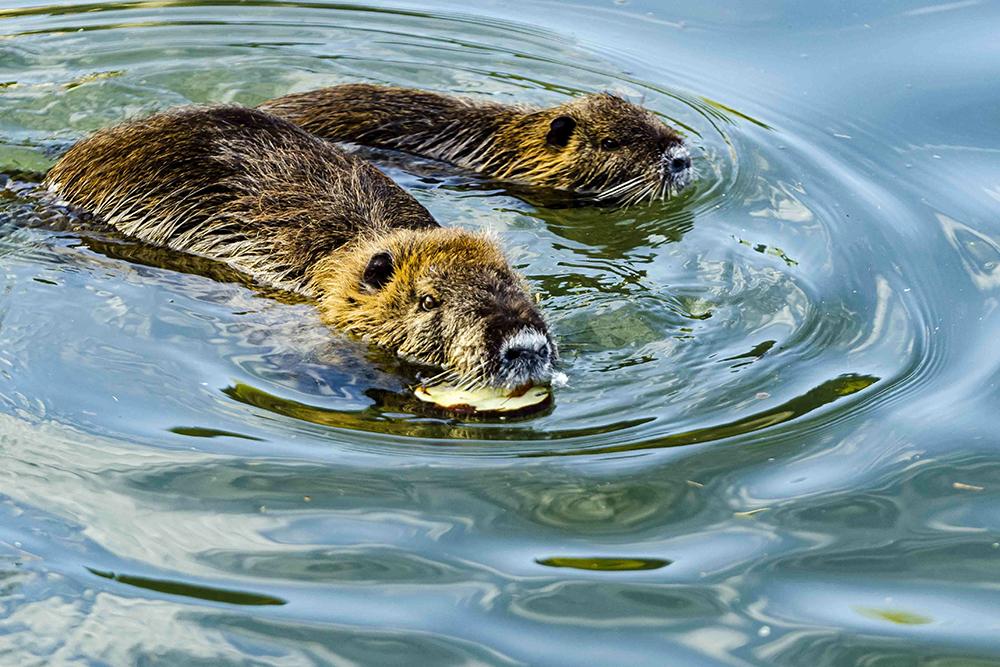
Relationship status: Domestic bliss
Love language: Building a house from scratch
Beavers are renowned for their strong partnerships in the wild, and could be considered one of the more ‘adult’ relationships of the animal kingdom. They usually form lifelong socially monogamous pairs, with both the male and female working to construct and maintain their lodges, dams, and watery homes.
Their relationship sets the tone for family life, with both parents actively involved in raising and guiding their kits.
Though extra-pair mating is rare, North American beavers are known to be less strict on their monogamous status than their Eurasian counterparts.
Gibbons
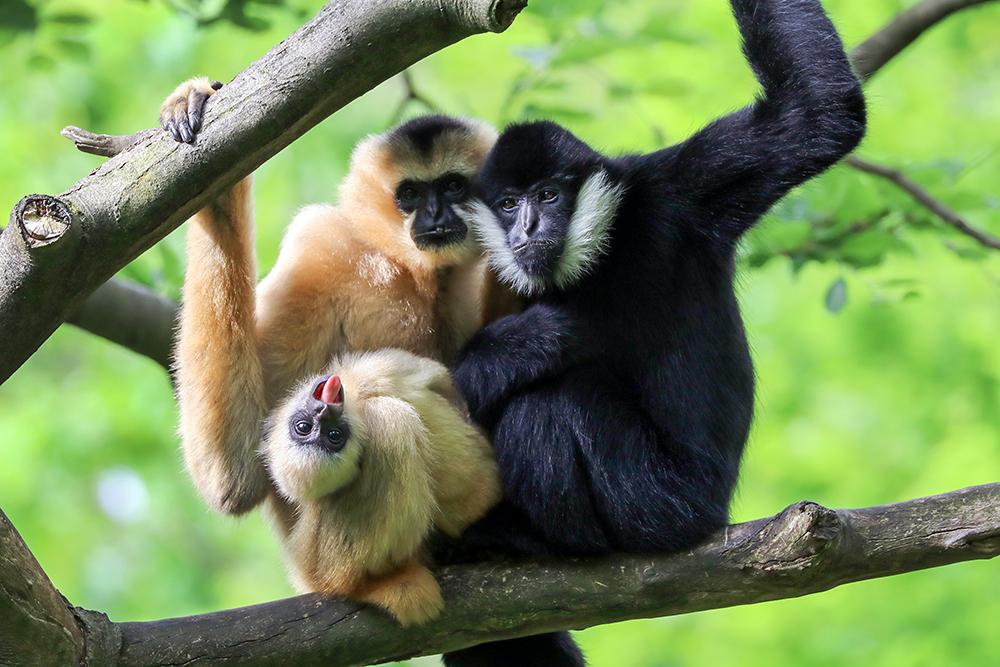
Relationship status: Duet partners
Love language: Singing
Gibbons stand out in the primate world for their rare, socially monogamous, long-term bonds. Unlike most primates, these apes stick with a single partner, raising their young together and moving through the forest canopy as a team.
Their connection is visible in playful wrestling, careful grooming, and the duets they sing to communicate, reinforce their bond, and mark their territory.
Lifelong monogamy is unusual among primates, and separation in gibbons can cause real stress, showing how central these pair bonds are to gibbons’ family and social life.
Animals Who Don’t Do Forever
Now, not every species is built for lifelong partnership. In fact, polygamy and polygyny have proved to be the better survival strategy for countless species. It's estimated that only 3-5% of mammal species are monogamous, which is an interesting contrast to bird species, sitting at around 90%.
Many animal relationships treat romance as seasonal, opportunistic, or purely situational. The following are some of nature's lotharios of the animal kingdom, and the ones you may expect to find on Tinder.
Frogs
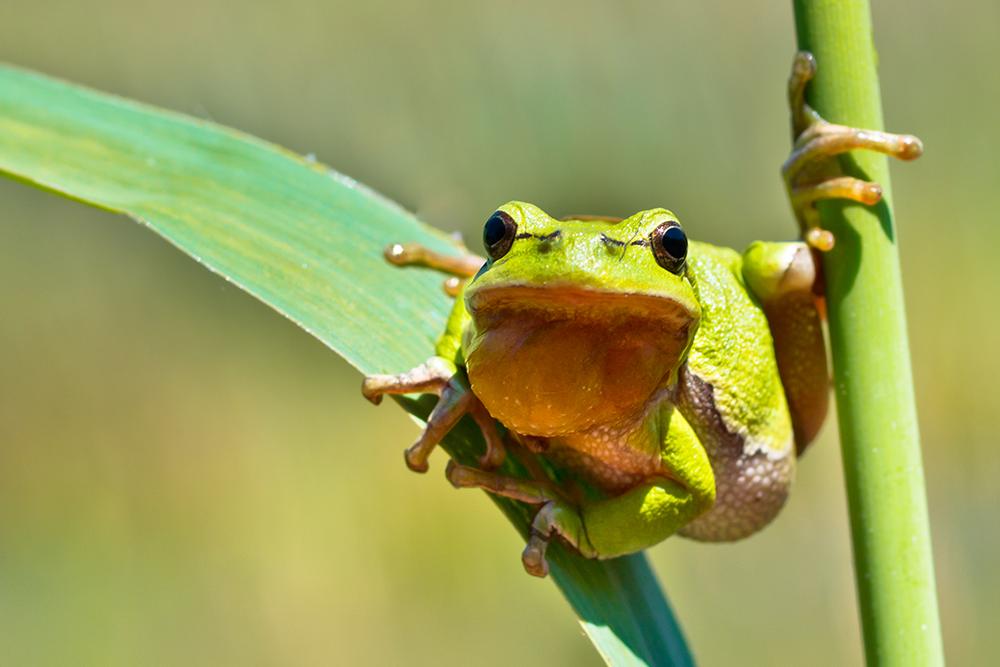
Relationship status: One rainy night only
Love language: Late-night calling
Frogs are certainly the commitment-phobes of the animal kingdom. Most species adopt a “meet, mate, and move on” approach, with males calling loudly to attract as many females as possible and climbing on top in a frenzy of amplexus just long enough to fertilise eggs. (Eyeroll, ladies!)
Once it's done, the pair usually goes their separate ways, leaving the next generation to fend for itself. In the amphibian world, mating is short, chaotic, and entirely focused on reproduction, the opposite of the careful pair bonds seen in birds or mammals.
Lions
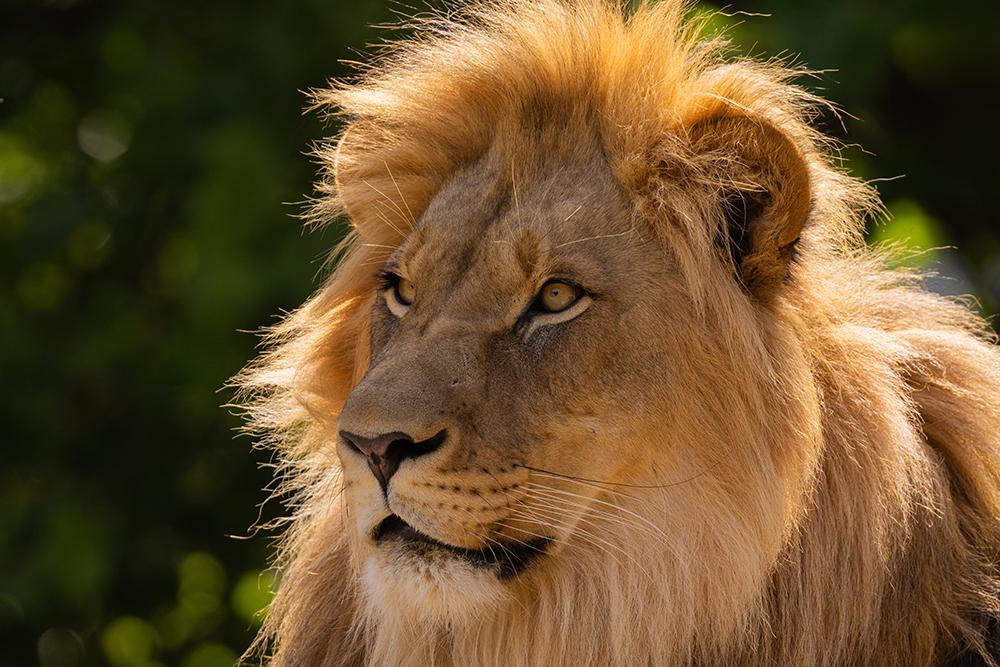
Relationship status: Dramatic situationship
Love language: Intensely competitive
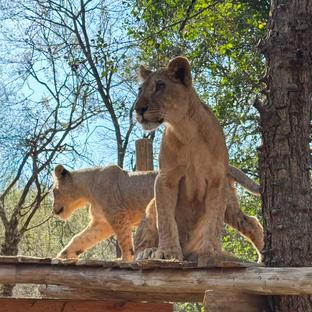
Within a pride, male lions will mate with multiple females in the group, and females often mate with several males, helping to ensure the survival of their cubs through genetic diversity.
A lion’s social life revolves around the pride rather than a single partner. While bonds between females can be strong, male-female relationships are generally temporary and driven by reproduction. In the wild, lion “romance” is less about loyalty and more about power, opportunity, and making sure the next generation is secure. The savannah is not built for slow burns.
Elephants
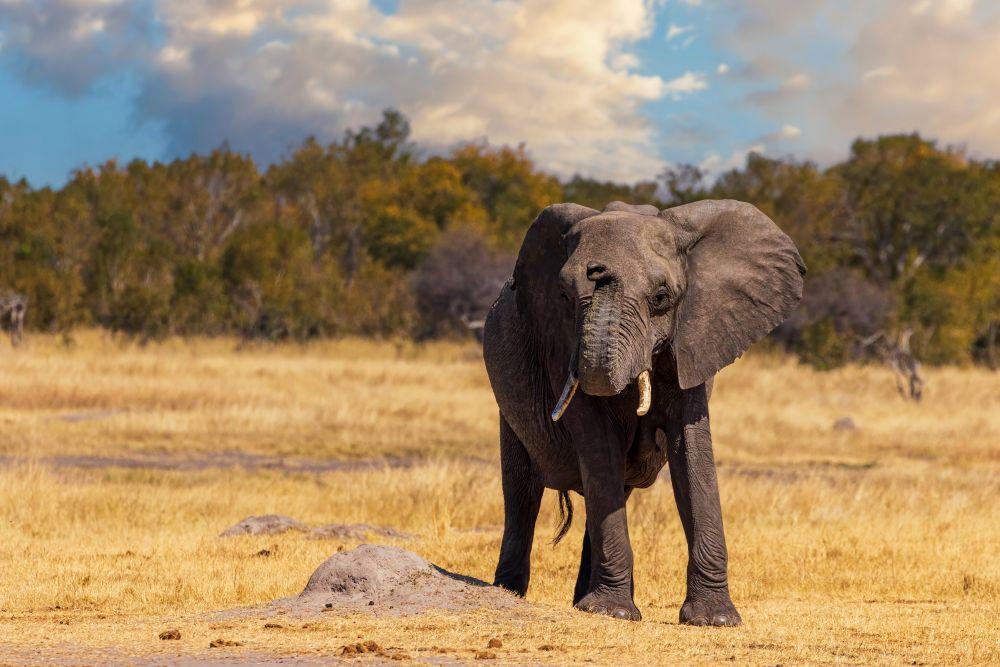
Relationship status: Emotionally complex
Love language: Lifelong bonds, just not always romantic ones
Elephants are some of the most surprising, as they may have the most poignant relationships of all, but they do not mate for life. Males will roam between herds and compete for females during brief periods of fertility, while females may mate with multiple males over their lifetime.
For elephants, their relationships centre around family and community rather than romance. Females will stay with their herds for decades, showing empathy, grief, and connection that really register with us as humans.
Elephants remind us that love isn’t only about partners. Sometimes it’s about belonging!
Chimpanzees
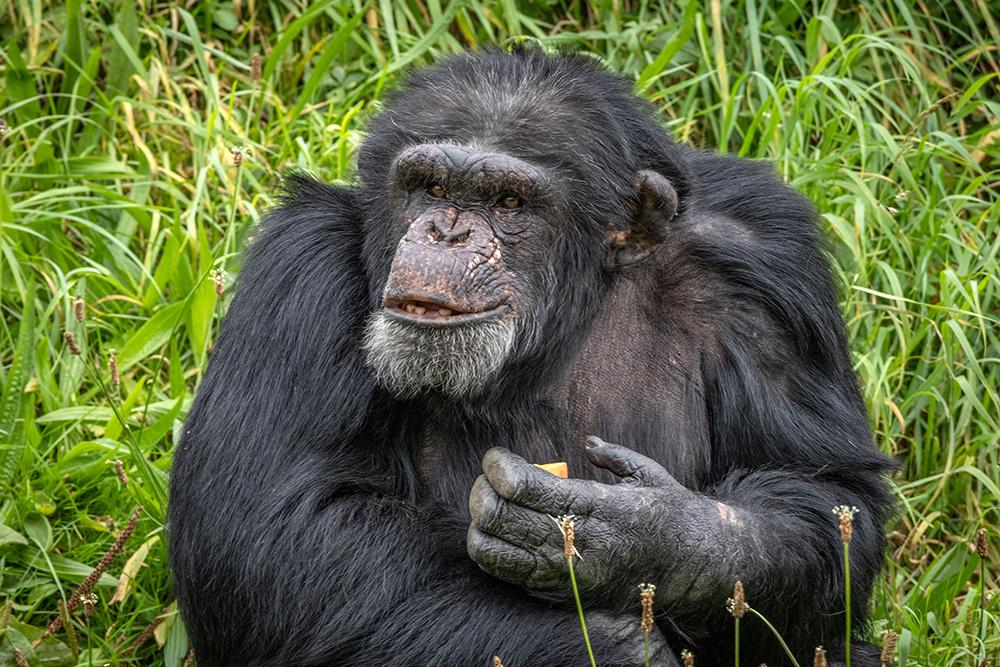
Relationship status: Casual and opportunistic
Love language: Politics, grooming, and occasional mating
When it comes to mating, chimpanzees don’t do monogamy. Both males and females are promiscuous animals, mating with multiple partners, although for slightly different reasons. For males, frequent mating helps spread their genes, while females often mate with several males to confuse paternity and reduce the risk of infanticide.
Mating isn’t tied to long-term pair bonds; it’s opportunistic, often linked to social status, alliances, and timing. Despite their lack of lifelong partners, chimpanzees maintain strong social bonds within the group, cooperating, grooming, and supporting each other in ways that ensure the pride.
Praying Mantises
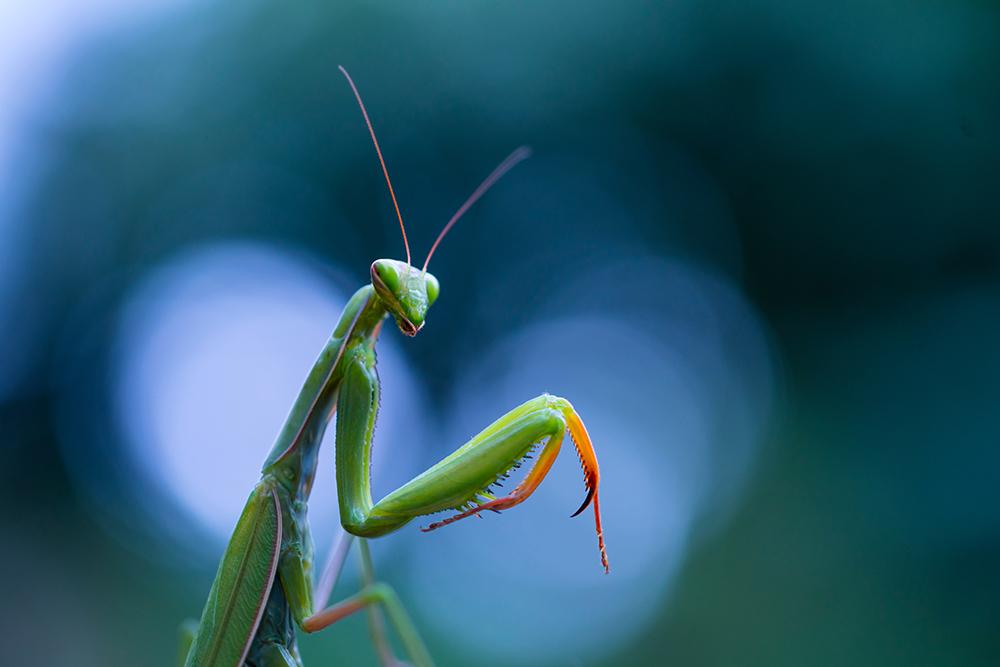
Relationship status: Extremely high risk
Love language: Fatal attraction
Praying mantises don’t mate for life, but it’s not for lack of commitment. In many species, males make the ultimate commitment or rather sacrifice, for their offspring, as they are literally eaten after breeding.
Mating is brief and lethal, with the male providing nutrition to the female and boosting the chances of his young surviving. In mantis terms, love is short, strategic, and deadly serious.
Love Lessons from the Wild
Animal pair bonds that mate for life show us how cooperation can be a survival tool. Others keep it casual, proving that adaptability matters just as much. Then there are species like elephants that remind us that love isn't always romantic; it can be communal, familial, and rooted in friendship.
The wild doesn’t do Valentine’s clichés. Love in nature is strategic, messy, fleeting, and sometimes eerily familiar to the dating scene in 2026.
This Valentine’s Day, whether you’re in your albatross phase, your frog era, or just figuring out your own way, remember nature experiments with every version of "love", just like humans do. None of it is perfect, yet all of it makes sense, and perhaps the real lesson is that love, in any form, works best when it fits the life you’re living.