The following review was written by volunteer Elaine, who joined The Great Elephant Project in Sri Lanka in September 2025.
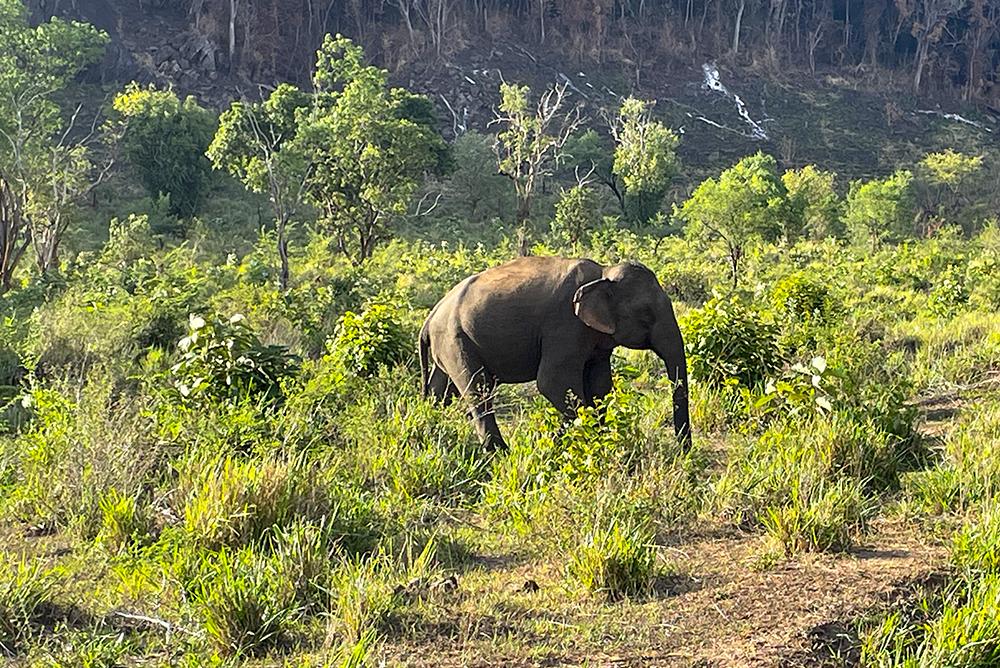
Intrigued by elephants in their natural habitat, and with no prior exposure to these magnificent creatures, I chose to join The Great Elephant Project for two main reasons. Firstly, I wanted to support real solutions to the growing issue of human-elephant conflict in Sri Lanka, where elephants and local communities increasingly compete for space and resources. Secondly, I was excited by the chance to witness wild elephants roaming freely with minimal human interference, an ethical approach to elephant conservation volunteering.
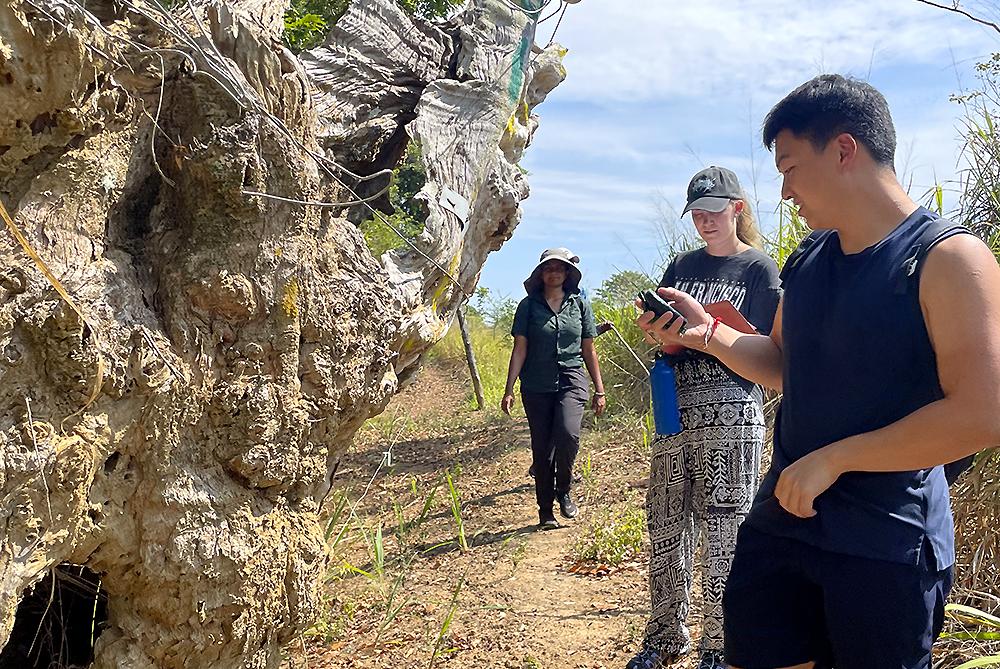
With only one week on the project, I knew my time would be limited, but even within those few days, I learned and experienced so much. It was incredible to see firsthand how Sri Lanka’s wildlife conservation teams collect detailed data from the ecosystem and apply it to protecting elephants and habitats.
Each afternoon, we observed and recorded the behaviour of wild elephants, but the work extended far beyond that. During the week, we:
- Surveyed bird nests to understand how wildlife coexists with nearby communities
- Monitored butterfly populations, since abundant butterflies indicate a healthy habitat
- Checked fencing systems designed to reduce conflict between elephants and farmers
- Tracked pug prints (wild cats) in muddy areas after rainfall
- Spoke with local farmers to document crop destruction caused by hungry elephants
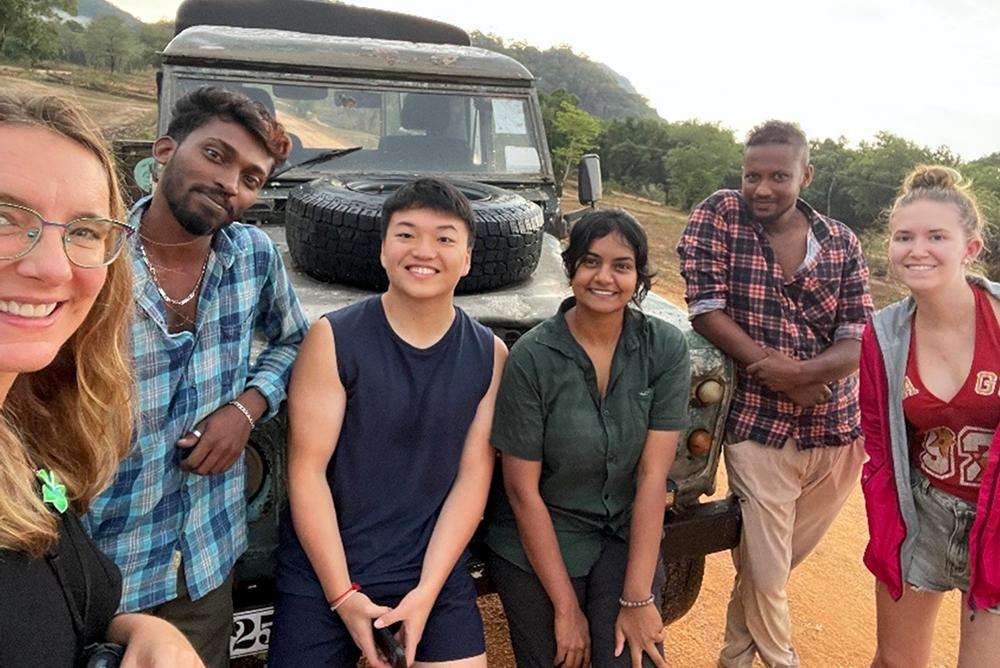
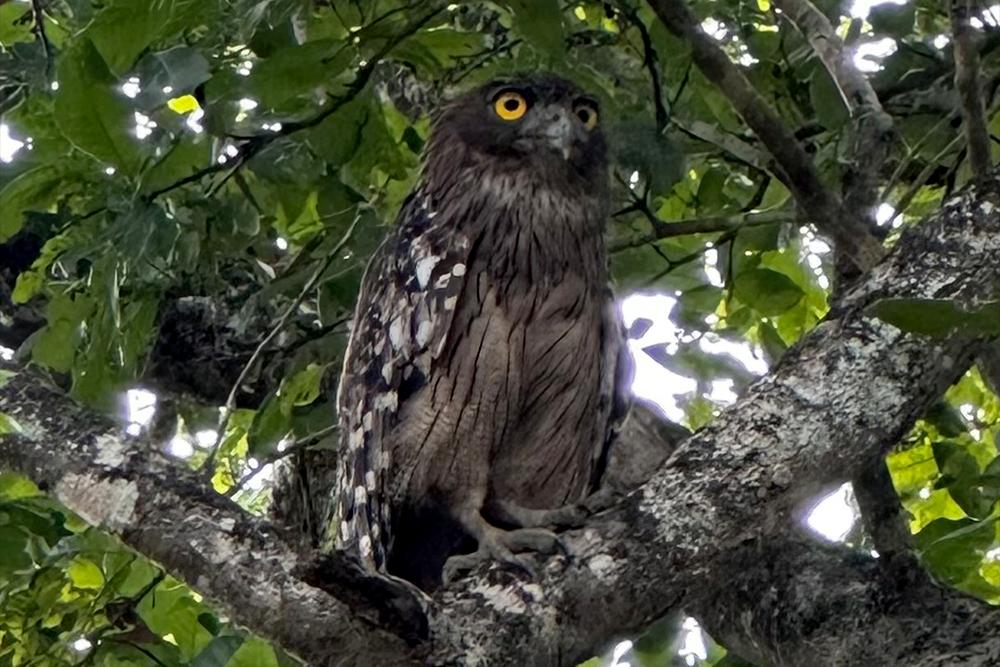
We also spent one afternoon on a safari in Wasgamuwa National Park, simply observing the rich diversity of wildlife living alongside the elephants.
These excursions taught me just how interconnected nature is with human life. Even though we never actually saw the elusive wild cats, we found their paw prints in the mud and took measurements to identify the type and gender of each animal. I was amazed by our guide and driver’s ability to recognise every butterfly, bird, and creature we encountered.
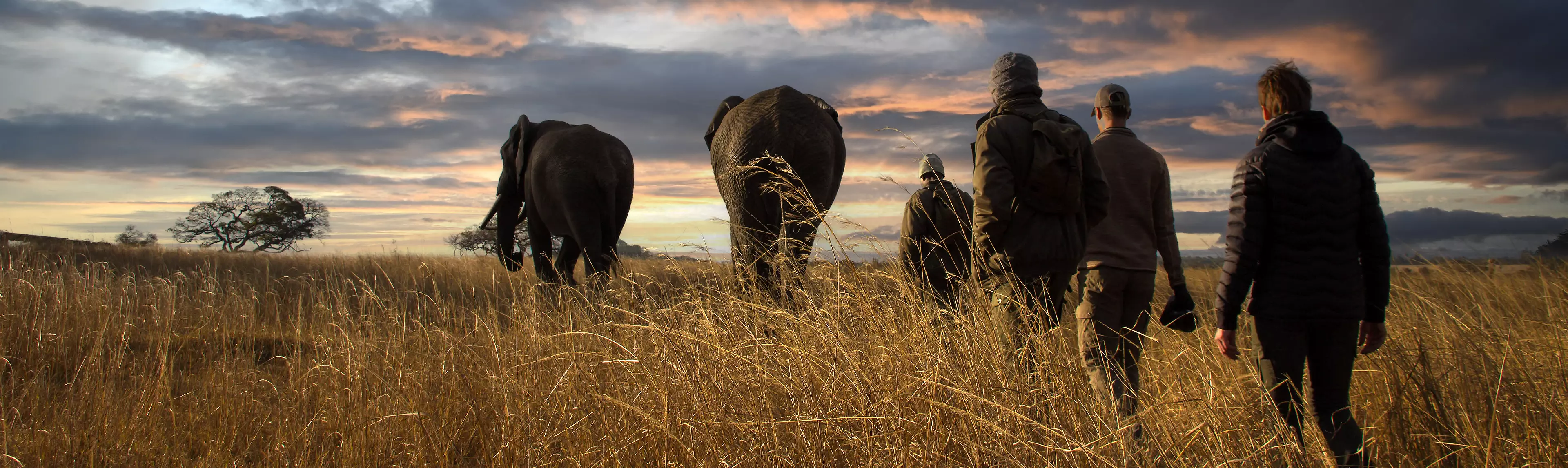
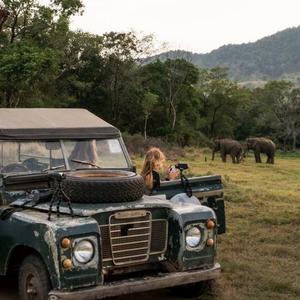
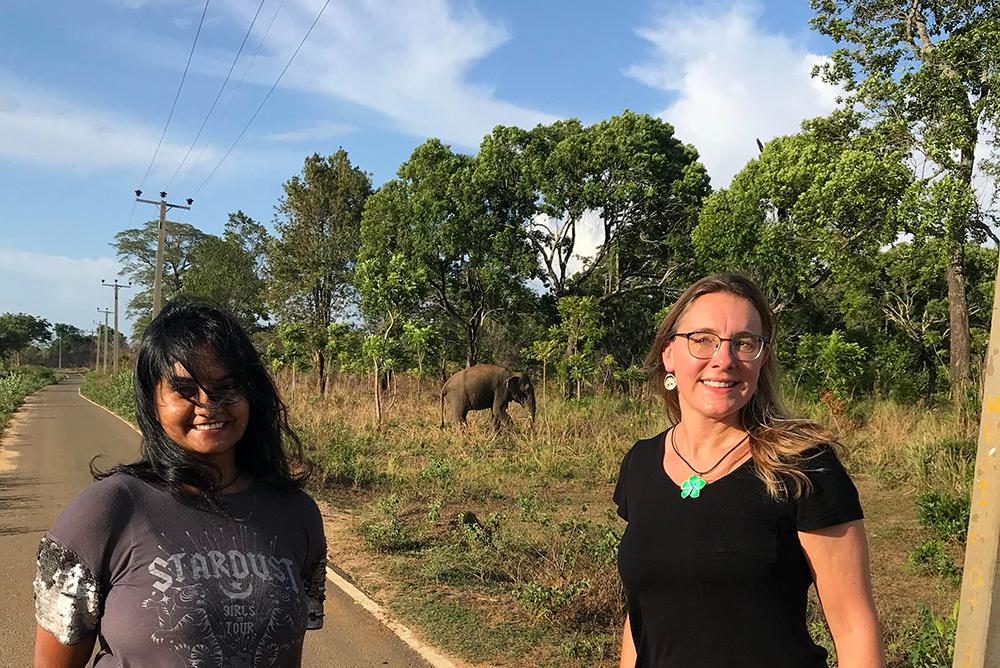
Every afternoon, we headed out by jeep in search of elephants. Some days we didn’t see any at all, which made the moments we did encounter them even more thrilling. Sometimes they were distant silhouettes among the trees, while other times they came close enough for us to record their individual features and behaviours.
In terms of accommodation, I chose to stay in a nearby hotel rather than the volunteer house, and it was definitely the right option for me. The volunteer house had everything you might need, including Wi-Fi, but the hotel offered constant air conditioning and sliding doors that kept insects and critters out. The food, cooked and served by local people, was delicious and comforting: rice, vegetables, fresh fruit, coconut pancakes, curry, and more. After long afternoons in the field, our appetites were always strong.
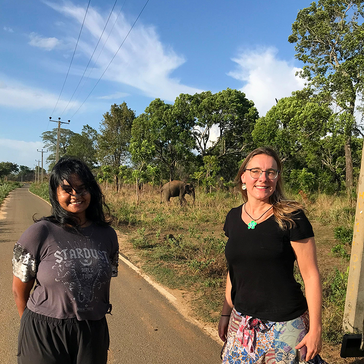
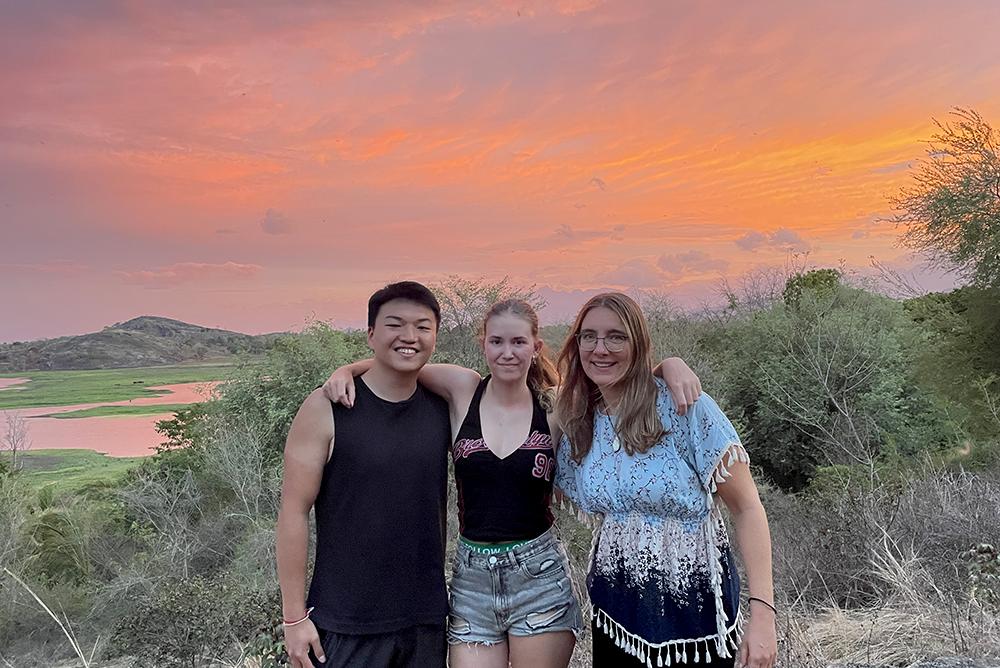
I also met two other volunteers who were just as enthusiastic about learning as I was. Our guide and translator, Ravina, constantly had a smile on her face and shared so much knowledge about wildlife, local culture, and the conservation work happening through the project.
Although one week was enough to get a glimpse into what elephant conservation volunteering in Sri Lanka looks like, I would absolutely recommend staying for two weeks or more to fully immerse yourself in the experience.
I’m incredibly grateful for my time with The Great Elephant Project, and I hope others give themselves the chance to experience the wonder of ethical wildlife conservation and see wild elephants thrive in their natural environment.