If conservation had quick fixes, many of the world's endangered species wouldn't be endangered. Conservation is built on patience; it takes years to restore habitats, decades to monitor wildlife populations and sometimes generations to see the results of today's decisions.
As with anything worth doing, there are setbacks, unexpected challenges, and plenty of work that happens quietly behind the scenes, far away from the wildlife documentaries and headline-making success stories. So, it’s understandable to wonder: can a few weeks of conservation volunteering really make a difference?
Jump to:
After all, conservation volunteering projects continue long after you pack your bags and fly home. But perhaps the better question isn't whether one volunteer can change conservation. It's how conservation succeeds in the first place.
The impact of conservation volunteering is often found in the bigger picture; in the data collected, the habitats restored, the animals cared for, and the people who continue the work long after you leave.
A Single Data Point Tells You Little
Watching and collecting data on a species for one afternoon is fascinating; it’s why people go on wildlife holidays and tours, but that observation on its own doesn’t tell you very much. However, repeating those observations every day for 2, 5 or 10 years is where patterns start to emerge.
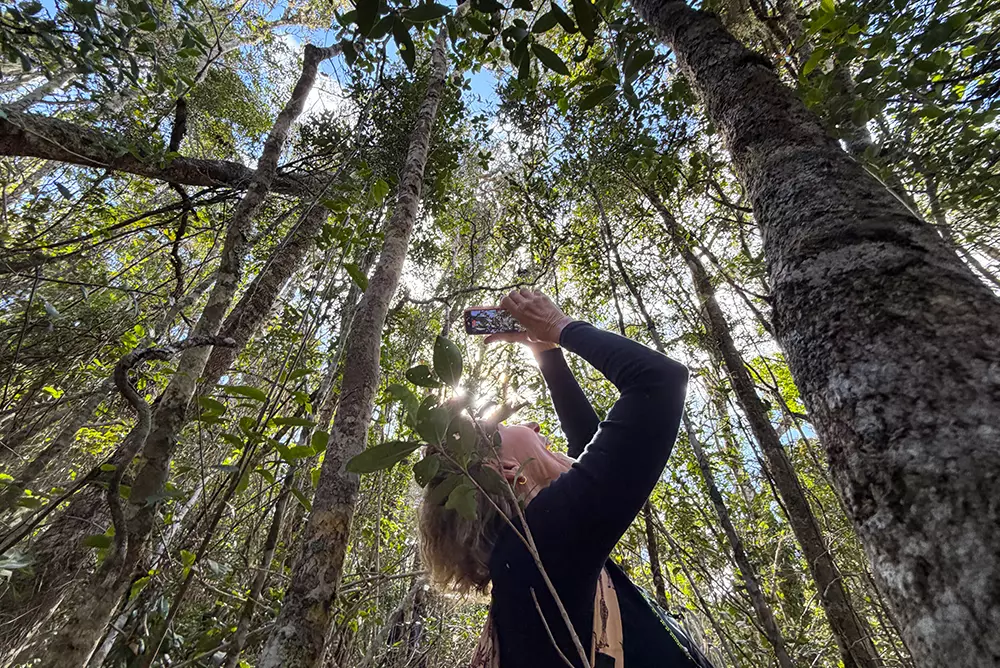
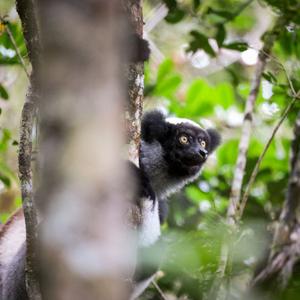
"Volunteers contribute directly to our research by helping collect behavioural data on lemurs. By recording feeding habits, activity patterns and behaviour, they support research that improves our understanding of each species' ecological needs. This knowledge helps guide restoration efforts and allows us to prioritise planting the native tree species that are most important for the lemurs' future."
- Claudia Borrell, Volunteer Coordinator: Lemur Research Project in Madagascar
Researchers can see whether populations are growing or declining, how animals use their habitat, when they breed and how they respond to changes in their environment. Those long-term datasets become one of conservation's most valuable tools because they help projects make informed decisions rather than educated guesses.
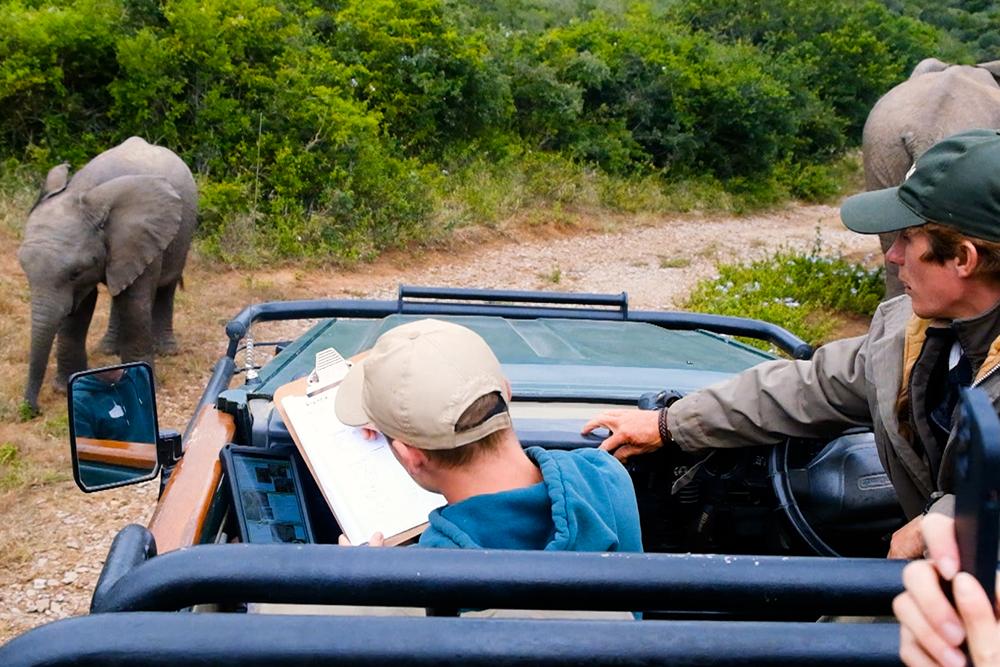
This is why volunteers are often involved in monitoring wildlife, recording behaviours and collecting field data. Every observation becomes another piece of a much larger puzzle. While one survey won't transform conservation overnight, thousands of surveys carried out over months and years create an incredibly valuable picture of the challenges wildlife faces.
Sometimes Conservation Looks Like Painting a Fence
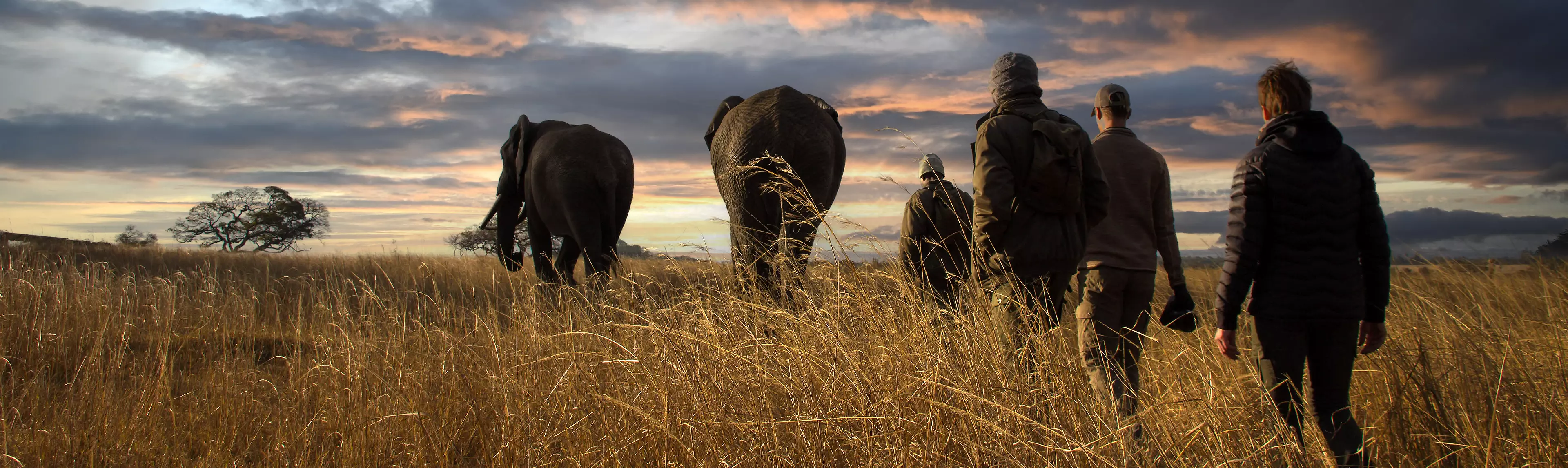
When people picture wildlife conservation, they often imagine tracking elephants across the savannah or releasing sloths back into the wild. While this does happen, the reality can be a little less glamorous in some places.
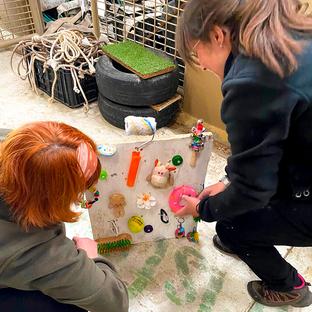
Some days conservation means repairing an enclosure before the rainy season arrives. It might involve planting native vegetation, building enrichment for rescued animals or maintaining research equipment that's seen better days. There are even days when the most important job is simply cleaning, organising or carrying supplies. These are essential tasks that form the backbone of conservation work.
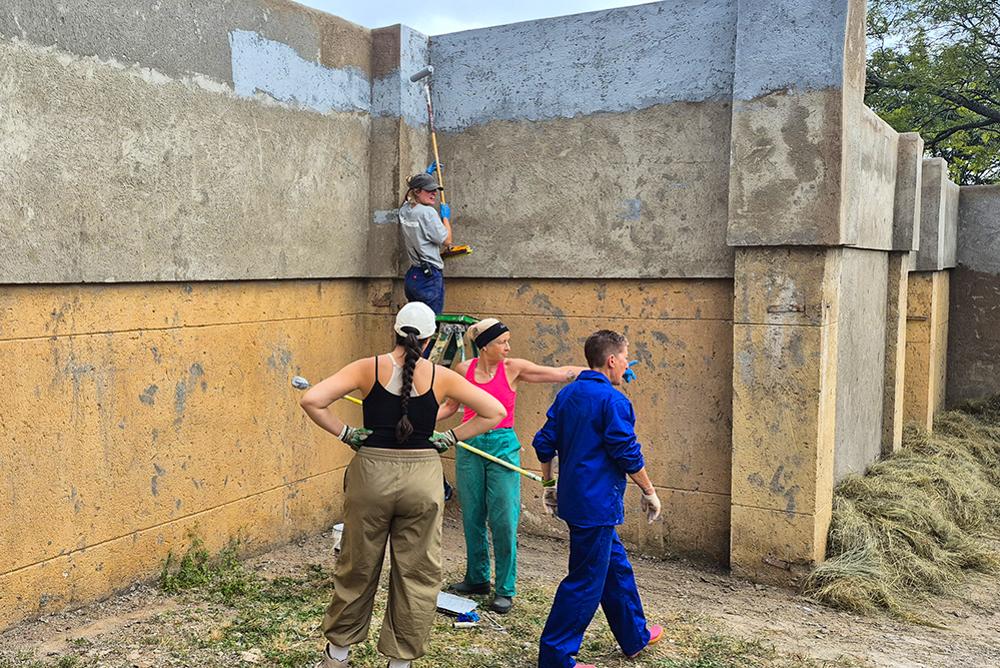
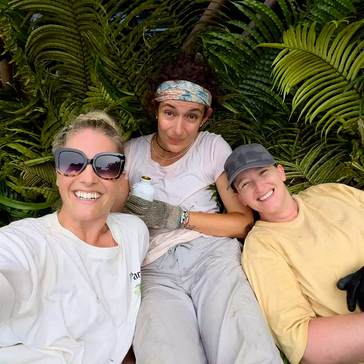
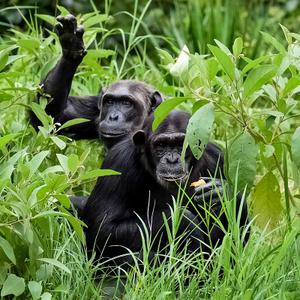
"At Chimp Eden, volunteers have helped prepare a brand-new enclosure for rescued chimpanzees. From clearing rubble and painting walls to building climbing platforms, creating murals and planting foliage, their support massively sped up the process. It would have taken much longer to release these chimpanzees if it hadn't been for volunteers working tirelessly to get everything done."
- Jade Gilchrist, Volunteer Coordinator: Chimp Eden - The Jane Goodall Institute
A climbing structure built today may encourage natural behaviours for years to come. A repaired enclosure helps create a safer environment for animals and staff. A freshly planted area of native vegetation could eventually provide food and shelter for local wildlife.
Conservation depends just as much on these practical jobs as it does on the more exciting moments!
More Hands Mean More Conservation
Every conservation project has a list of jobs that always seems longer than the day itself. Staff may need to monitor wildlife, care for rescued animals, maintain facilities, analyse research, work with local communities and respond to unexpected challenges, often all within the same week.
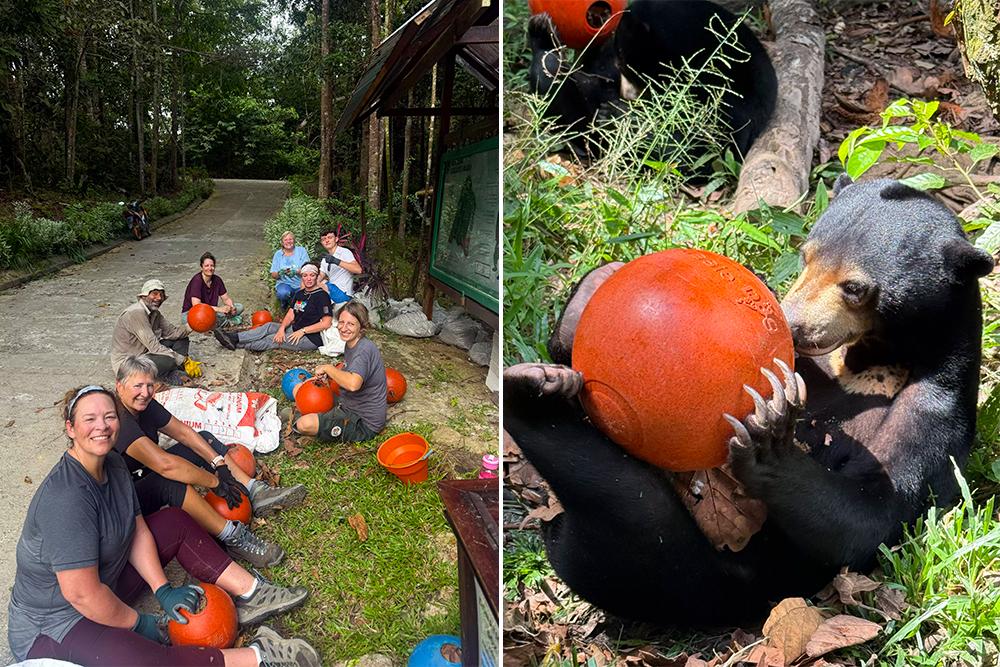
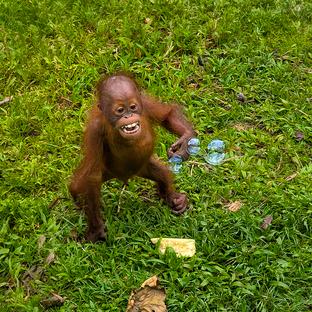
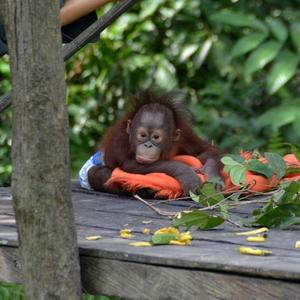
"During my career so far on multiple projects, I can safely say that I have personally seen significant positive, impactful changes that can be directly attributed to volunteer contributions. Starting on a more personal level, on our animal sanctuary projects, our local teams often give feedback on the impacts of enrichment on the improvement of mental health of specific animals but also on the whole. We make daily enrichments that really give the animals ‘something to look forward to’ every day, which, without the volunteers, the manpower and extra funding they bring, these activities would be extremely difficult to maintain by the charities alone."
- Kate Helliwell, Volunteer Coordinator: Samboja Lestari Orangutan Volunteer Project
Volunteers don't replace the expertise of veterinarians, researchers or animal care teams. Instead, they provide something equally valuable: time. By helping with daily tasks, volunteers free up experienced staff to focus on specialist work while ensuring important jobs don't get pushed aside.
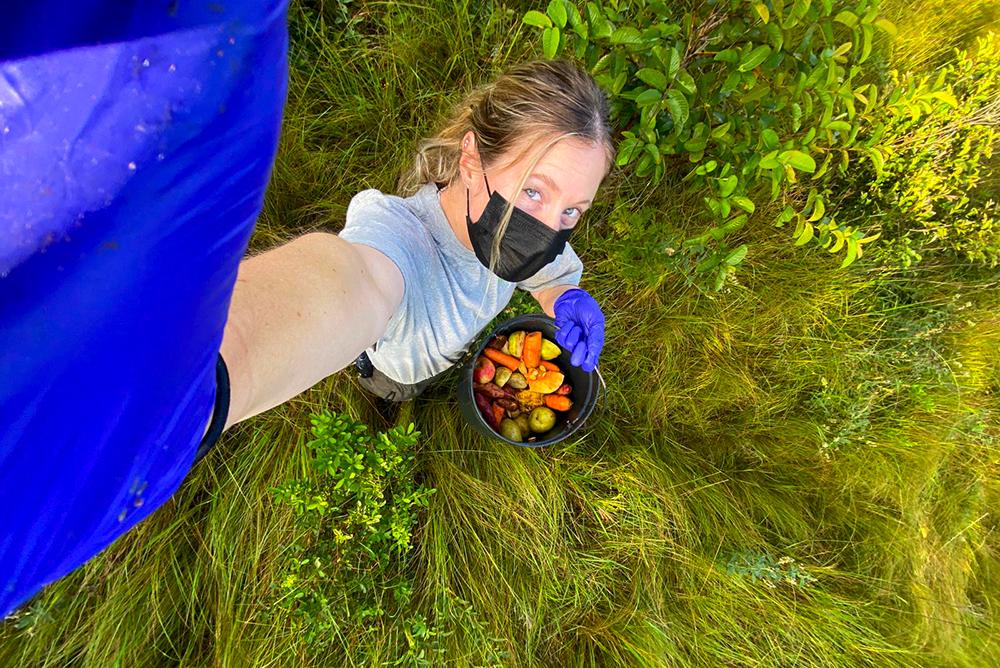
Sometimes that means an extra pair of hands preparing food for rescued wildlife. Other times, it means more eyes scanning the bush during a wildlife survey or additional people helping restore degraded habitat. Conservation works best when everyone contributes what they can.
Wildlife Can't Thrive Without People
It's impossible to talk about conservation without talking about communities who live alongside wildlife. Many of the challenges facing wildlife today, from habitat loss and the illegal wildlife trade to human-wildlife conflict, are closely linked to people. Protecting endangered species isn't simply about creating protected areas or rescuing animals. It's also about supporting the communities who live alongside them.
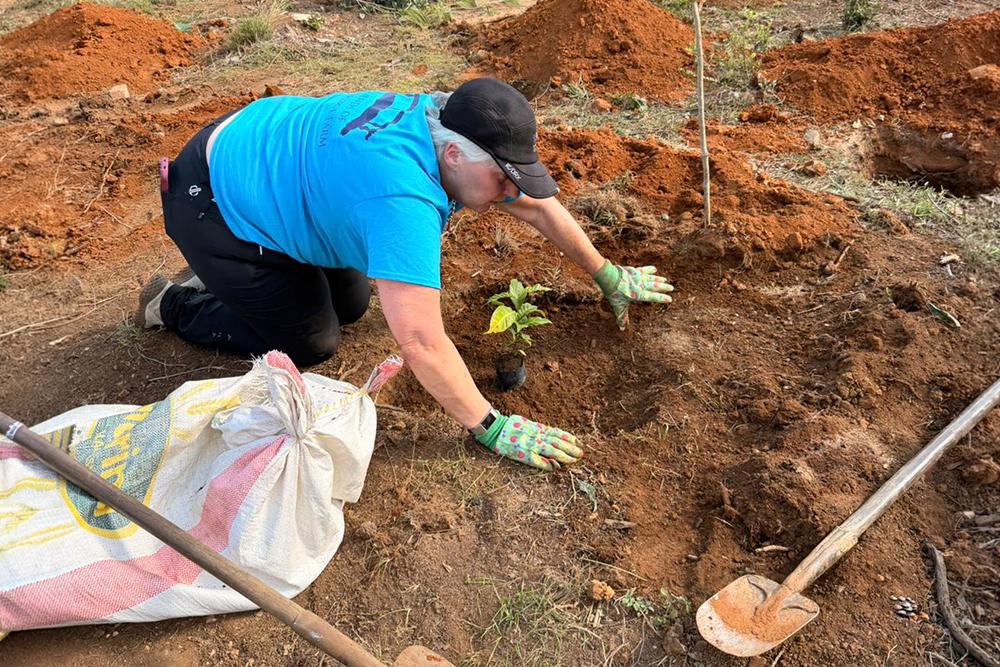
"Volunteers have also helped plant coffee, creating a sustainable source of income for Wildlife Madagascar and local communities. Supporting alternative livelihoods helps reduce pressure on the forest while encouraging conservation to benefit both people and wildlife."
- Claudia Borrell, Volunteer Coordinator: Lemur Research Project in Madagascar
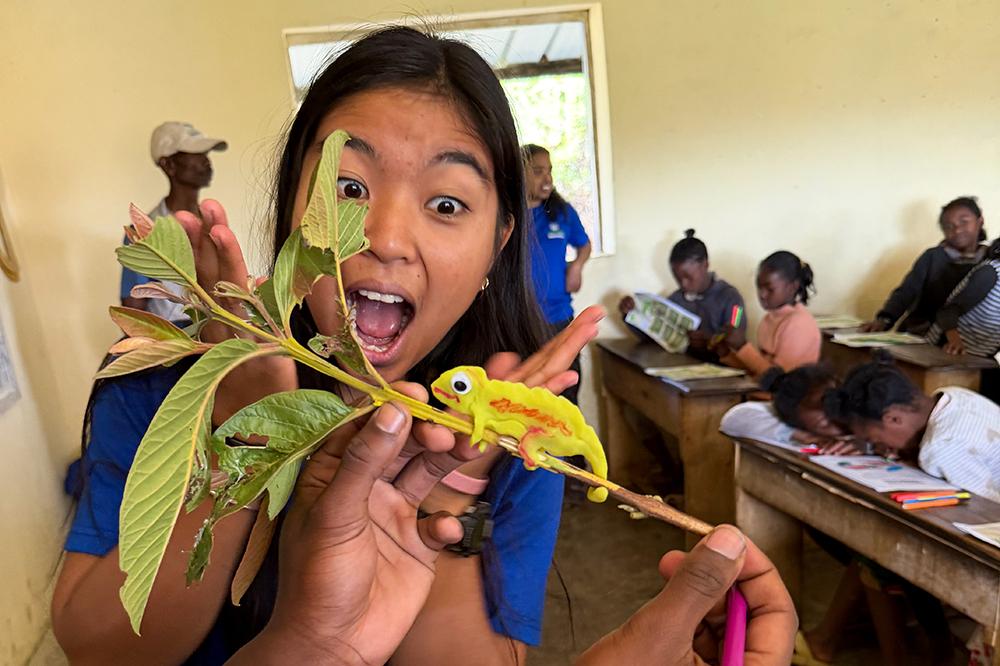
Many of our conservation partners work with local schools, employ people from nearby villages and promote sustainable livelihoods that reduce pressure on wildlife and their habitats. These initiatives help create a future where both people and wildlife can thrive together.
When volunteers join these projects, they're supporting organisations that recognise conservation isn't just about saving animals; it's about creating lasting solutions that benefit entire ecosystems.
The Story Continues Without You
One of the hardest things about leaving a project is knowing you won't always see the ending. You probably won't be there when the research you've contributed to helps shape a new conservation strategy. You may never hear about the rescued animal that eventually returns to the wild or the habitat that flourishes years after restoration work began. That's the nature of conservation, but what a thing to be a part of!
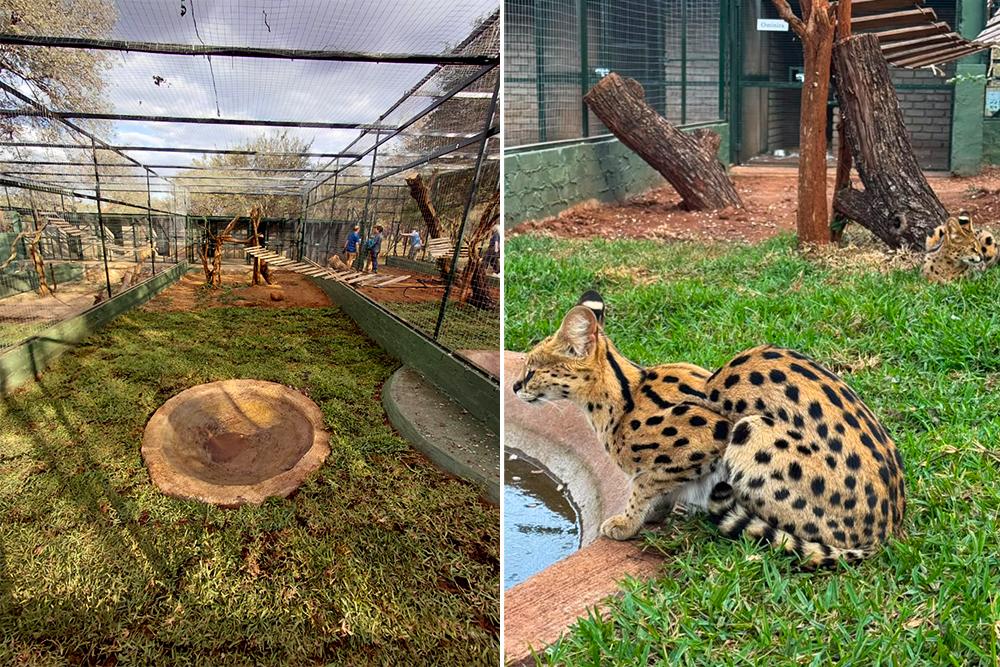
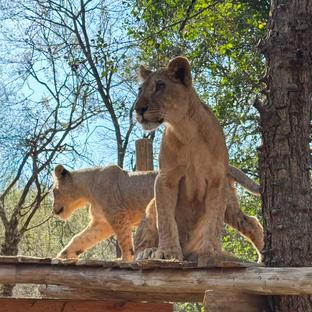
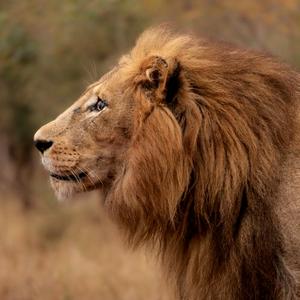
"The enclosure volunteers build today will house rescued animals for years to come. The water trough they repair will provide water long after they've gone home. Their contribution becomes part of the sanctuary itself, creating a legacy that continues benefiting wildlife into the future."
- Didi Schoeman, Managing Director: SanWild Sanctuary & Reserve
Every volunteer arrives in the middle of a story that began long before them, and leaves while that story is still unfolding. The work you contribute becomes part of a much larger timeline. Future volunteers will continue the monitoring you've helped with. Staff will build on the improvements you've made. New research will answer questions that today's data has only just begun to uncover.
Your contribution is a brick in the wall, a stepping stone, a cog in the machine, and all of the fun idioms that I’ve overused in this article.
The Impact Travels Home Too
While wildlife conservation projects continue without you, part of the experience comes home with you too. Many volunteers leave with a greater understanding of the challenges wildlife faces and a new appreciation for the people working tirelessly to protect it. They become advocates for ethical wildlife tourism, support conservation organisations, make more sustainable choices and encourage others to see wildlife differently.
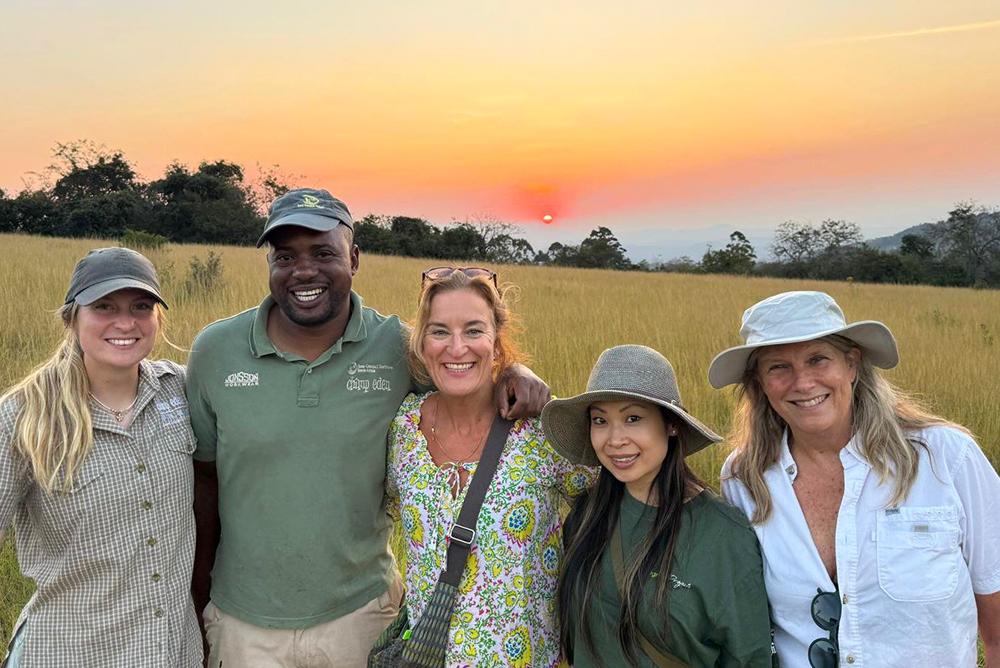
"By sharing their experience, volunteers help people understand why sanctuaries exist, why some animals can never return to the wild and why protecting endangered species is so important."
- Jade Gilchrist, Volunteer Coordinator: Chimp Eden - The Jane Goodall Institute
That ripple effect is difficult to measure, but it's no less important. Every conversation about responsible travel, every recommendation to a friend and every decision to support conservation helps build a wider community of people who care about protecting the natural world. Maybe that's the real long-term impact of volunteering.
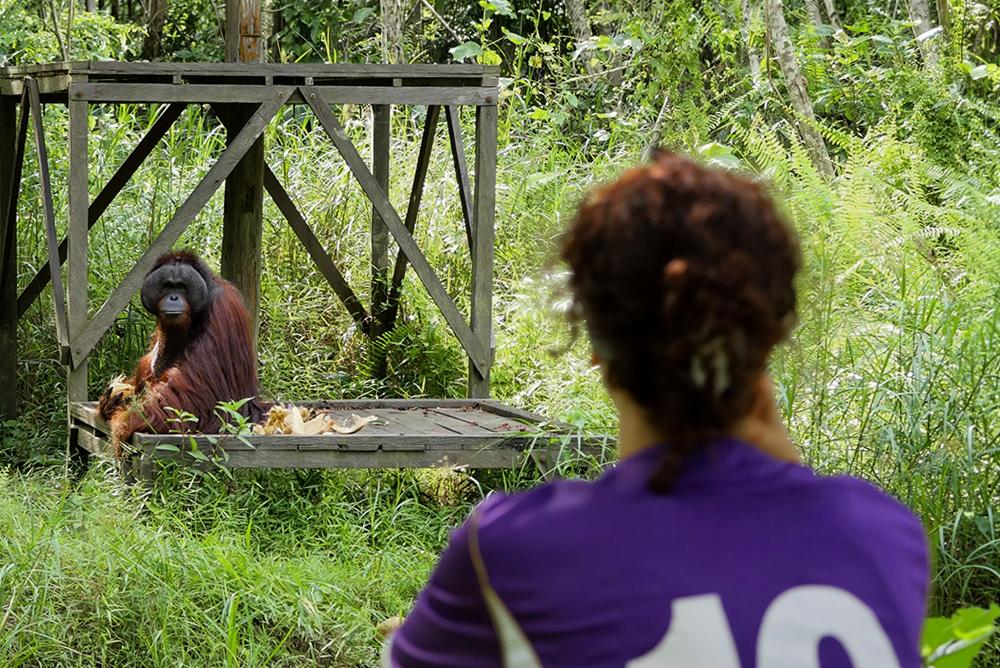
"Volunteers return home full of stories and personal connections. Those experiences make it much easier to inspire friends, family and colleagues to care about conservation too."
- Kate Helliwell, Volunteer Coordinator: Samboja Lestari Orangutan Volunteer Project
It's not about one person changing everything, but about thousands of people coming together to protect wildlife and carry its future forward. Conservation has never been about one defining moment; it's about showing up, doing the work and leaving things a little better than you found them, so that someone else can continue where you left off.