We're all familiar with the labels: Vulnerable, Endangered, Critically Endangered. But what do they actually mean? How do animals arrive at these categorisations? And who decides where the line falls between each?
If, like me, you're familiar with the IUCN Red List but are always keen to learn more and want to make it your entire personality for the next few weeks, then you're in the right place! If you know nothing about it at all, come along for the ride as I deep dive into how the IUCN Red List works, what each category means, why it matters for conservation, and why it's useful to understand as a conservation volunteer.
Science should be accessible, so I've learned a lot of the process and jargon so you don't have to!
Jump to:
- What is the IUCN Red List?
- How do IUCN Red List assessments work?
- Can a species change category?
- Does an IUCN category mean a species is legally protected?
- What are the main threats to endangered species?
- What is the IUCN Green Status?
- Why does the IUCN Red List matter for conservation volunteering?
- The IUCN Red List in a nutshell
What is the IUCN Red List?
The IUCN Red List of Threatened Species is a global system for assessing species' extinction risk. It covers animals, plants, and fungi worldwide and provides a standardised way to assess how likely a species is to become extinct.
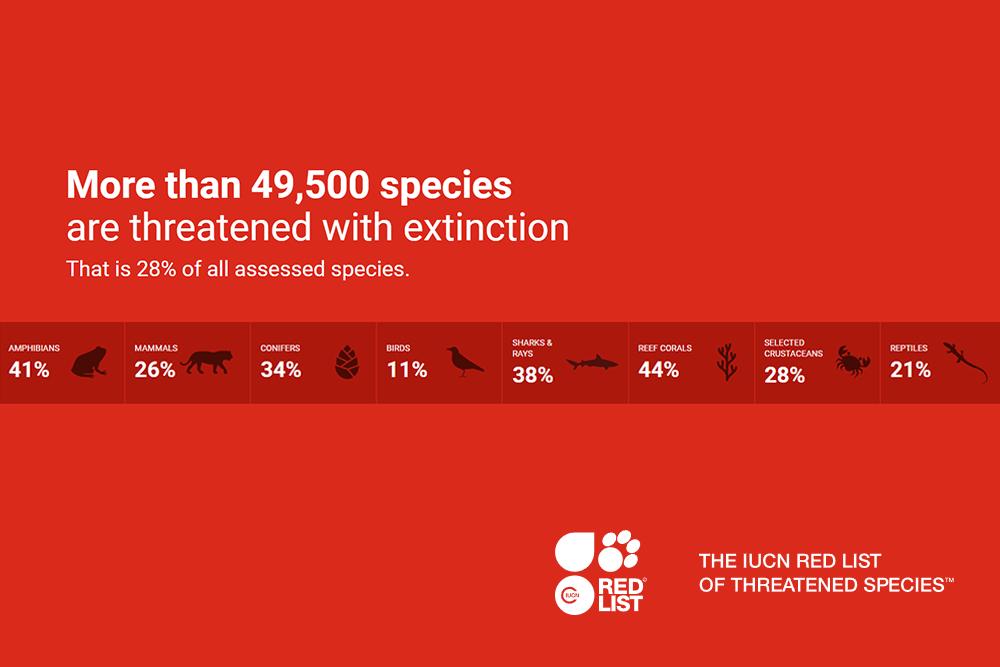
The IUCN, or International Union for Conservation of Nature, is a global organisation focused on nature conservation and biodiversity. It brings together scientists, governments, conservation organisations, and other experts to assess the state of nature and support conservation efforts. The Red List is one of its best-known resources.
A species can be placed into one of nine IUCN Red List categories, ranging from Not Evaluated to Extinct. Three of these categories are formally considered threatened: Vulnerable, Endangered, and Critically Endangered.
The Red List is more than a record of threatened species. By using the same criteria across species and regions, it gives scientists, conservationists and governments a common way to understand extinction risk and track how it changes over time.
The assessment process is far more nuanced than you might realise, with evidence gathering, scientific criteria, expert review, and publication all forming part of the process.
How do IUCN Red List assessments work?
1. Experts collect the evidence
So, who actually works out where different species fall on the scale?
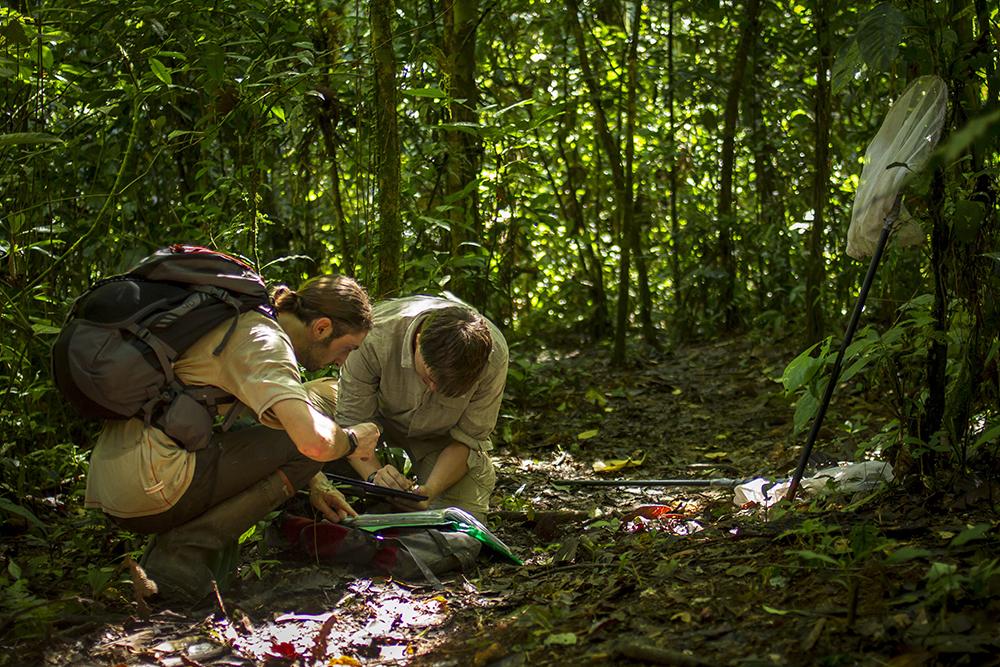
Scientists and species experts, including researchers and conservation professionals, gather information about a species across its entire global range. They consider how many individuals remain, whether the population is increasing or decreasing, how quickly it has declined, where the species lives, how much habitat it has lost, whether populations have become fragmented (broken up), and what threats affect it.
The evidence can come from scientific studies, conservation reports, expert knowledge, Indigenous knowledge, monitoring programmes, and citizen science. The aim is to build as complete a picture as possible before moving on to the next stage.
2. The evidence is assessed against five criteria
This is where things get particularly interesting. The IUCN uses five scientific criteria, each with specific thresholds, to assess extinction risk. Assessors aren't deciding that a species "feels" or "looks" endangered; they are testing the evidence against defined measures.
A. Population reduction: Has the population declined by a specified amount over a defined period?
B. Geographic range: Is the species' range very small, fragmented, shrinking, or otherwise associated with a high risk of extinction?
C. Small and declining population: Is the population already small and continuing to decline?
D. Very small or restricted population: Is the population extremely small, or is the species restricted to such a limited area that it could be vulnerable to rapid decline?
E. Probability of extinction: Do mathematical or statistical models (known as quantitative models) estimate how likely the species is to become extinct within a specified period?
A species only needs to meet the required threshold under one of these criteria to qualify for a threatened category, provided the relevant conditions are met.
That is why no single population size or percentage decline automatically makes a species vulnerable, endangered, or critically endangered. A species might have millions of individuals but be declining rapidly, while another might have a much smaller population that is stable. The assessment considers the bigger picture, including population size, trends, distribution, habitat, and threats.
3. The species is assigned a category
Once the evidence has been assessed against the relevant criteria, the species is assigned an IUCN Red List category.
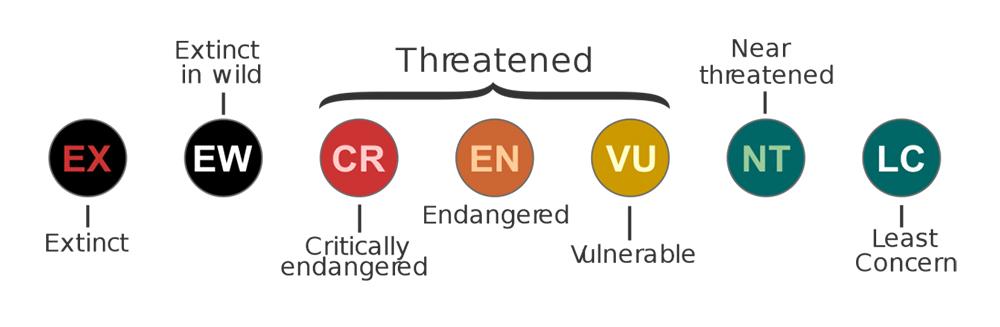
| Category | What it means |
| Not Evaluated | The species has not yet been assessed against the Red List criteria. |
| Data Deficient | There is not enough reliable information to determine its extinction risk. |
| Least Concern | The species does not currently meet the criteria for a threatened category. |
| Near Threatened | The species is close to meeting the criteria for a threatened category. |
| Vulnerable | The species faces a high risk of extinction in the wild. |
| Endangered | The species faces a very high risk of extinction in the wild. |
| Critically Endangered | The species faces an extremely high risk of extinction in the wild. |
| Extinct in the Wild | The species survives only in captivity, cultivation, or outside its natural range. |
| Extinct | There is no reasonable doubt that the last individual has died. |
As we've already seen, population size alone does not tell us how threatened a species is.
Take the black rhino and Iberian lynx, for example. The black rhino is classified as Critically Endangered, with an estimated 3,142 mature individuals, while the Iberian lynx was classified as Vulnerable with 648 mature individuals recorded in 2022.
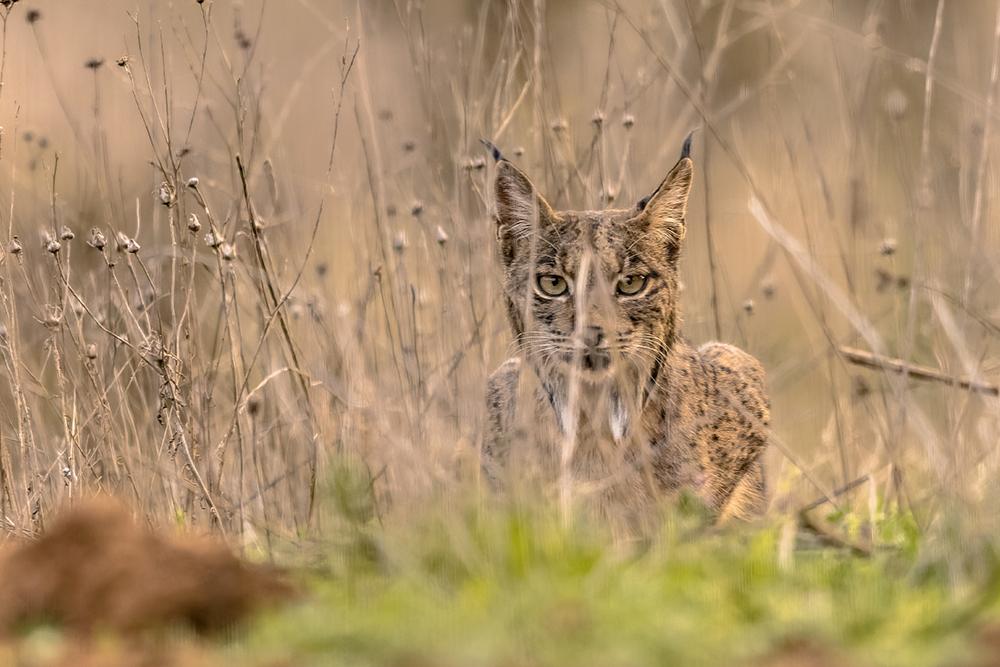
That might seem surprising, but this is exactly why the IUCN looks at more than just how many animals are left. Population trends, distribution, habitat, and the threats facing a species all factor into the assessment. A smaller population is not automatically more threatened, and a larger population is not automatically safer.
Even the labels themselves need a little context. Not Evaluated does not mean a species is safe; it means it has not yet been assessed. Data Deficient does not mean a species is doing well; it means there is not enough information to determine its extinction risk. Least Concern does not mean a species faces no threats at all; it means it does not currently meet the criteria for a threatened category.
The category gives us a useful snapshot, but there is much more happening beneath it.
4. The assessment is reviewed
Before an assessment makes its way onto the Red List, it is reviewed by another expert, who checks the evidence and how the criteria have been applied.
The IUCN Red List Unit then carries out another check to make sure the assessment has been completed correctly and consistently before it is published.
5. The assessment is published
Once reviewed and checked, the assessment can be published on the IUCN Red List, where it can be used by experts, conservationists, and governments. (& people like me, who have a slightly unhealthy interest in wildlife conservation and like sounding smart.)
This is not the end of the story, though. Species can be reassessed when new information becomes available. New population data, a better understanding of threats, or evidence of recovery can all lead to a category change.
Can a species change category?
Yes. Sadly, we do see many species move further down the scale toward extinction, but that is not the only direction the Red List can take them. There have also been some incredible examples of species moving in the other direction, showing what can happen when conservation efforts begin to make a real difference.
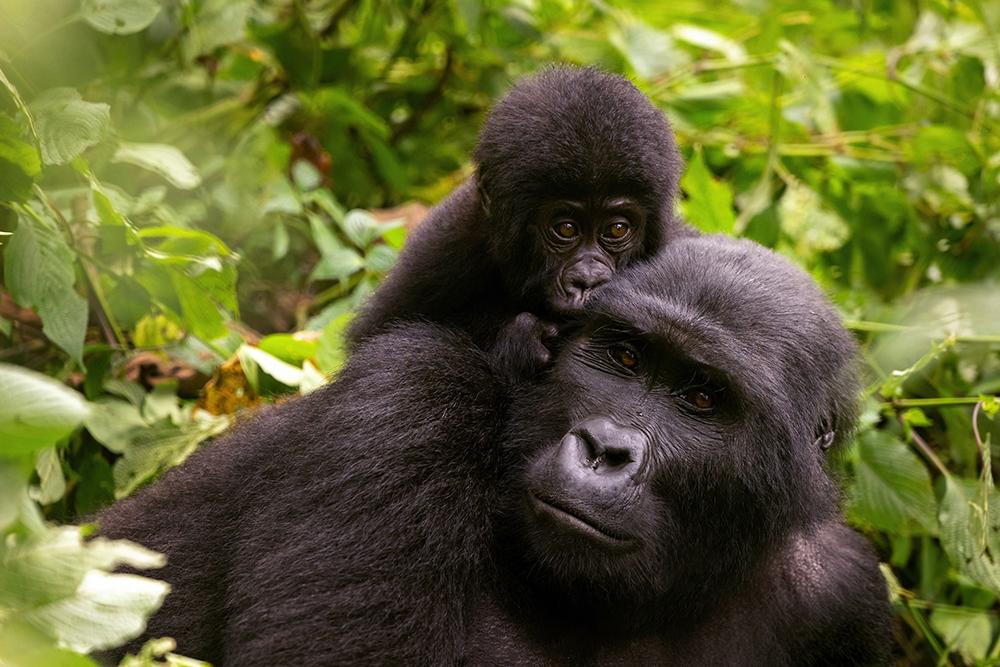
The mountain gorilla, for example. In 2018, it moved from Critically Endangered to Endangered after its population increased from around 680 individuals in 2008 to more than 1,000. Intensive conservation efforts, including anti-poaching measures, veterinary interventions, and improved monitoring, contributed to this recovery.
A category can also change because scientists have better information about a species, rather than because its actual situation has changed. So, when you see a species move from one category to another, it is always worth looking at what has changed and why.
Does an IUCN category mean a species is legally protected?
Not necessarily. The IUCN Red List assesses extinction risk. It does not automatically give a species legal protection. Whether a species is protected, what activities are restricted, and what laws apply depends on the country, region, or international agreement involved.
So, seeing that a species is critically endangered does not automatically mean that it is illegal to hunt, trade, or disturb it everywhere. Equally, a species can have legal protection without being listed as threatened on the Red List, such as bats and badgers in the UK.
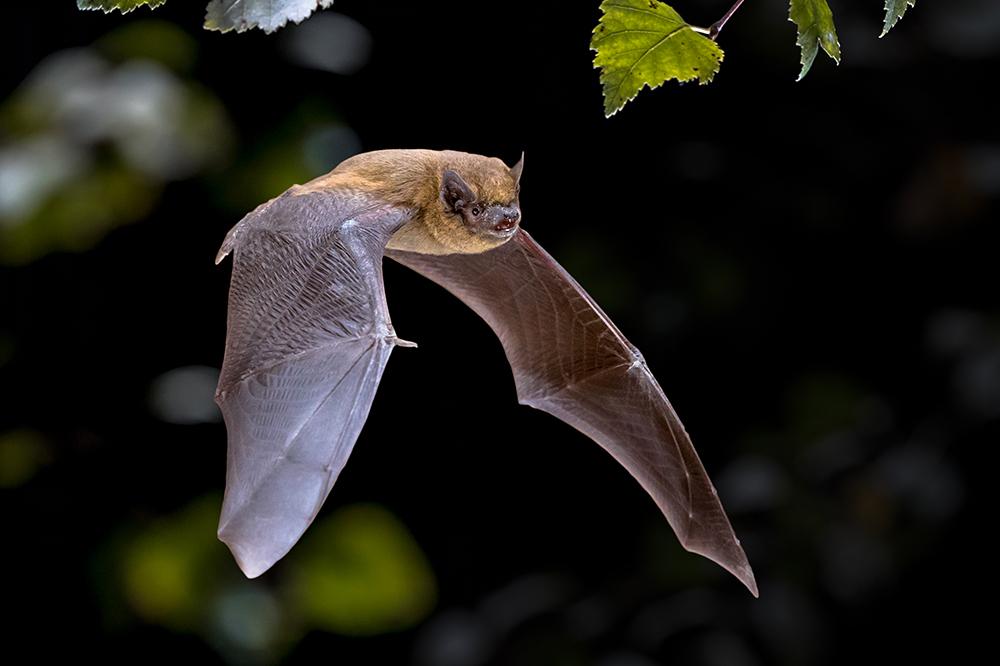
The Red List is about understanding extinction risk, whereas laws and regulations determine what people can and cannot legally do. So while the Red List may influence laws, it does not create them.
What are the main threats to endangered species?
Species rarely become threatened for just one reason.
The IUCN records a wide range of pressures, including habitat loss and degradation, hunting and fishing, pollution, invasive species, climate change, and development.
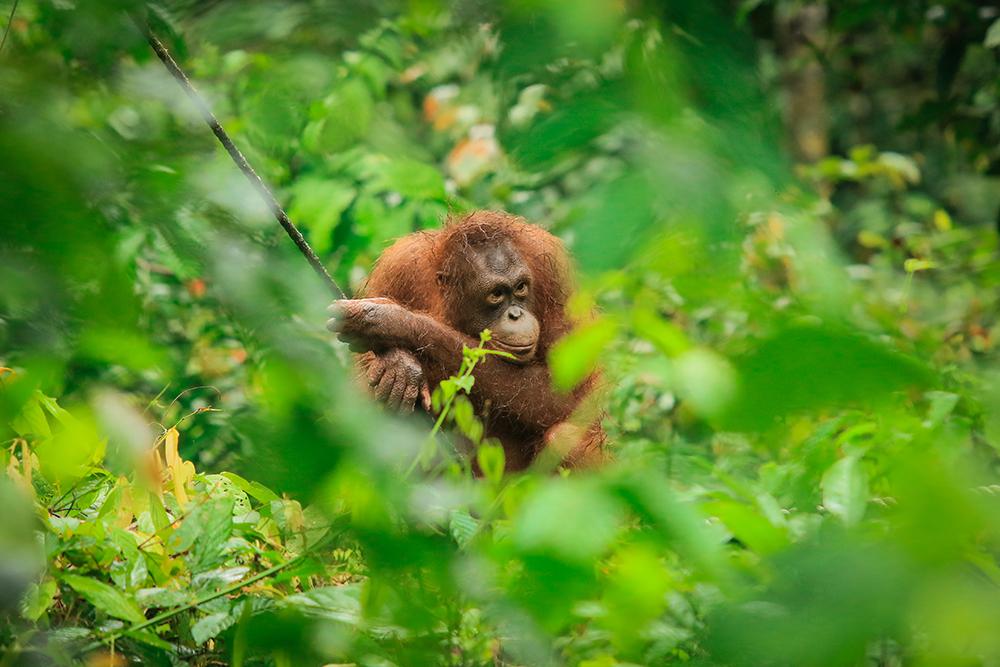
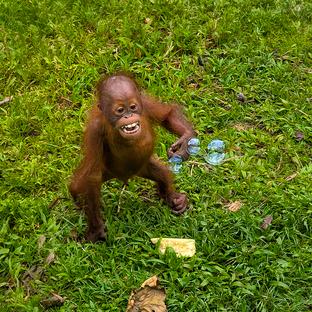
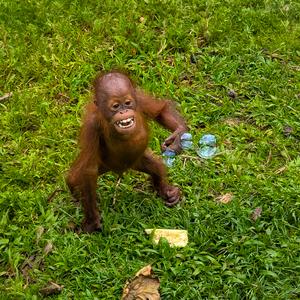
Often, these pressures overlap. A species might be losing habitat while also facing hunting pressure or a changing climate, making it harder for populations to recover. In some cases, a relatively small population can be hit by several threats at once, like the Bornean orangutan, making the situation much more complicated than a single cause of decline.
Understanding those threats matters because conservation is most useful when we know what problem we are actually trying to solve. Protecting habitat, reducing hunting pressure, monitoring populations, restoring ecosystems, and tackling invasive species all require different approaches.
What is the IUCN Green Status?
We have talked a lot about extinction risk, but what about species that are making progress? That is where the IUCN Green Status of Species, introduced in 2020, is helpful. While the Red List looks at a species’ risk of extinction, the Green Status looks at how much it has recovered compared with its historical state, and how much further recovery could be possible through conservation.
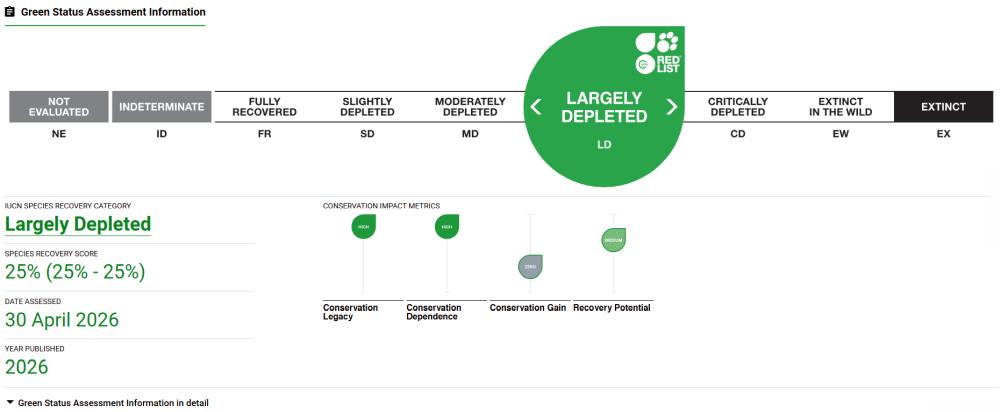
This is useful because a species does not have to be on the brink of extinction for conservation to matter. It might have started to recover, but still be a long way from its former population or range. The Green Status helps capture that progress, giving us a way to see not only where a species is now, but where it could go next.
So, while the Red List measures extinction risk, the Green Status looks at recovery. It gives us another way to look at conservation, and a reminder that things are not always doom and gloom.
Why does the IUCN Red List matter for conservation volunteering?
If you are interested in wildlife conservation volunteering, the Red List is useful context, but the category of an animal should never be the whole story.
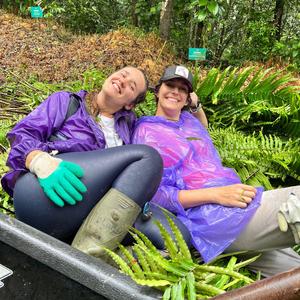
If you are considering a conservation project involving an endangered species, look beyond the label of the animal they are trying to protect. What is the project actually doing? Is it collecting useful data, monitoring populations, protecting habitat, supporting rehabilitation, reducing threats, or working with local communities?
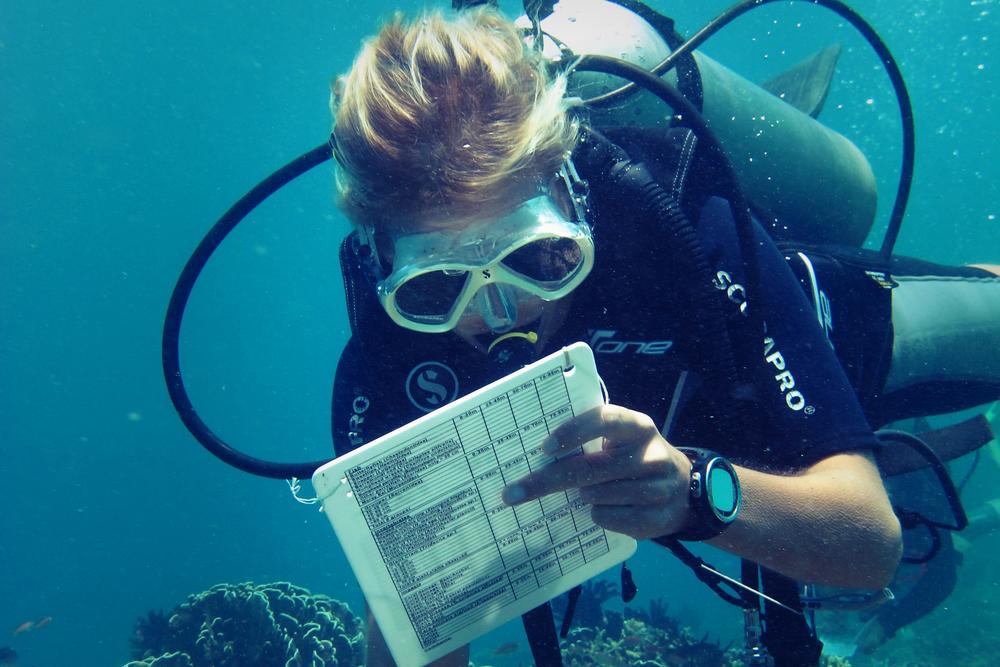
An endangered species on a project page is not, by itself, evidence that the work is making a meaningful contribution to its protection. Understanding the threats facing that species, and how the project addresses them, gives you a much clearer idea of where your time and effort fit into the wider conservation work.
It also gives you a better understanding of the work you are actually contributing to. You might be collecting population data, recording wildlife sightings, helping monitor a habitat, or supporting the care of rescued animals. Knowing why that work matters makes the experience far more meaningful.
The IUCN Red List in a nutshell
If you've made it this far, congratulations! I hope you found it as interesting to read as I did to write, and that the jargon now feels a little less intimidating.
The IUCN Red List gives us the category, but the assessment behind it gives us the context. It helps us understand not only how threatened a species is, but what is happening to its population, habitat, and future. That's what makes it such an important tool for conservation.
Once you understand what goes into an assessment, those familiar labels suddenly mean a whole lot more.