

The following blog article was written by volunteer Gabriella, who joined the Samboja Lestari Orangutan Volunteer Project in May this year.
Everyone remembers those pictures that came out years ago, right? The one where entire forests were cut and burned down, with one lonely orangutan strolling through what used to be his beautiful rainforest habitat. Or the video of one brave male orangutan fighting off a construction digger as it clears through his forest. Orangutan habitat loss and deforestation, in the name of what? Palm oil, cattle grazing, and agricultural expansion. I specifically remember that video; it was 2018. And since then, in the back of my mind sat the question: how can I help? I want to see these creatures, but they are so far away; what on earth can I do?
It was only until this past March that a happy coincidence happened which led me on a company trip to Thailand, and since I had extra vacation days, I was thinking of what to do with my time. That’s when I found The Great Projects, and they had an orangutan conservation volunteer programme that had one space left, starting on the same day I was leaving Thailand. The opportunity seemed serendipitous.
Fast forward from a 12hr day of travelling… I arrived in Balikpapan, Borneo, Indonesia. From there, the journey was flawless. I had a designated driver pick me up, and after I cleared my COVID test, I was good to go to Samboja Lodge, about 2 hours outside the main city.
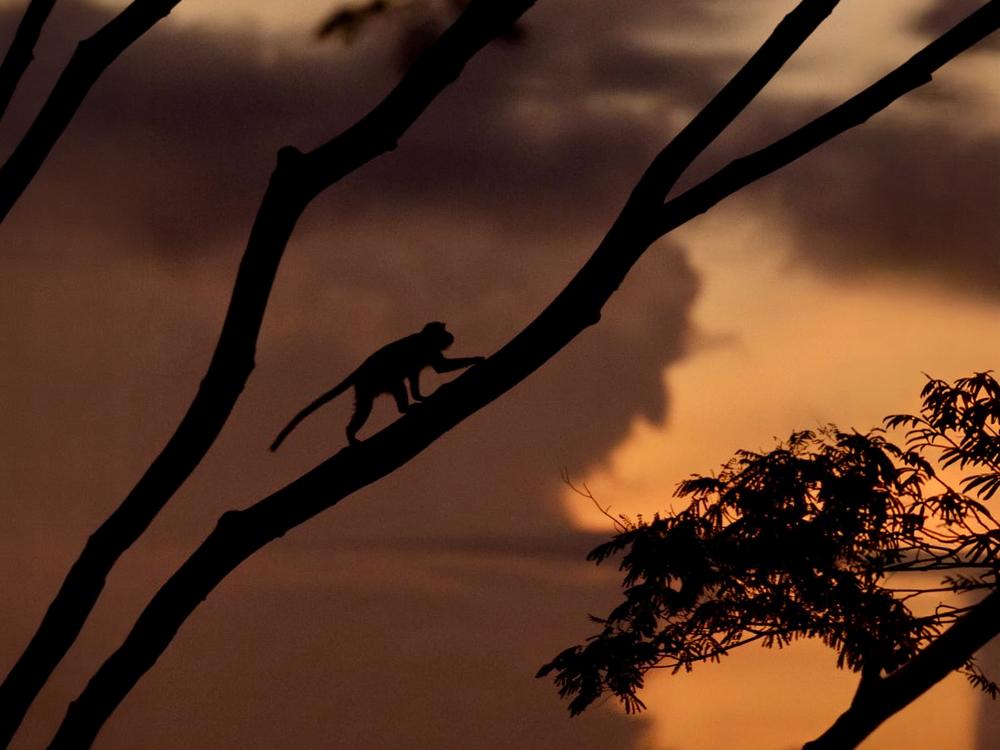
Samboja Lodge is in the heart of a new rainforest, meaning it was once desolate, swampy, and overused by mining and logging… but was restored only 25 years ago. When I first heard this, I couldn't believe it. 25 years and this beautiful forest is all around me? Teeming with birds, wildlife, lush trees, flowers, monkeys, everything! It gave me so much hope. If this rainforest restoration could be accomplished in only 25 years… imagine how many other forests could be regrown and repopulated. We had a canopy top view from the lodge that overlooked the jungle, and every morning or afternoon I made sure just to admire the beauty of what Mother Earth can nurture when given the chance.
Orangutan and Sun Bear Conservation at Samboja Lestari
The Samboja Lestari Orangutan Volunteer Project focuses on two endangered species: the tiny, CUTEST sun bears, standing only 1.55m tall, and, of course, the orangutans. While my main goal was to work with the orangutans, we were “quarantined” for 5 days before any of us could actually interact with them due to the risk of human disease transmission.
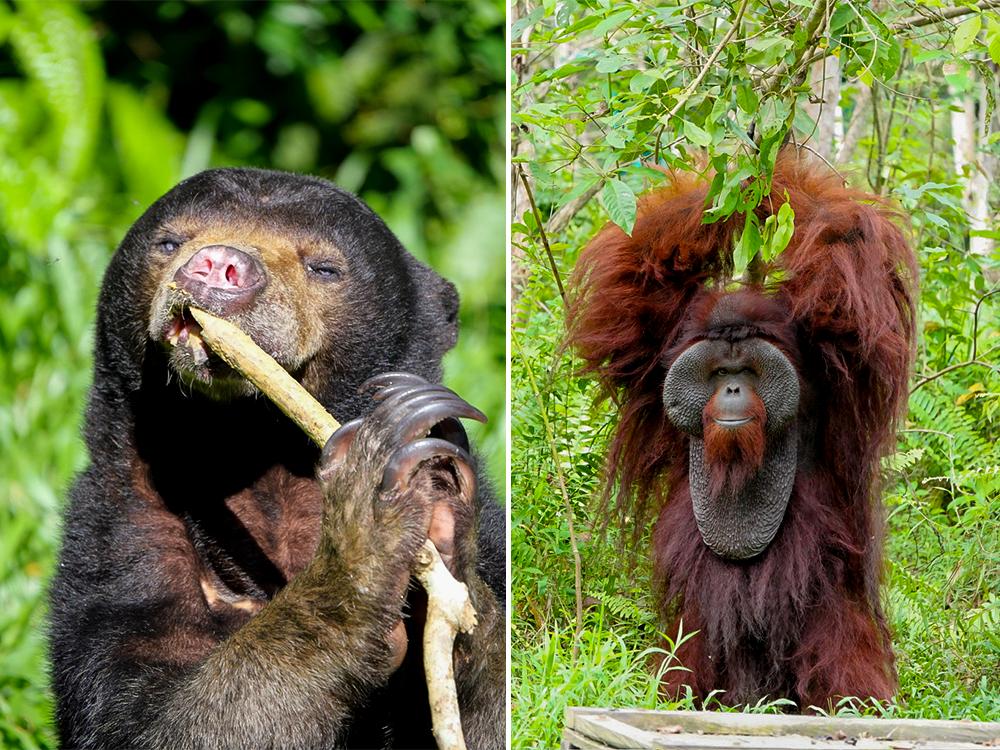
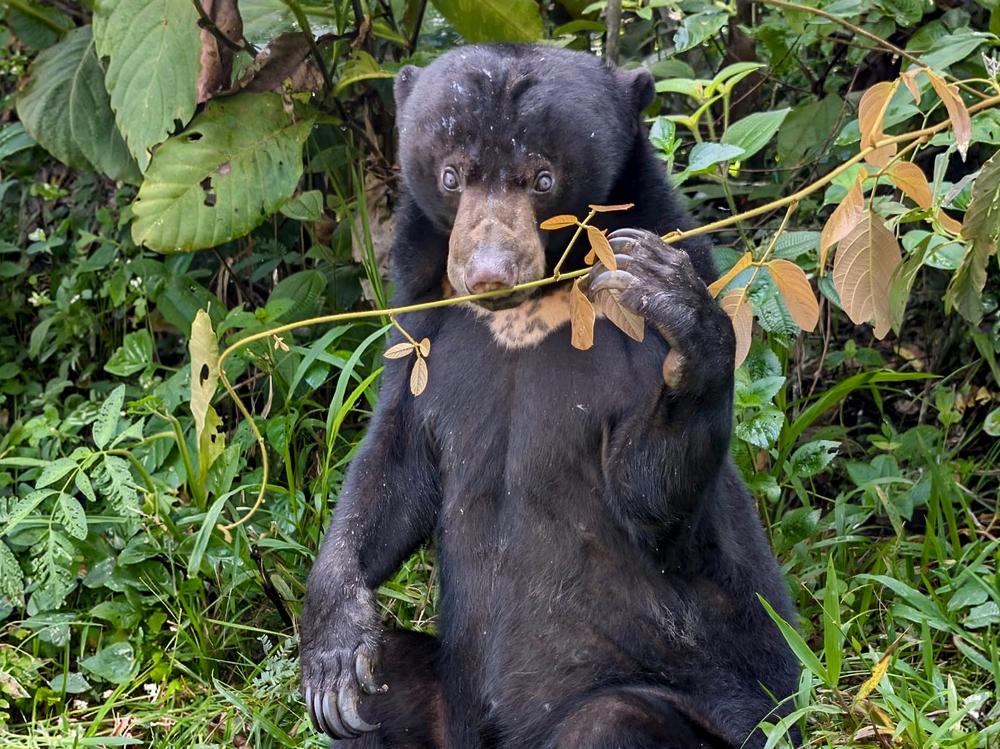
But this gave me so much insight and curiosity about a new creature that I knew nothing about: the cute little sun bears. They honestly look like tiny dogs, and are so small they hide under the jungle brush. They have massive digger claws and have incredible sensitivity to scents and smell.
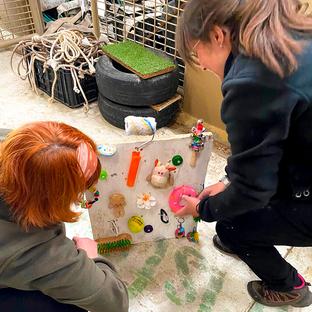
So it was our job the first few days to create animal enrichment for the bears: games and puzzles for them to work for their food and snacks, to keep them engaged and active instead of sitting around waiting for a meal like a typical zoo animal. Since most could not be released, this was one of the best ways to give them life-like challenges they would encounter while looking for food in the wild.
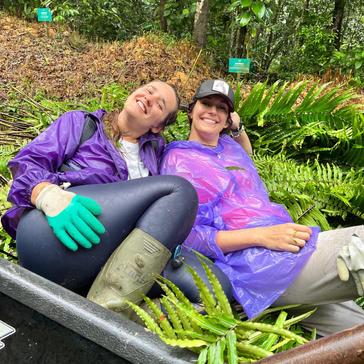
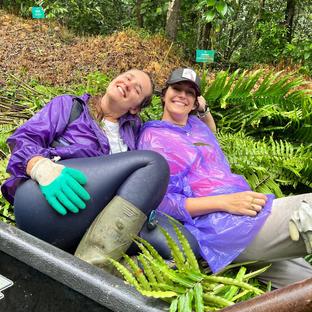
We also got to contribute to a construction project in one of the bear enclosures, so it was a good mix of everything: feeding, creating, building, and all of the above of sweating and getting dirty. It was my first experience of hands-on wildlife conservation work.
Volunteering with Orangutans in Borneo
Day 5 finally comes; what we've all been waiting for… we get to be up close and personal with the orangutans. When I say “up close”, we are still 1 meter away and have zero contact with them. This is for a number of reasons, but mainly health and safety.
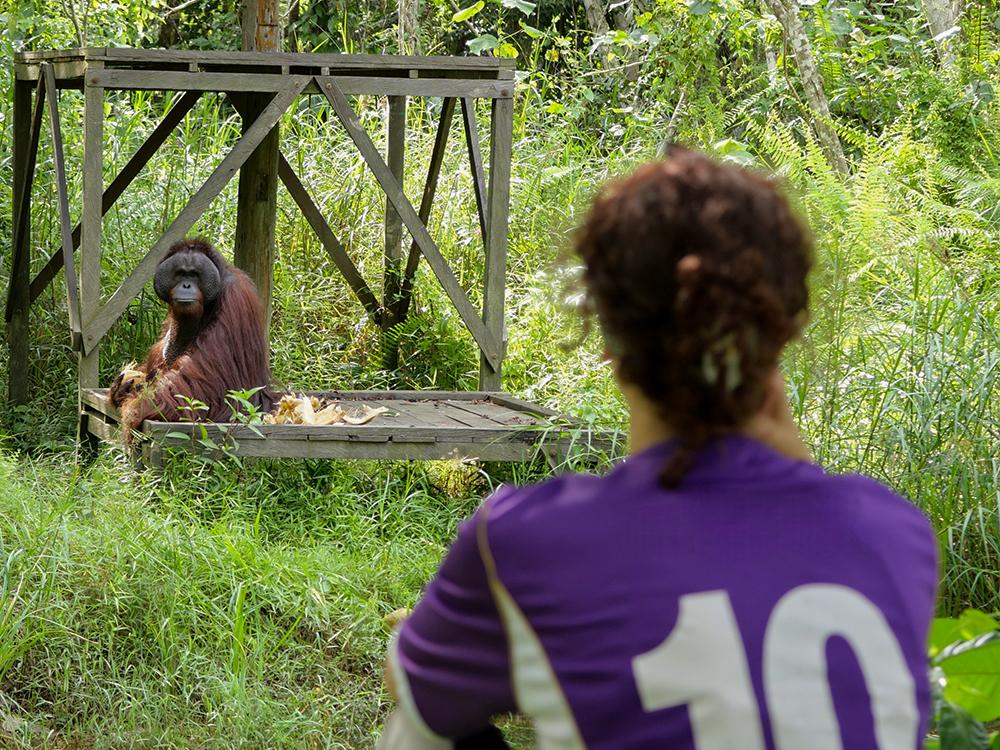
At first I was expecting to be able to touch and interact with them, and was slightly disappointed when I found out we could not. But the more I learned, and the more that was explained to me by our coordinator, the more I understood and wholeheartedly agreed. I quickly learned that responsible orangutan volunteering is about protecting the animals, not simply getting close to them.
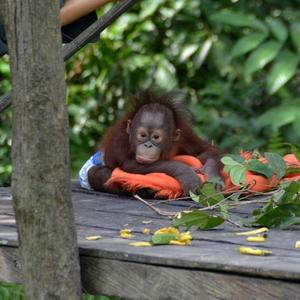
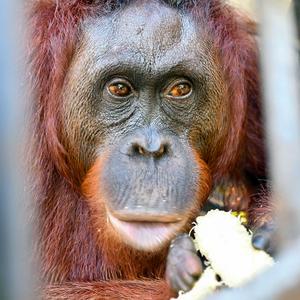
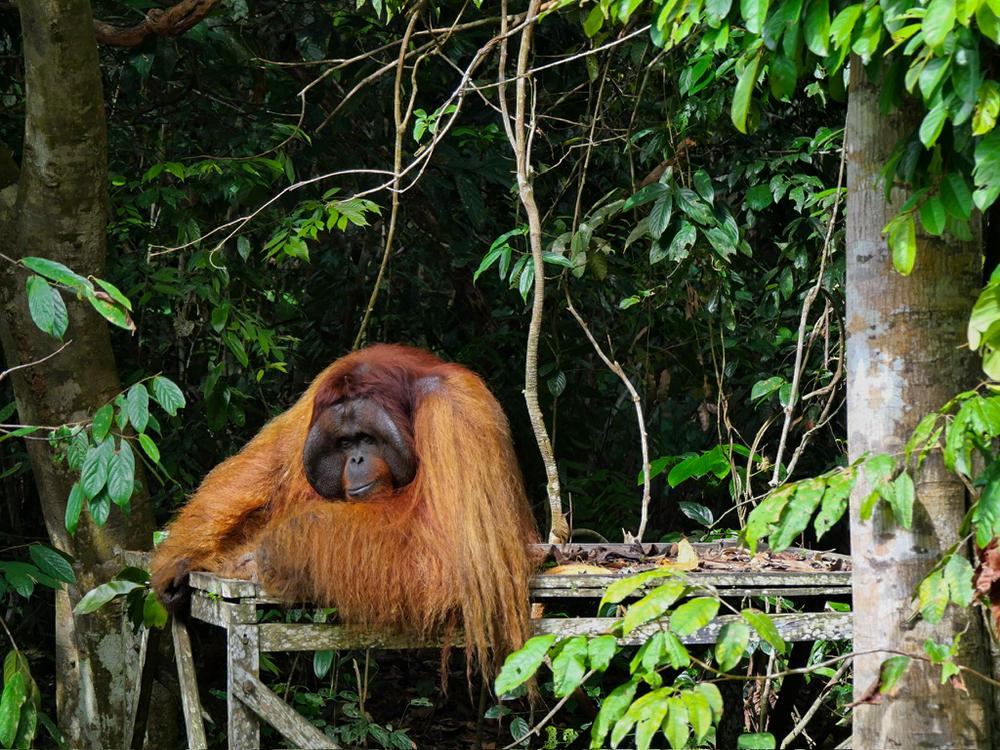
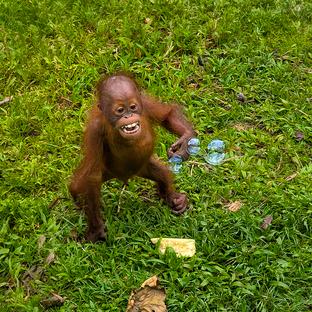
At Samboja Lestari, there are two types of orangutans: unreleasable orangutans (could not survive in the wild due to long periods of time in captivity, health reasons, or injuries) and releasables. We didn't see the releasable orangutans because the hope is that they learn to fend for themselves and have that natural instinct of being afraid of humans once they're released back into the wild. Every day we learned more and more about them. We learned their names, their faces, their attitudes, likes and dislikes…and it wasn't long before everyone in the group easily had their favourite.
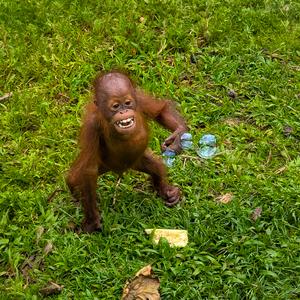
We would spend mornings creating similar orangutan enrichment puzzles for them, water enrichment (which is basically getting to be a kid again and playing with the water hose with them, and they love it!), and every afternoon collected fresh nesting materials so they could create their beds for the night just like they would in the wild.
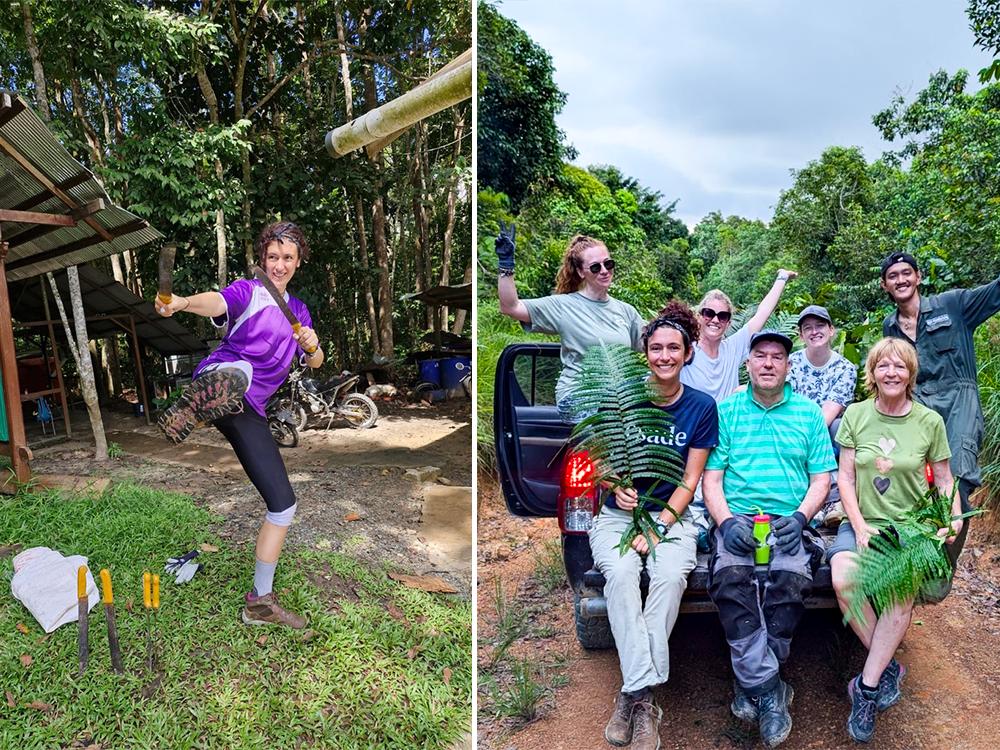
I honestly had way too much fun with the machetes and cutting down bushes, branches, and weed whacking. Supporting orangutan welfare and natural behaviours was a huge part of our daily conservation work.
Every day we watched them from their little islands, which is the most realistic “wildlife” you can give them, and saw how they just… existed. They are so beautiful, thoughtful, and stunning individuals… every time I saw them, it lit up my soul. How lucky, how fortunate I am to be this close to one of our closest living species at 97%. Orangutan in the indigenous language means people of the forest. And when you see them, they belong there… not in a zoo, not in a circus, and certainly not as pets for our enjoyment. They belong to the forest, and it's our job to protect that forest. That is what orangutan conservation is ultimately about: protecting orangutans and the habitat they depend on.
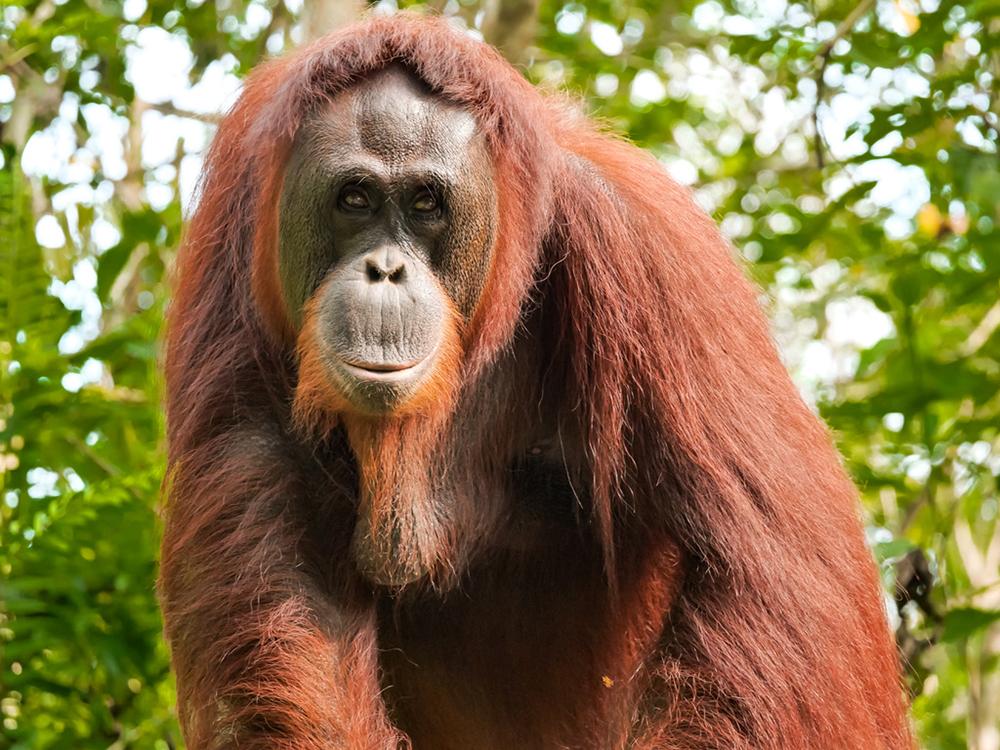
One of the special privileges of the project is that you get to cruise around in a little manmade boat around the islands, to watch them during feeding time. This was one of the highlights, because it truly feels like you are seeing them for the first time…in the “wild”, their forest, the people of the forest. This mini boat tour is not available for everyone who visits Samboja, so it really felt like a reward for all the efforts of our labour.
Life as an Orangutan Conservation Volunteer
When all was said and done, the work was exhausting, the heat was unbearable, and the humidity was almost suffocating. Every day you came back either drenched from the rain or in pure sweat; every night, all of your muscles ached, and the majority of us were in bed by 8pm. Was it tiring? Yes. Was it easy work? No. But I haven't felt that fulfilled in such a long time, knowing truly that the work I was doing was meaningful and long-lasting.
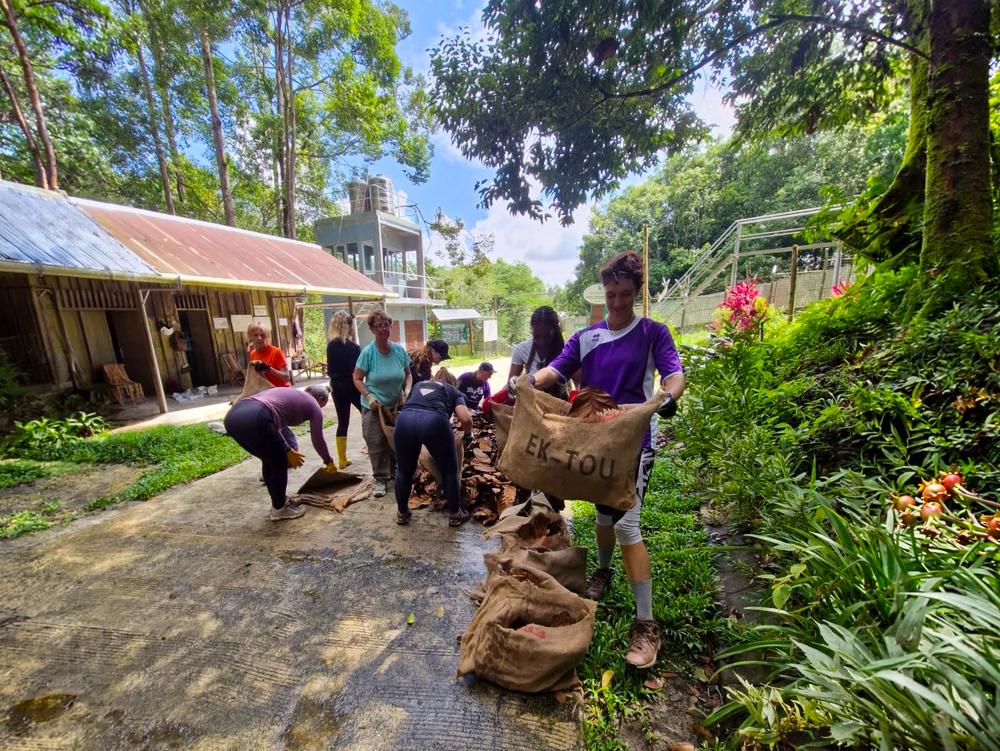
I got to interact with these individuals and hear each one of their stories, and the knowledge that I learned not just about the animals, but also the environment, and how I can use that power of knowledge to take it back with me to my friends… it goes a long way, more than you realise. For me, this was what made the orangutan volunteer experience so meaningful.
The lodging itself became a home away from home. The staff were so friendly and soon began to know us on a first-name basis. They always had a smile on their face and accommodated any request. Our coordinator was always on, making sure we were all safe, sound, happy, and healthy, which for me was huge since I had a slew of health problems the moment I arrived… but I powered through!!! She answered all of our questions about the projects, the animals, and our concerns, but she explained it in a way that was again educational and enlightening… which really made you start to think outside your comfort zone of what you know and what you think you know.
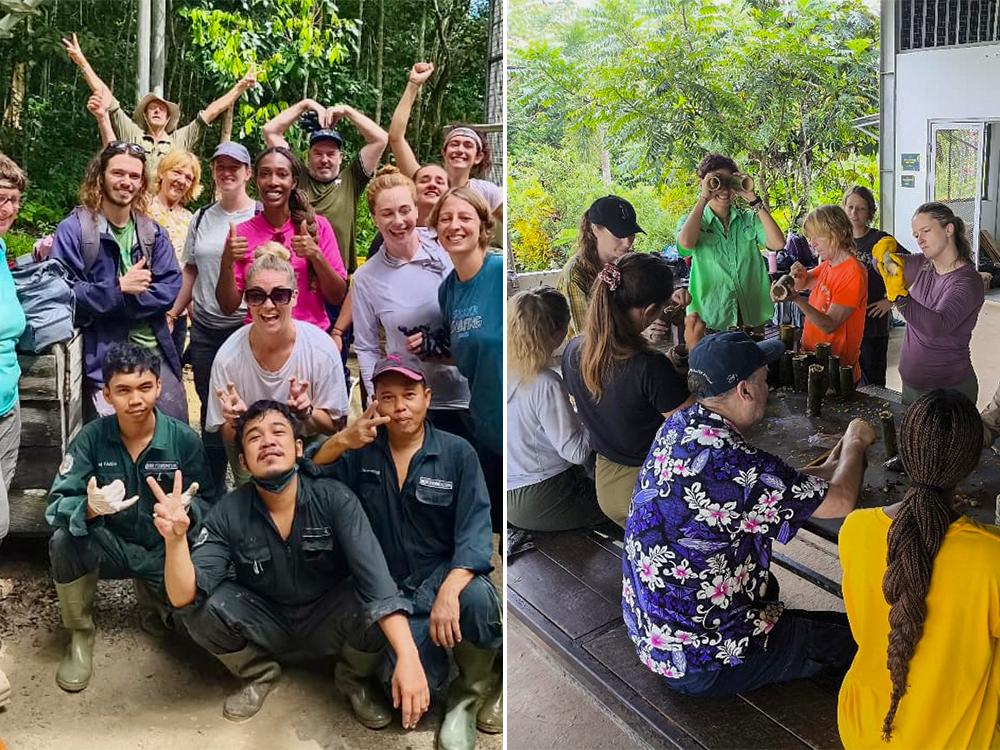
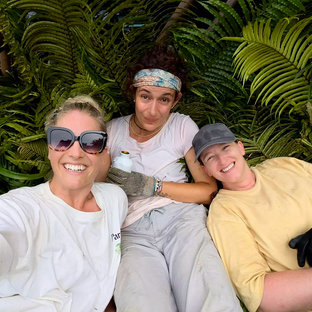
If asked, do I recommend this orangutan conservation project? The answer is immediately, yes. You meet wonderful people of all ages from around the world wanting to contribute to the same cause and who care about our world and those who inhabit it. You will get dirty, and you will be tired, but the memories (and photos) you walk away with easily overshadow anything else. If you're looking to volunteer with orangutans or take part in conservation volunteering in Borneo, I truly hope you have an experience like mine.
I hope to go back someday and bring a friend or two with me!



Proud of my daughter!