
A frog that researchers couldn't identify could turn out to be a new species, and one of our volunteers was the person who found it!
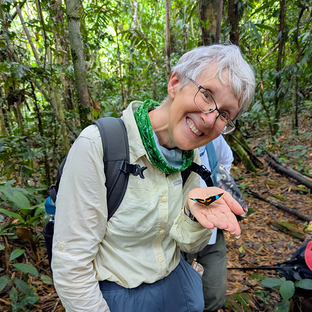
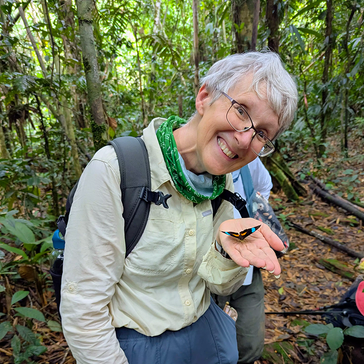
Selena Gallagher joined us on the Amazon Conservation Project Peru in June, spending a month at the Manu Learning Centre, where researchers study the incredible biodiversity of the Amazon rainforest.
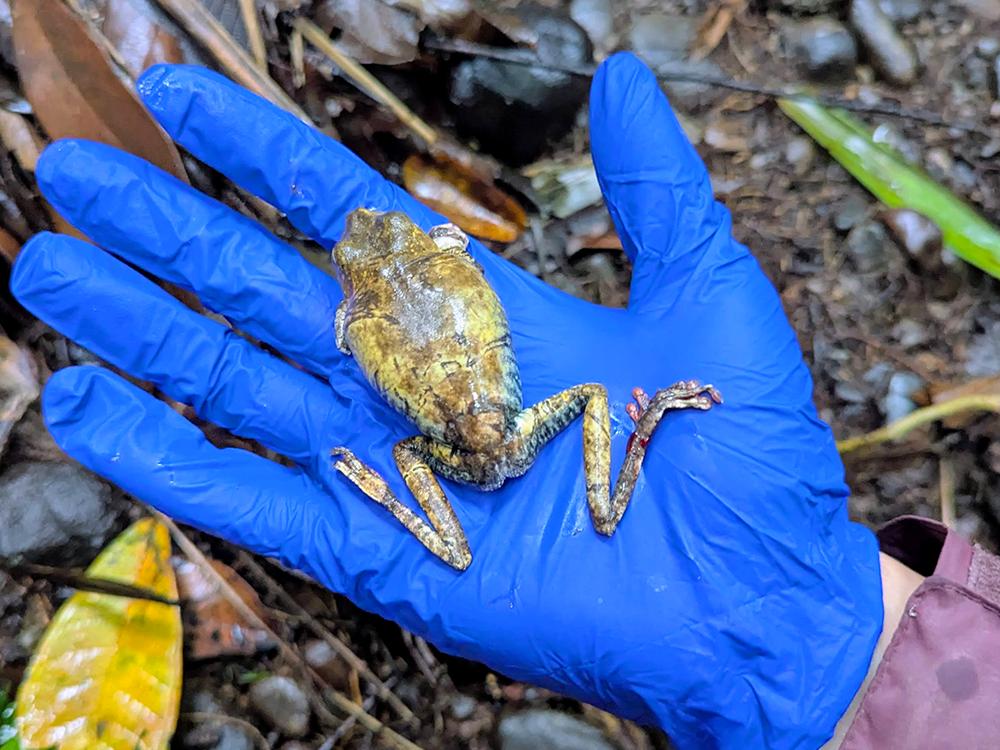
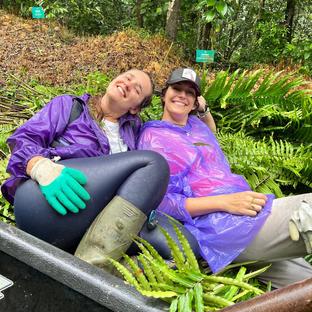
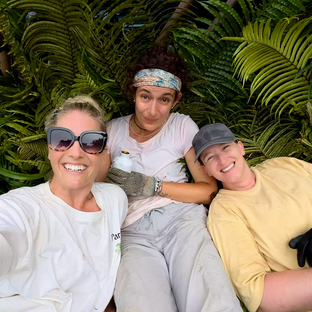
During a trek through the rainforest, Selena spotted an injured frog alongside fellow volunteer Nuala and researcher Riko. The frog sadly didn’t survive, but it left behind a mystery: no one at the centre could identify it. So, the team preserved it for further study.
After Selena’s discovery, a specialist visiting the centre examined the unidentified frog as part of ongoing research with the Museum of Biodiversity of Peru (MUBI). The preliminary findings suggest it could be a new species of Boana (tree frog). The team is now looking forward to the publication of the research, which should reveal more!
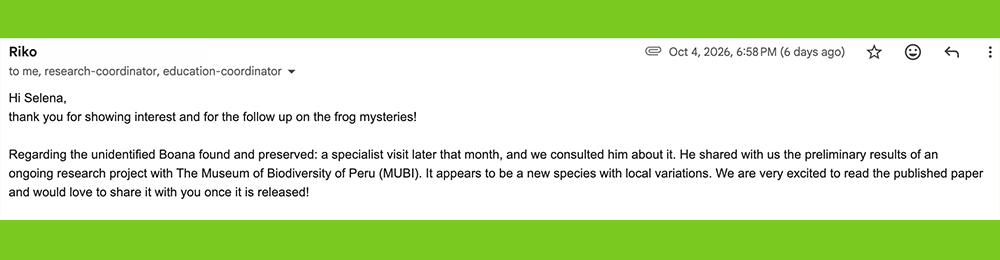
For Selena, though, the possibility is already pretty incredible. She says: “I don't expect to get naming rights. I'm just the one who was lucky enough to spot it as we trekked through the forest on that wet day, but it's still thrilling regardless!”
The difference a volunteer can make
This is a wonderful example of how conservation volunteering can contribute to research in unexpected ways. Volunteers work alongside researchers in the field, helping with activities and observing wildlife that scientists are working to understand. An extra pair of eyes really can go a long way, particularly in a rainforest as biodiverse as the Amazon.
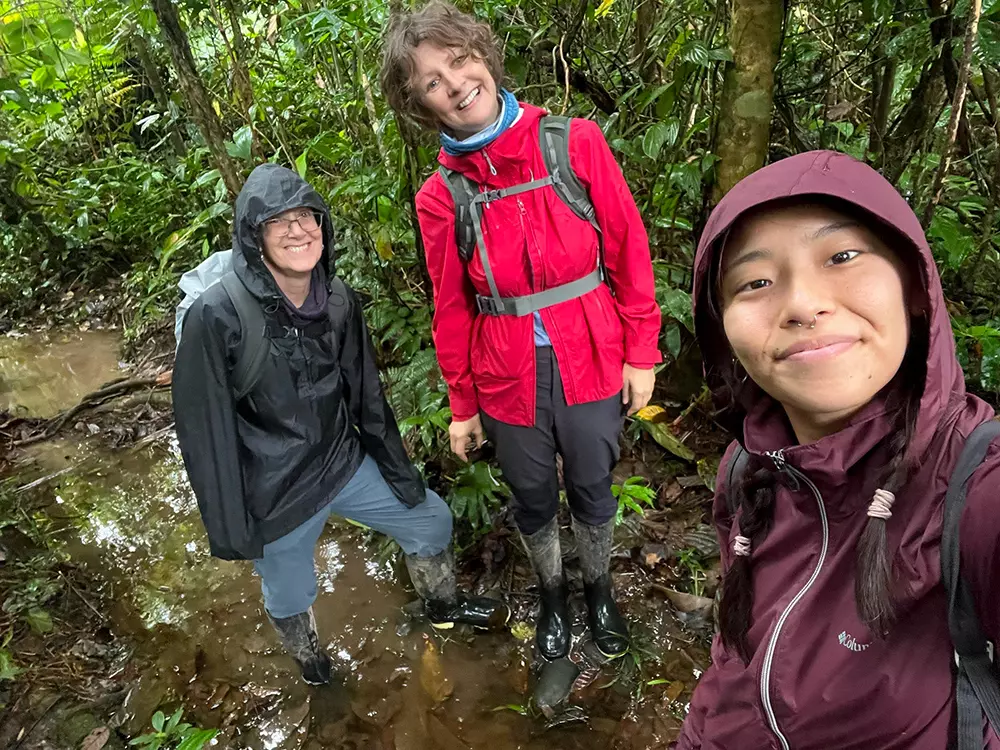
You don't need to be a scientist to get involved, either. Volunteers learn from experienced researchers while contributing their time and enthusiasm to ongoing conservation work. Selena wasn't setting out to make a discovery; she was exploring the forest and paying attention to the wildlife around her.
That is part of what makes volunteering in the Amazon so special. No two days are quite the same, and there is always more to learn about the rainforest and the species that call it home.
Life at the Manu Learning Centre
Of course, Selena's month wasn't all mysterious frogs. The remote research centre brought its own challenges, from trekking through the jungle to trying to dry laundry in the relentless rain and humidity!
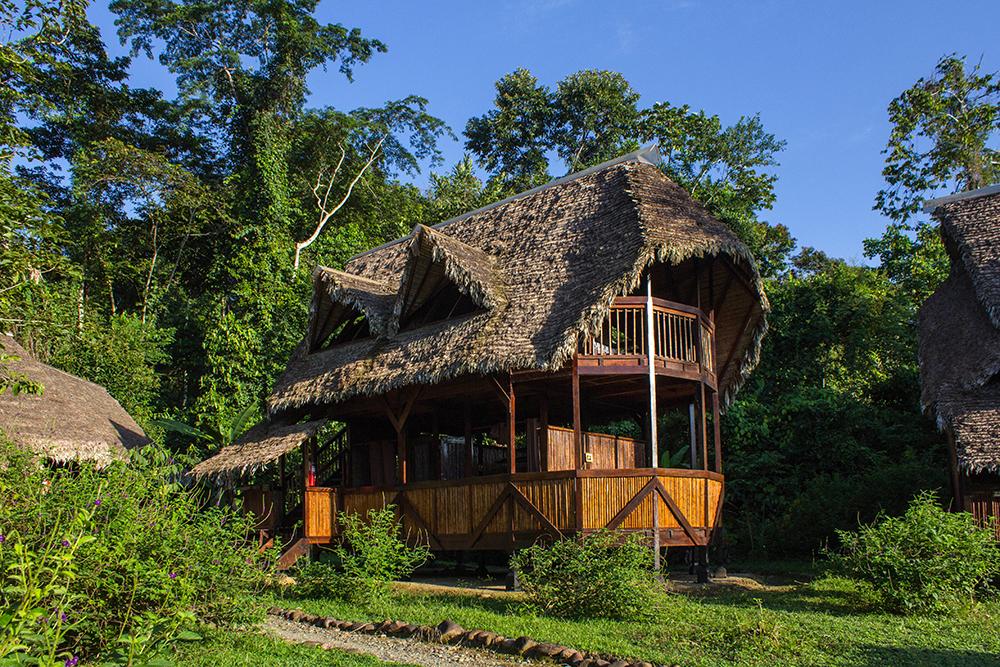
Still, she describes the location as stunning, the team as welcoming and the activities as interesting and worthwhile. Working alongside knowledgeable, enthusiastic researchers gave her a fascinating insight into the Amazon Rainforest and the work being done to understand its wildlife.
As for the frog, we'll be following the research with interest. If the findings are confirmed in the published paper, Selena's rainy-day encounter could have a place in the story of a species new to science.
That's the beauty of wildlife conservation volunteering: you never know what you might discover, the difference you might make, or what you might learn along the way. Sometimes, even the smallest encounters can lead to something extraordinary!