Snow Leopards
Snow Leopard Conservation
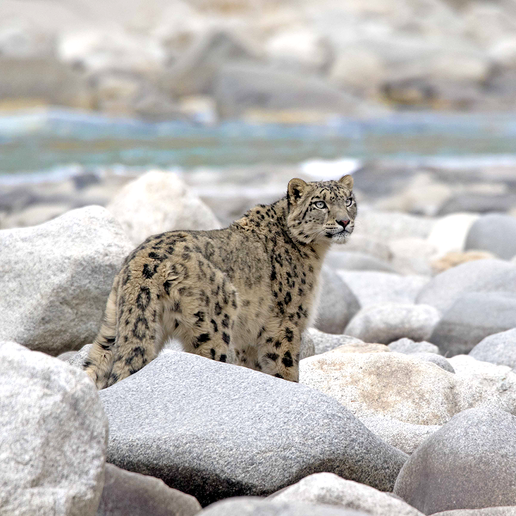
Snow leopards have long captured the imagination as one of the world’s most mysterious and elusive big cats. Mountain ghosts, glimpsed only in the eyes of the remote highlands and brought to life through powerful wildlife documentaries and breathtaking photography from the world’s highest peaks. Yet behind this sense of wonder lies a fragile reality: snow leopard populations are under increasing pressure from habitat loss, retaliatory killings, poaching, and the growing impacts of climate change across their vast but fragmented range.
The Great Projects invites you to journey into these extraordinary landscapes and discover the reality of snow leopard conservation on the ground. From the towering, remote mountain ranges of Central Asia, our conservation-led expedition supports vital research, community engagement, and habitat protection efforts essential to the species’ survival. Through carefully managed, responsible adventure, participants can contribute to snow leopard tracking, support local conservation teams, and help reduce human–wildlife conflict in some of the most remote environments on Earth.
Your snow leopard conservation journey begins here, where rugged mountains, ancient cultures, and one of nature’s most iconic predators come together in the fight to protect the spirit of the high wild.
Tours See More
Snow Leopards Information
Snow Leopards At A Glance

Endangered Status
Vulnerable

Number remaining in the wild
Approx. 4,000–6,500 Left

Endemic Region
Asia
Snow leopards are classed as Vulnerable on the International Union for Conservation of Nature Red List, meaning they face a high risk of extinction in the wild. Unfortunately, there is no robust data on the current snow leopard population; however, it is estimated that only around 4,000–6,500 individuals remain across the mountains of Central and South Asia, and that their numbers are declining across the board.
Snow leopards face a range of serious threats that continue to impact their survival across the mountain regions of Asia:
- Habitat Loss and Fragmentation: Although snow leopards live in some of the most remote landscapes on Earth, their habitat is increasingly broken by roads, mining, infrastructure development, and expanding livestock grazing. This fragmentation reduces the space they need to hunt, breed, and move freely across their territory.
- Poaching and the Illegal Wildlife Trade: Snow leopards are illegally hunted for their fur, bones, and other body parts, which are traded on the black market. They are also sometimes killed in retaliation for livestock losses, despite legal protection throughout much of their range.
- Declining Prey Populations: Their natural prey, including ibex, blue sheep, and other mountain ungulates, is under pressure from overhunting and competition with domestic livestock. With fewer wild prey animals available, snow leopards are forced to travel further and may turn to livestock for food.
- Human-Wildlife Conflict: As people and livestock expand into higher-elevation areas, encounters between snow leopards and local communities are becoming more frequent. When livestock is taken, herders often face financial hardship, which can, unfortunately, lead to retaliatory killings.
- Climate Change: Rising temperatures are altering fragile alpine ecosystems. As vegetation zones shift upward and habitats shrink, both snow leopards and their prey are losing suitable habitat, making long-term survival increasingly uncertain.
Together, these pressures have led to snow leopards being classified as Vulnerable, with only a few thousand individuals estimated to remain in the wild.
Snow leopards are a keystone apex predator in Asia’s high-mountain ecosystems, helping maintain balance by controlling populations of wild herbivores such as ibex and blue sheep. This prevents overgrazing and supports healthy, functioning landscapes.
They are also an indicator species, meaning their presence reflects the overall health of fragile alpine environments. Where snow leopards thrive, ecosystems are typically intact and biodiverse.
Beyond their ecological role, snow leopards hold strong cultural and spiritual significance across many mountain communities, where they are often seen as symbols of the wild spirits of the high Himalayas.
Protecting snow leopards, therefore, helps safeguard entire mountain habitats, the species that depend on them, and the cultural heritage of the people who share their world.
- India (Ladakh): One of the most famous places in the world for snow leopard viewing. The high-altitude landscapes of Ladakh offer some of the best chances of spotting them, especially in winter when they descend to lower valleys.
- Mongolia (Tost Mountains & Altai region): Often considered one of the most reliable countries for snow leopard research and sightings, thanks to strong conservation monitoring and large open habitats.
- Pakistan (Himalaya & Karakoram ranges): Remote northern regions like Gilgit-Baltistan are important strongholds, with increasing conservation efforts improving monitoring and protection.
- Kyrgyzstan (Pamir & Tien Shan mountains): Known for rugged, untouched terrain and active conservation projects, Kyrgyzstan is another key snow leopard habitat with growing eco-tourism opportunities.
- Nepal (Annapurna & Upper Mustang regions): Snow leopards are present but extremely elusive; Nepal focuses heavily on conservation and community-based protection in high-altitude regions.
Snow leopard tracking holidays help conservation by turning responsible travel into direct support for fieldwork and local communities.
They fund vital research such as camera trapping and population monitoring, while also supporting projects that reduce human–wildlife conflict, like improved livestock protection.
These trips create income for local guides and communities, giving people a stronger incentive to protect snow leopards and their habitat. They also help raise global awareness, turning visitors into long-term supporters of conservation.
In short, they combine adventure with real, on-the-ground impact for both snow leopards and the people who share their mountain home.