

When it comes to the animal kingdom, collective nouns offer some of the most fanciful, intriguing, and downright fun phrases in the English language. You probably already know a pride of lions, but what about a shiver of sharks, a coalition of cheetahs, or a shrewdness of apes? Many of these names date back centuries. Some reflect the way animals behave or live together, while others draw on literary traditions that favoured wonderfully imaginative ways of describing the natural world.
Jump to:
From Africa's most recognisable wildlife to the birds, primates, and marine species found worldwide, here are some of the more interesting collective nouns for animals, including a few you might not have come across before!
Collective nouns for African wildlife
Africa's wildlife has no shortage of memorable group names. Some are everyday terms, while others are much less likely to come up unless you're particularly well-versed in animal vocabulary.
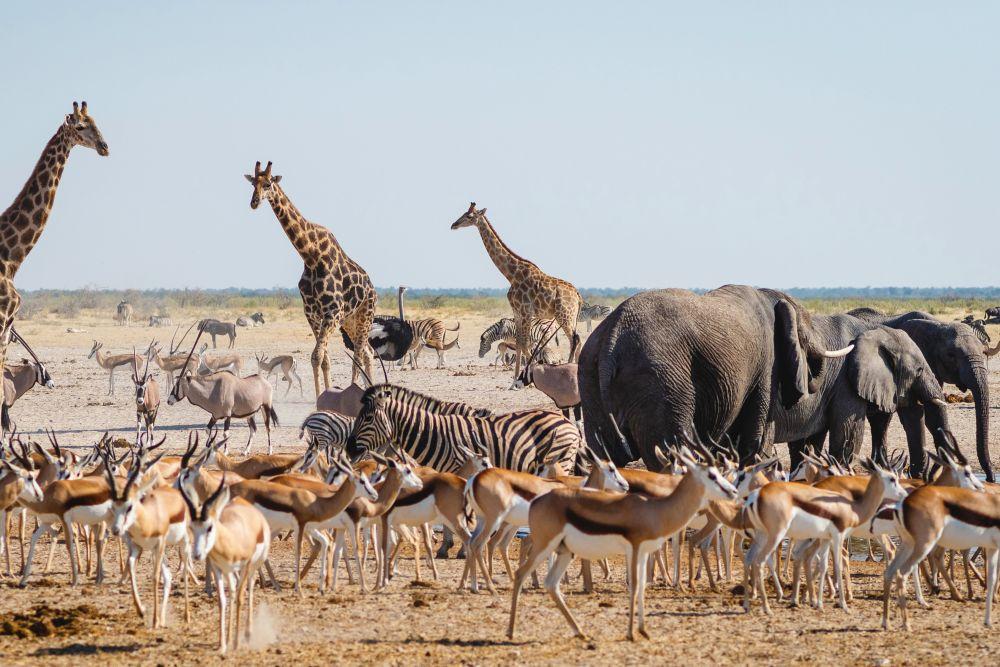
*An asterisk marks less established or more modern and whimsical collective nouns.
| Animal | Traditional & *literary | Common & biological use |
| Lions | A pride | A pride |
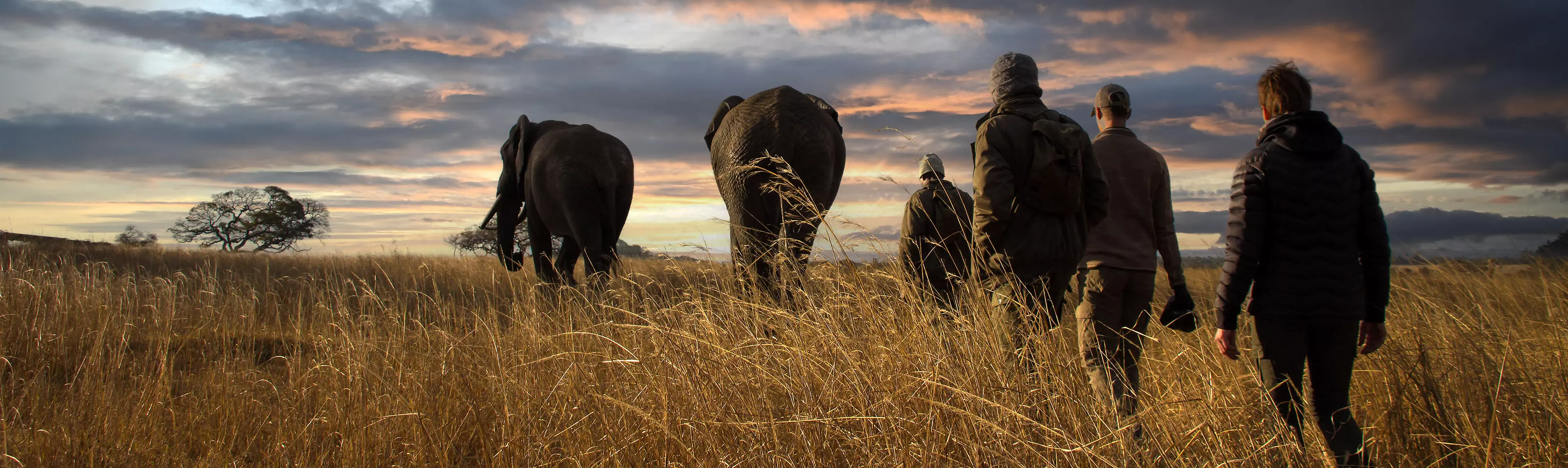
| Elephants | A parade | A herd, or clan |
| Rhinos | A crash, a *stubbornness | A herd, or group |
| Cheetahs | A coalition | A coalition (usually males and often brothers) |
| Giraffes | A tower, or a journey | A herd |
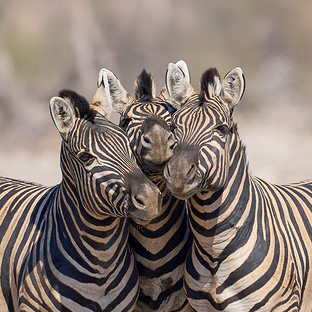
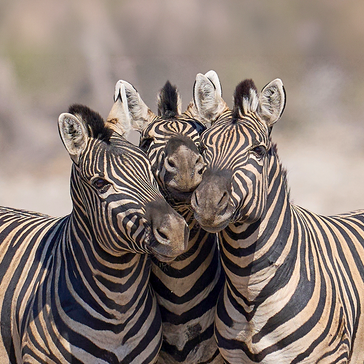
| Zebras | A zeal, a *dazzle | A harem, or herd |
| Leopards | A leap, a prowl | Leopards are largely solitary |
| Hyenas | A cackle | A clan |
| Hippos | A bloat, a crash | A pod or herd |
A crash of rhinos
A crash sounds like it should involve a lot of noise and several tonnes of charging wildlife. In reality, rhinos are mostly solitary, although white rhinos are more sociable and more likely to be seen in groups of females and their calves than other rhino species.
A tower of giraffes
This is probably one of the more vivid names on the list, although biologists generally use herd, as they do for many hoofed mammals. Giraffes have a fission-fusion social structure, meaning individuals regularly join and leave groups rather than forming tightly organised, permanent herds. Traditional collective nouns are often descriptive, so a tower of giraffes seems most fitting for the world's tallest land mammals.
A bloat of hippos
Few collective nouns are quite as unflattering as a bloat of hippos. The word perfectly conjures an image of hefty bodies bobbing together in the water. It's a far more colourful alternative to the commonly used pod or herd.
A dazzle of zebras?*
You'll often see a dazzle of zebras included in lists of collective nouns, but this is one to treat with a little more caution from a traditional standpoint. Some sources describe it as a traditional collective noun, while others consider it a more fanciful or modern literary term.
Collective nouns for primates
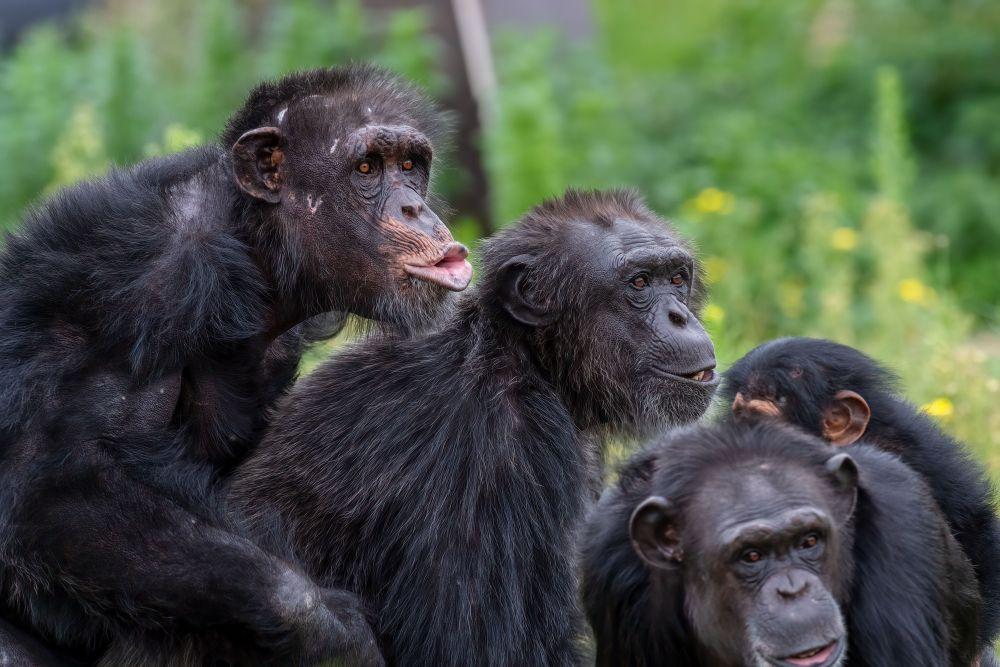
If you're interested in primates, and perhaps you are joining us to volunteer with monkeys or great apes, you'll find the following groups on some of our primate projects:
| Animal | Traditional & *literary | Common & biological use |
| Gorillas | A band | A troop, or family |
| Chimps | A troop | A troop, or community |
| Baboons | A band | A troop |
| Monkeys | A tribe, a *barrel, or a troop | A troop |
| Apes | A *shrewdness | Varies by species |
A shrewdness of apes
A shrewdness of apes is one of the more intriguing collective nouns, partly because the word shrewdness feels quite different today. It seems a fitting name for animals known for their intelligence, curiosity, and complex social lives, although the term itself is literary rather than scientific. In biological contexts, researchers usually refer to species-specific groups, such as baboon troops or chimpanzee communities.
A difference in troops
Gorillas and chimpanzees have their own group dynamics. Gorilla troops typically centre on a dominant silverback, while chimpanzee communities have much more fluid social structures, with individuals forming and changing relationships over time, as regularly observed at Chimp Eden – The Jane Goodall Institute.
An absence of orangutans?
Unlike many primates, orangutans tend to live largely solitary lives, so there's no widely recognised collective noun for a group of them. A fun, informal term used is a "buffoonery of orangutans", but it's playful rather than established. You can see a buffoonery of orangutans during various rehabilitation stages at projects like the Nyaru Menteng Orangutan Sanctuary!
Collective nouns for marine animals
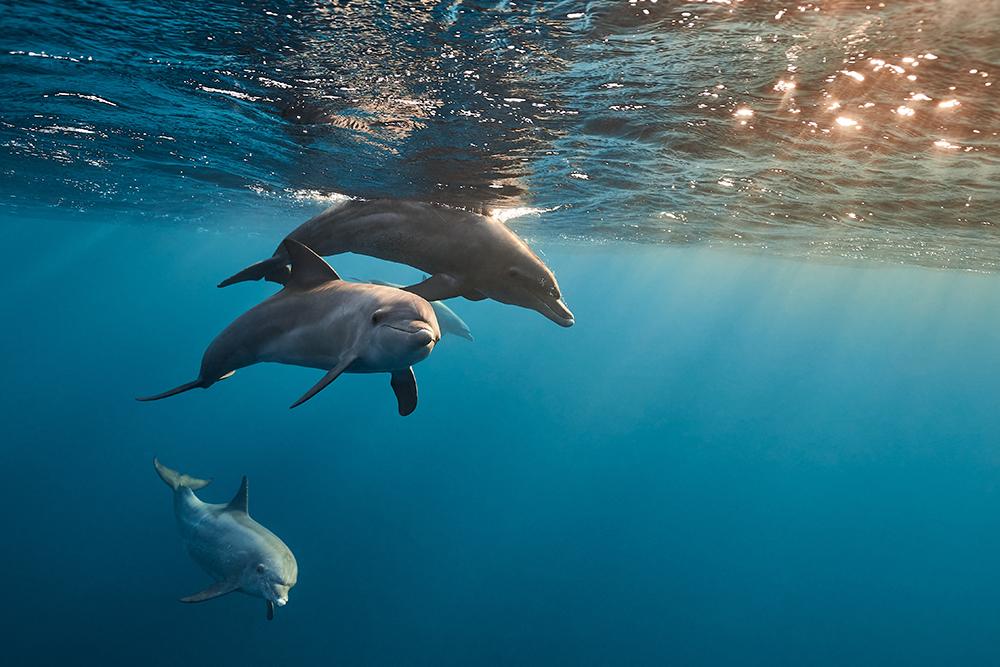
The ocean has its own collection of memorable group names, though some are much more common than others.
| Animal | Traditional & *literary | Common & biological use |
| Dolphins | A school, or herd | A pod, or superpod |
| Whales | A pod, a school, or herd | A pod, a clan or a community (species differ) |
| Sea turtles | A bale, or a flotilla | A group, or aggregation |
| Sharks | A *shiver, or *frenzy | A school, a shoal, or an aggregation |
| Jellyfish | A smack | A bloom, or a swarm |
| Sea otters | A bevy, a raft, or a *romp | A raft |
| Seals | A plump, a spring, or a *bob | A colony, or rookery |
| Fish | A school | A school, or shoal |
Pods of dolphins and whales
A pod of dolphins is probably one of the most familiar collective nouns in the animal kingdom. Whales can also form pods, although their social structures vary considerably by species. You may see a gam of whales listed in other collective noun lists. While it is a traditional expression associated with maritime language, appearing in Moby-Dick, first published in 1851, a gam describes the passing of whaling ships rather than the grouping of whales.
A bale of sea turtles
A bale of sea turtles is less likely to come up in everyday conversation, as many sea turtles spend much of their lives alone. However, they can gather in large numbers around important feeding and breeding grounds. Some species, including olive ridley turtles, are known for mass-nesting events called arribadas, when thousands of females come ashore to lay their eggs. Although bale and flotilla make for interesting collective nouns, group or aggregation is clearer in a biological context.
A shiver of sharks
A shiver of sharks is particularly expressive, although its origins and history are unclear. Sharks are diverse, and many species are largely solitary, while others gather in specific places or at certain times. In scientific contexts, researchers generally describe these gatherings as groups or aggregations.
A smack of jellyfish
A smack of jellyfish is one of the more unusual collective nouns, alongside a bloom or swarm. While smack adds a splash of character to the English language, bloom is more widely used when large numbers of jellyfish gather in one area, particularly in scientific and ecological contexts.
Collective nouns for birds
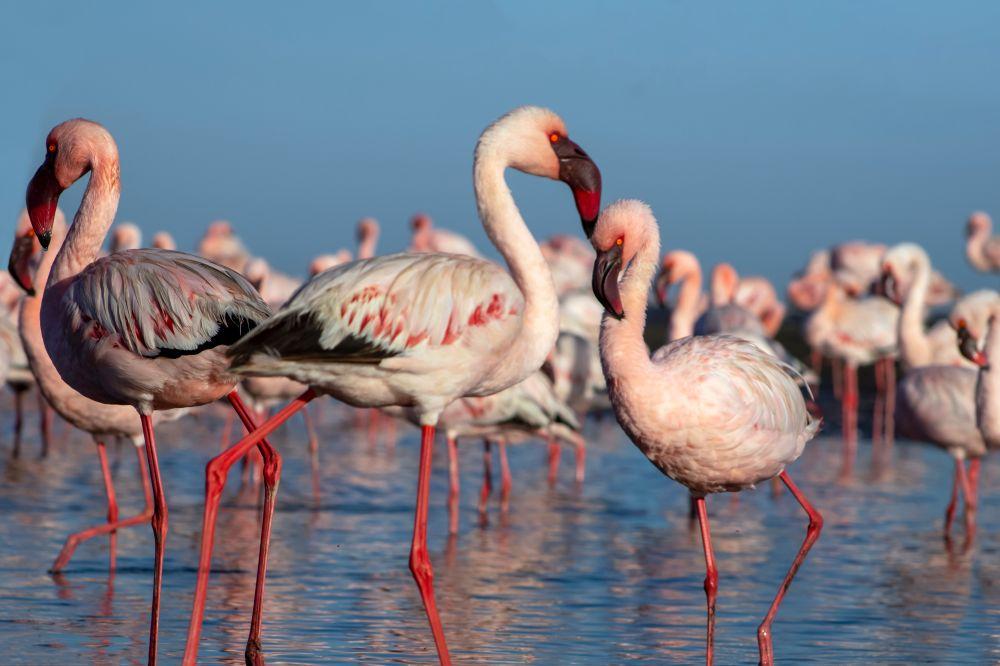
Birds may have some of the most famous and traditional collective nouns in the English language. I'm sure you're all familiar with a murder of crows!
| Animal | Traditional & *literary | Common & biological use |
| Owls | A parliament | Many owl species are largely solitary, although some gather at communal roosts, particularly in winter. |
| Crows | A murder | A flock (they also roost communally in winter) |
| Flamingos | A *flamboyance | A colony, or flock |
| Finches | A charm | A flock |
| Penguins | A *waddle | A colony, rookery, or huddle |
| Eagles | A convocation | A flock |
| Parrots | A *pandemonium, or a *prattle | A flock |
| Vultures | A *committee, or a *wake | A flock |
A committee of vultures
A committee of vultures is a wonderfully vivid noun, conjuring images of these birds gathered together in a sombre, business-like fashion. Vultures often feed or roost in groups, although their social behaviour varies by species. In biological contexts, group or flock is more straightforward, but committee adds a touch of character that I think more textbooks could benefit from.
A pandemonium of parrots
The name is easy to appreciate when you consider how vocal and sociable many parrot species are, gathering in flocks that range from small groups to very large, noisy gatherings. Although it has a distinctly old-fashioned ring, a pandemonium of parrots is a literary collective noun popularised by James Lipton in his 1968 book, An Exaltation of Larks.
More collective nouns for animals
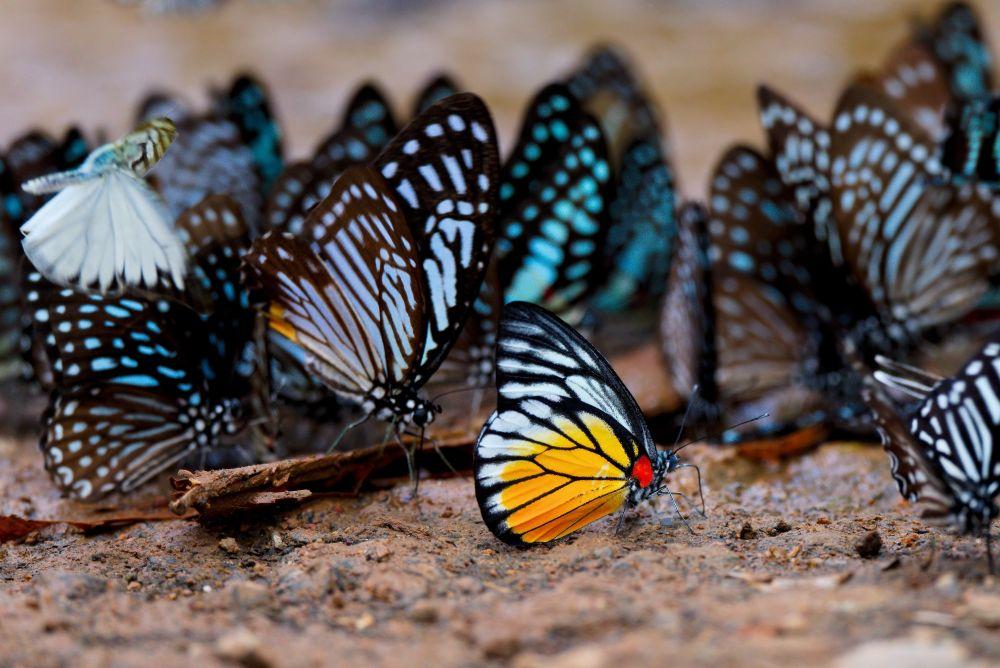
A few more unusual names to add to your wildlife vocabulary:
| Animal | Traditional & *literary | Common & biological use |
| Butterflies | A *kaleidoscope, or a *flutter | A swarm, or aggregation |
| Bats | A cloud | A colony |
| Wolves | A pack | A pack |
| Foxes | A skulk, a leash, or an *earth | A skulk |
| Frogs | An army | A chorus, or knot |
| Mice | A *mischief | A nest, or colony |
| Bees | A swarm | A colony, or swarm |
| Ants | A colony | A colony, or supercolony |
| Snakes | A generation, or a *slither | A den, or aggregation |
Where do they come from?
Many traditional collective nouns for animals trace back to medieval English hunting culture. Lists known as "terms of venery" gave specific names to groups of different animals, with many appearing in The Book of Saint Albans, first published in 1486.
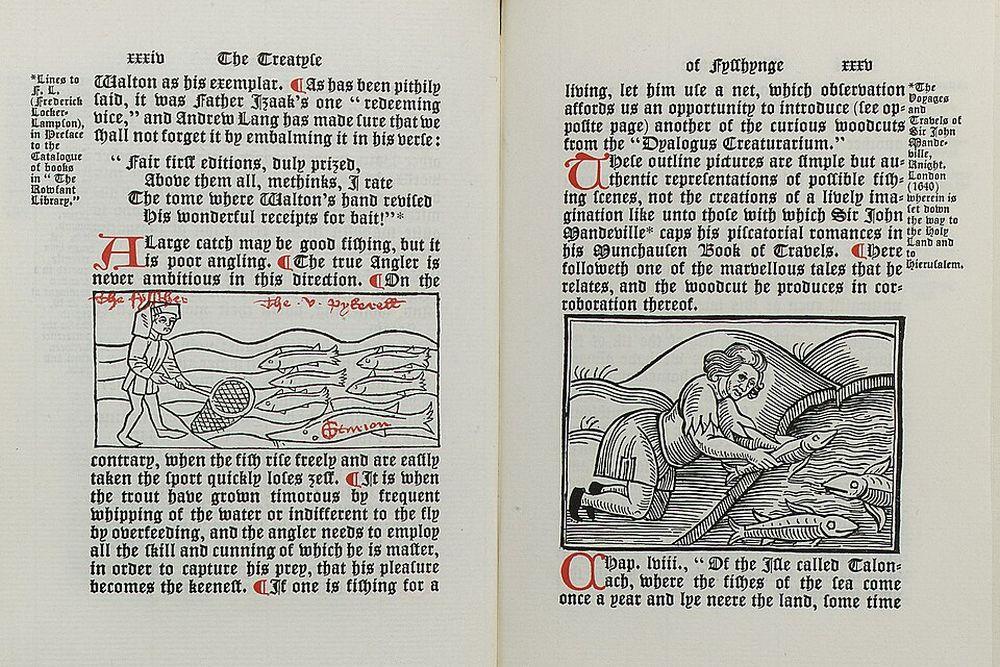
Not all of the names we see today have such a long history, though. Some were coined or popularised much more recently, and no official authority decides which collective noun is correct. That's why you'll sometimes find several names for the same animal, or come across a particularly extravagant term that isn't widely used outside lists of animal facts.
In everyday wildlife writing or viewing, a herd of elephants or a pod of dolphins is perfectly clear. You don't need to call them a parade or a shiver to be correct; sometimes it's just for fun!
More than a name
From a crash of rhinos to a pandemonium of parrots, collective nouns reveal how we see the natural world. Some reflect animal behaviour, others centuries of tradition, and many are imaginative, even poetic. Yet no word can fully capture life within a lion pride, a gorilla troop, or a pod of whales. Behind these names lie complex relationships, remarkable behaviours, and lives unfolding whether we're there to witness them or not. Perhaps that's the appeal of collective animal nouns: they remind us how long we've been fascinated by wildlife, and how much we still have to understand about them.
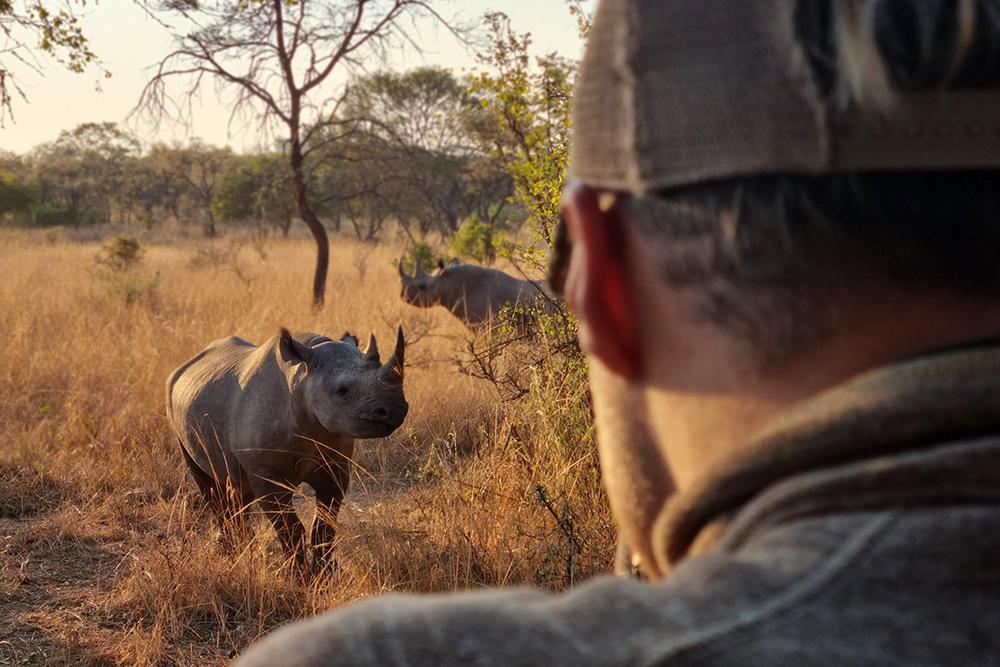
Language is always evolving, and the names we give the natural world will evolve with it. New discoveries may change how we understand animals, while old words take on new meanings. The biggest shame of all would be if some of these collective nouns outlived the animals themselves, leaving us with a crash of rhinos or a tower of giraffes that exist only in text.
Join us on a wildlife volunteer project and see many of these animal groups yourself! Help protect these fascinating animals and the habitats they depend on, because while language can preserve a name, only real action ensures there's still a living creature behind it.