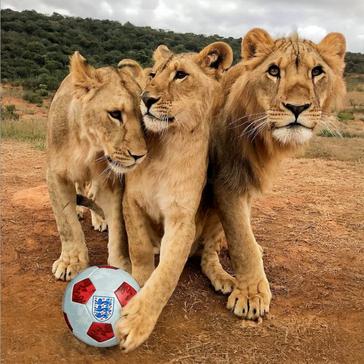



As the World Cup approaches and England gears up to take to the world stage once again, millions of fans will rally behind a symbol that has become synonymous with hope, pride, and footballing dreams: the Three Lions badge.
Jump to:
- Why Does England Have Three Lions on Its Badge?
- The History of the Three Lions Badge
- How the Three Lions Became England’s Football Emblem
- The Three Lions at the World Cup
- The Three Lions at the World Cup & Euros
- From Symbolic Lions to Real Ones
- Help Protect the Real Lions Behind the Symbol
- The Final Whistle
Emblazoned across England shirts for generations, the famous emblem has faced unforgettable victories, heartbreaking defeats, and everything in between. But while most football fans instantly recognise the badge, fewer know the fascinating story behind it.
So, as another World Cup campaign gets underway, what is the story behind England's football emblem, and why are there three lions on the badge in the first place?
Why Does England Have Three Lions on Its Badge?
It may seem unusual given that there are no wild lions in England, and haven’t been since prehistoric cave lions 13,000 years ago. However, in medieval Europe, lions were powerful symbols of courage, strength, leadership, and nobility, widely used in royal heraldry.
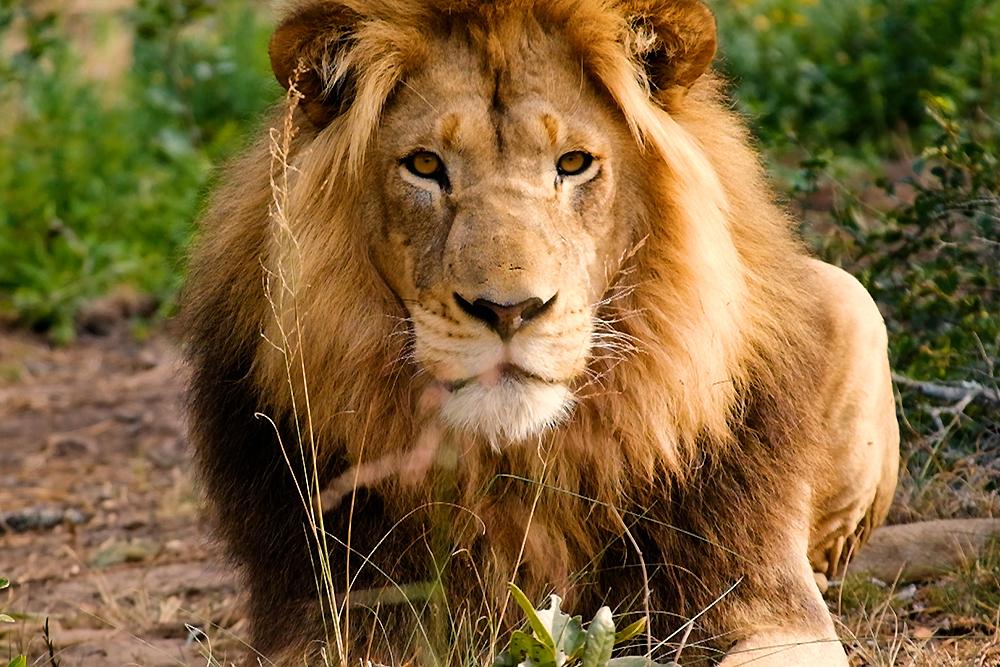
For centuries, European monarchies used the lion to project authority and prestige, and England was no exception.
Over time, lions became deeply embedded in national identity, evolving from a royal symbol into a sporting one.
The History of the Three Lions Badge
The story of the three lions stretches back more than 900 years. The symbol can be traced further back than the reign of Richard I, better known as Richard the Lionheart, but it was during his reign that the royal coat of arms was officially adopted. A design so enduring that every English monarch after him continued to use it.
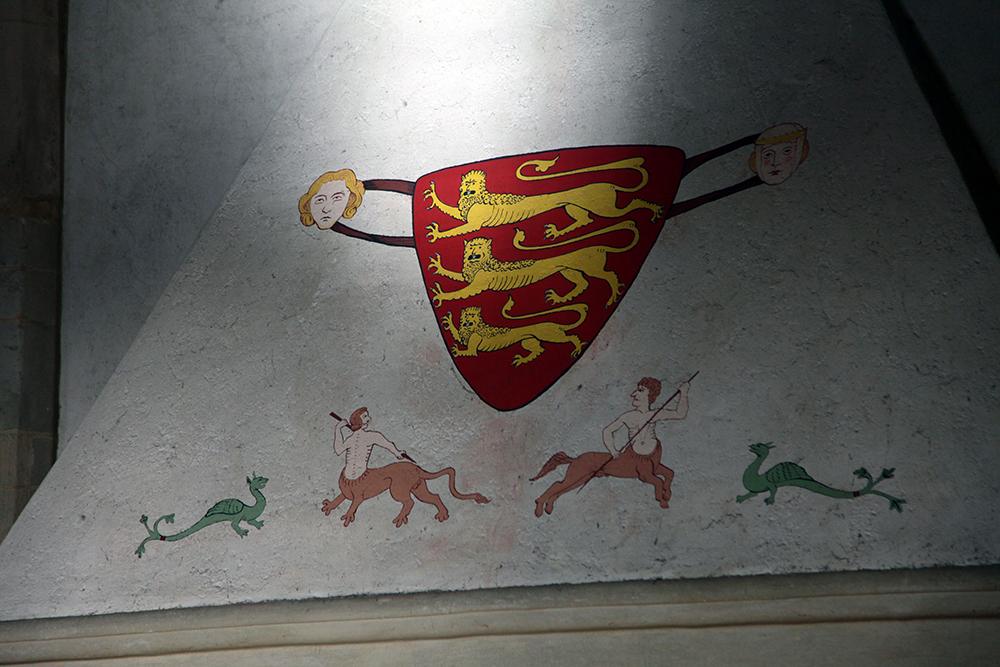
While historians still debate the exact origins of the design, it’s widely regarded that lions were added after dynastic marriages, when families also bore a lion on their seals. King Henry I’s one-lion emblem became two after his marriage to Adeliza of Louvain (with a lion on her family crest, Henry I adopted two lions). Later, King Henry II married Eleanor of Aquitaine, whose family crest was also a lion, and from there, the two-lion and three-lion crests were used interchangeably.
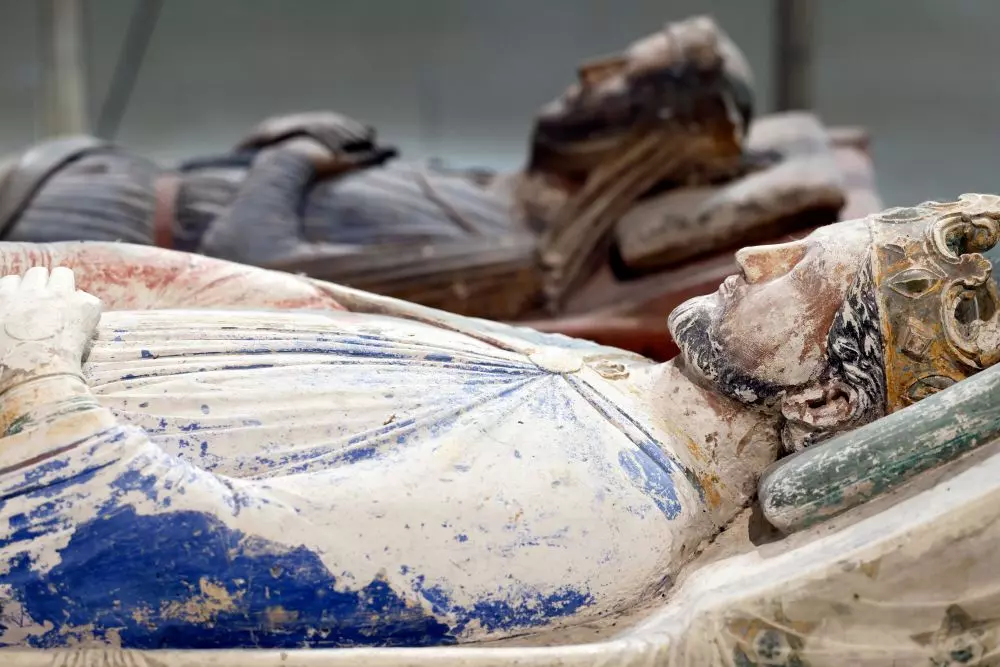
Some historians believe the lions symbolised the three great territories under Richard the Lionheart's control: England, Normandy, and Aquitaine. Over the centuries, the 3 lions appeared on royal seals, military banners, official documents, and coats of arms across the country.
Long before football existed, the emblem had already become one of England's most enduring national symbols.
How the Three Lions Became England’s Football Emblem
When the Football Association was founded in 1863, it adopted the historic symbol as part of its identity.
The organisation incorporated the lions into its crest, linking England’s national football team to centuries of heritage.
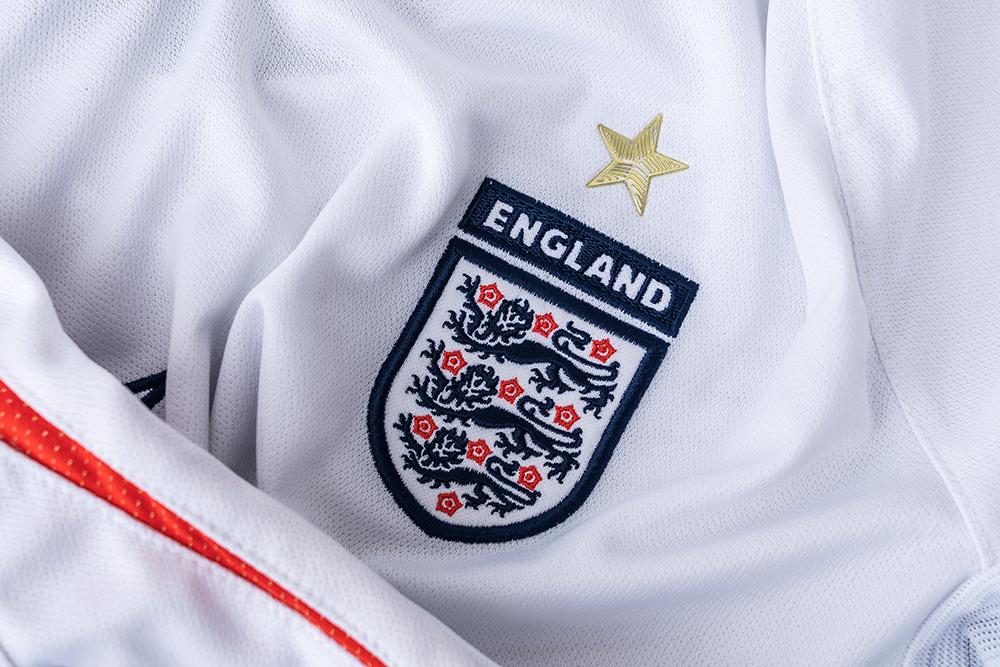
Although the design has evolved over time, the core elements have remained consistent. The modern 3 Lions badge still features the three lions at its centre, alongside ten Tudor roses representing England’s history.
Today, the England Three Lions emblem represents far more than a football team. It stands for national identity, sporting ambition, and generations of football history.
The Three Lions at the World Cup & Euros
Few football emblems carry the emotional weight of England’s famous crest. The badge has travelled to World Cups across the globe, worn by some of the nation’s greatest players.
It was present during England’s iconic 1966 victory, bore witness to the 1986 Hand of God incident, and held onto the 2018 semi-finals, when we thought football might finally come home.
While the men's team continues its search for a second World Cup, the Lionesses finally delivered on the promise of "football's coming home", lifting the European Championship in 2025.
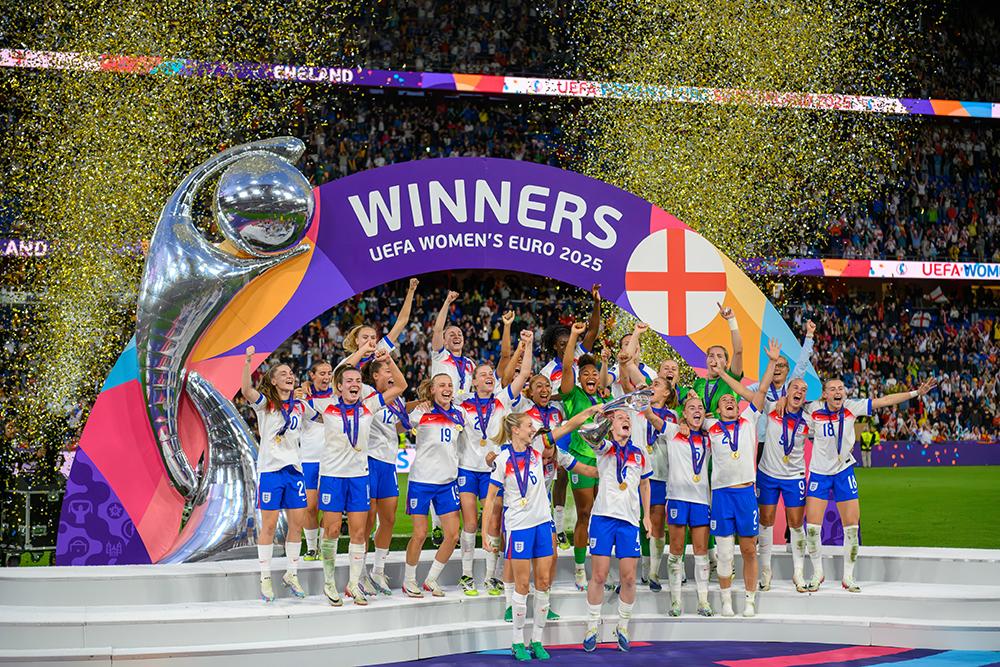
For supporters, the Three Lions symbolise history, identity, and the stubbornly unwavering belief that England's next World Cup victory is never quite as far away as it seems.
As stadiums fill with anticipation, the Three Lions once again become a rallying point for millions of fans.
From Symbolic Lions to Real Ones
While England’s football emblem celebrates one of the world’s most iconic animals, real lions face challenges their medieval counterparts could never have imagined.
Once found across large parts of Africa, Asia, and Europe, lion populations have declined significantly due to habitat loss, human-wildlife conflict, and poaching. Conservationists are now working tirelessly to protect remaining populations and secure their future in the wild.
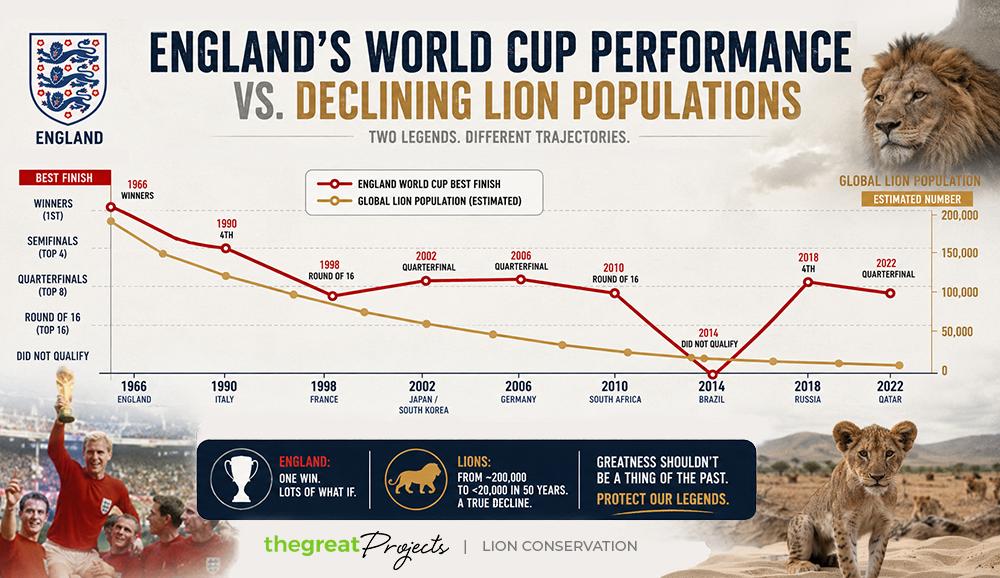
It’s a reminder that while lions may live on in sport and symbolism, their survival in nature is far from guaranteed. For a nation that has borne lions on its crest for centuries, there is also a sense of responsibility to ensure that the animal behind the emblem is not lost to the very history that made it iconic.
Perhaps there really is something in the comparison between our vulnerability under stadium lights and the far greater vulnerability real lions face beyond the roar of the crowd?
Help Protect the Real Lions Behind the Symbol
At The Great Projects, we work with conservation initiatives dedicated to protecting some of Africa’s most iconic wildlife.
For those inspired by the animal behind England’s famous badge, volunteering on a wildlife conservation project offers the chance to contribute directly to real-world conservation efforts. Volunteers support essential work such as habitat management, wildlife monitoring, and assisting conservation teams in the field.
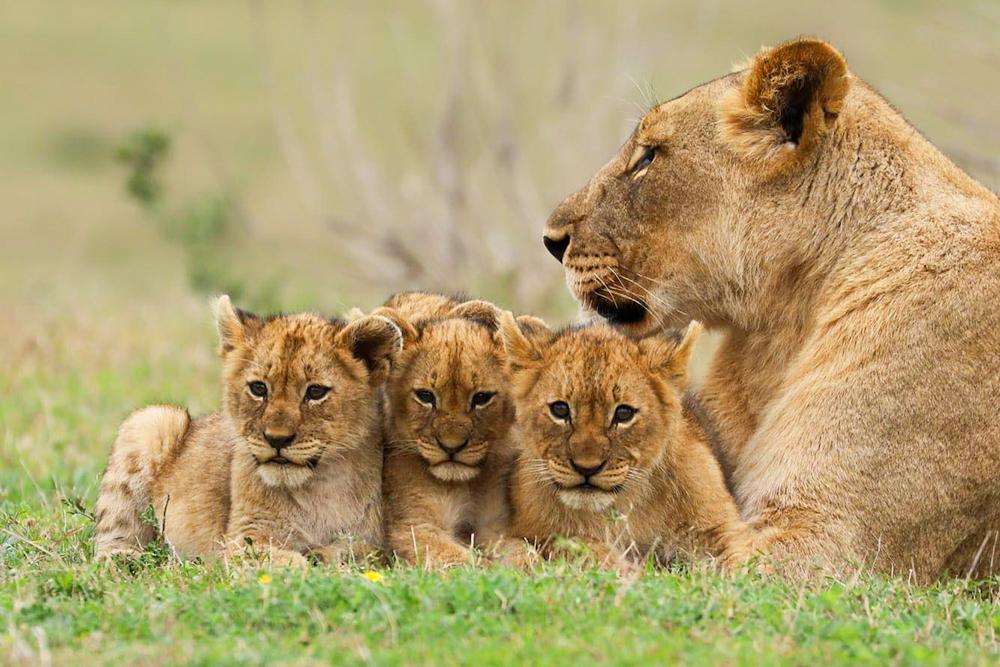
Volunteering with lions is a chance to move beyond symbolism and help protect the species that continues to inspire it.
The Final Whistle
The history of the Three Lions badge stretches back centuries before football was ever played. What began as a royal symbol evolved into England’s football emblem and one of the most recognisable badges in sport.
As England heads into another World Cup campaign, the boys will once again take centre stage. It’s tempting to focus solely on what happens on the pitch, but it’s worth remembering that the animal behind the emblem remains every bit as remarkable, and just as vulnerable, in the wild.
So, while we all wait with bated breath to see if 2026 is the year England finally roar on the world stage, let’s make sure real lions still have somewhere left to hear it.