
In March 2026, Ruth Van Dyke joined The Great Orangutan Project in Malaysian Borneo. After first visiting Borneo as a sightseer, she returned to volunteer with orangutans and learn more about orangutan rehabilitation and conservation. Here is her experience in her own words:
Returning to Borneo to Volunteer with Orangutans
In 2023, I travelled to Borneo with my older sister to see the fantastic wildlife in Sabah. It was an amazing experience, encountering many types of primates including orangutans, proboscis monkeys, macaques, langurs and red leaf monkeys. We were delighted to see more than 190 species of birds, but it was the orangutans which had particularly drawn me to Borneo, and it was the orangutans that brought me back in 2026.
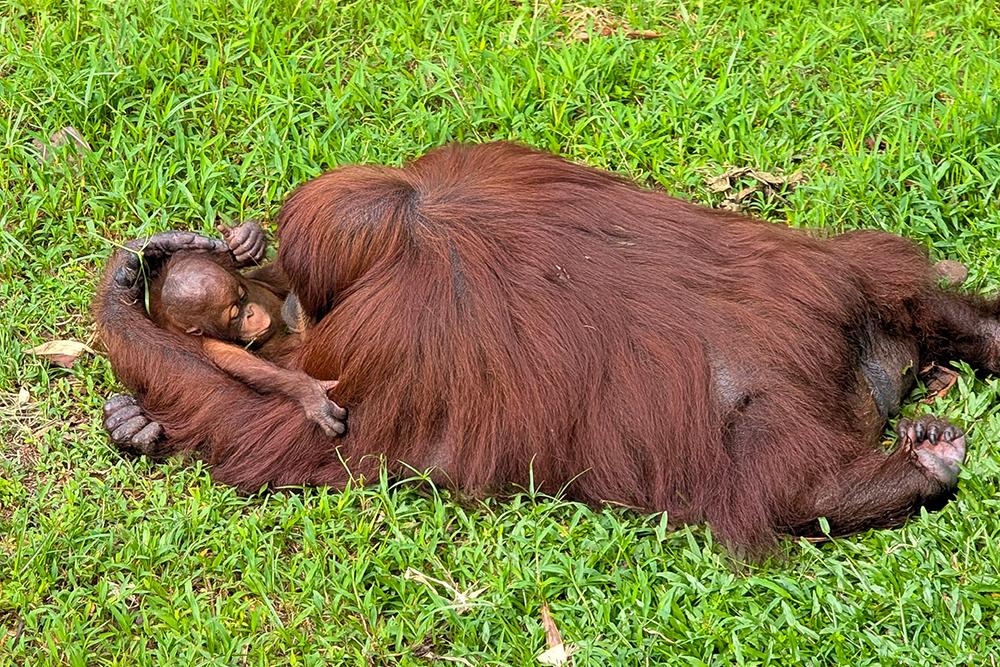
This time, I wanted to join an orangutan volunteer project to understand better the efforts involved in rescuing and rehabilitating orangutans. While searching for opportunities to volunteer with orangutans, I came across The Great Orangutan Project and their volunteering opportunity at Matang Wildlife Centre in Sarawak.
I signed up eight months before flying to Malaysia and integrated volunteering into plans to explore the national parks, wildlife and communities of Malaysian Borneo. I recommend that if you volunteer, you also travel to experience more of what Borneo has to offer!
Preparing for My Orangutan Volunteer Experience
The Great Projects team kept in touch throughout the waiting period and supported me through the difficulties I had finding travel insurance that would cover volunteer work at the age of 72. This was more troublesome than the heat and humidity you encounter in Borneo, which you do get used to! You also become accustomed to a slower pace of life.
I did not really know what to expect from this experience, except that I would have some sustained interaction with orangutans and other endangered animals. I hoped I would learn more about why sanctuaries such as Matang are necessary, and I did.
Life at Matang Wildlife Centre
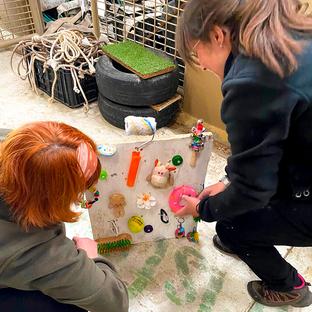
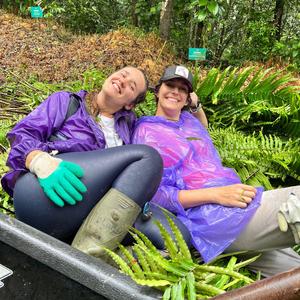
There were five of us volunteers during the two weeks I spent at Matang, and we quickly bonded over meals we cooked and evenings we shared. We built relationships not only with each other and the local staff, but also with the animals we cared for. Our days included feeding and observing orangutans, sun bears and macaques, cleaning their night dens, and creating enrichment activities to challenge and stimulate animals that could not experience life in the jungle.
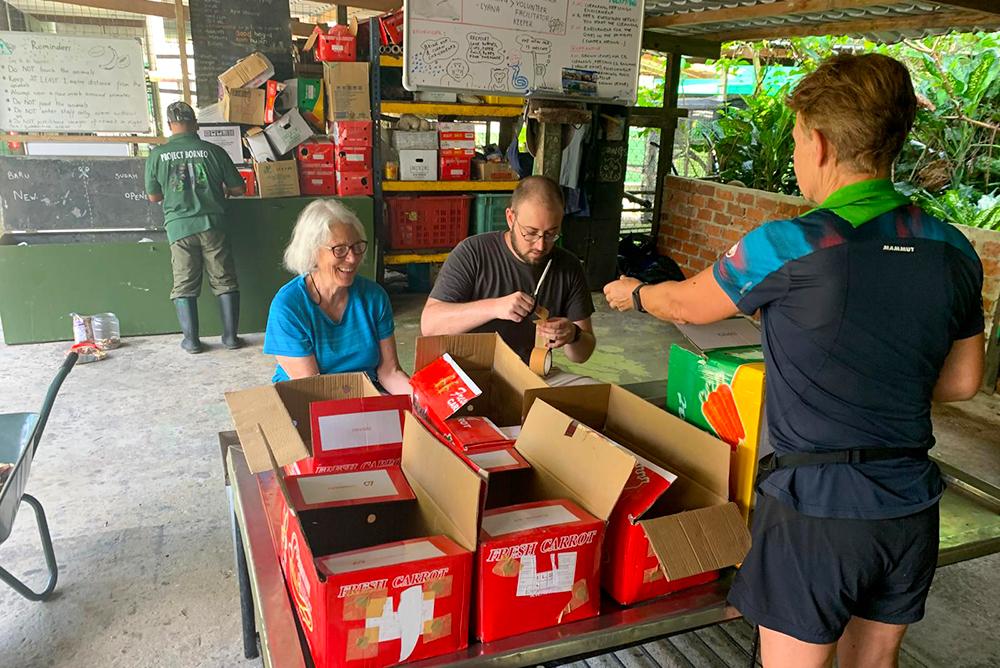
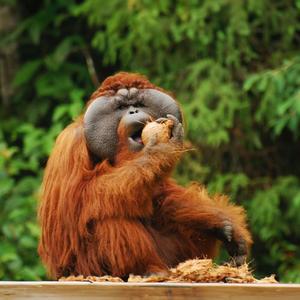
One afternoon, we filled boxes with dried leaves and several handfuls of nuts before throwing them into the orangutan enclosures. We watched as the adults easily ripped open the boxes and searched methodically for the nuts. They have huge hands, yet they are so deft and agile.
I was especially amazed by orangutan Doris, who found and collected the nuts in one hand, then brought them towards the viewing platform and ate them one by one while we watched. Encounters with Doris were always interesting.
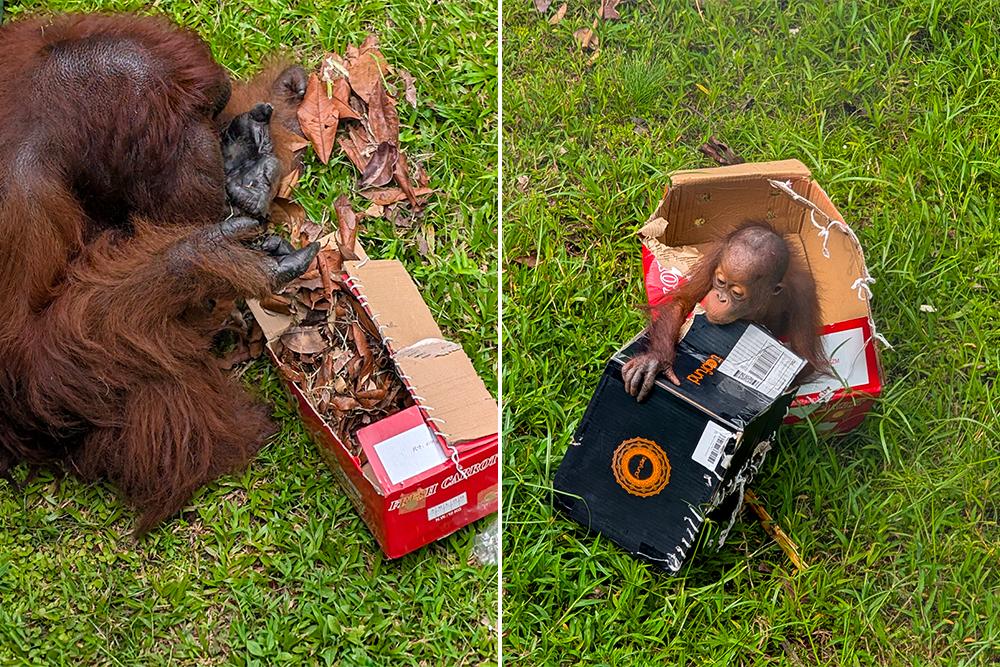
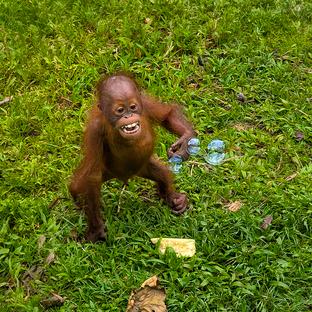
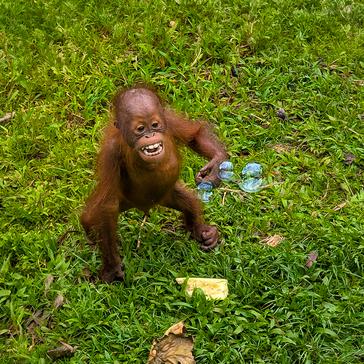
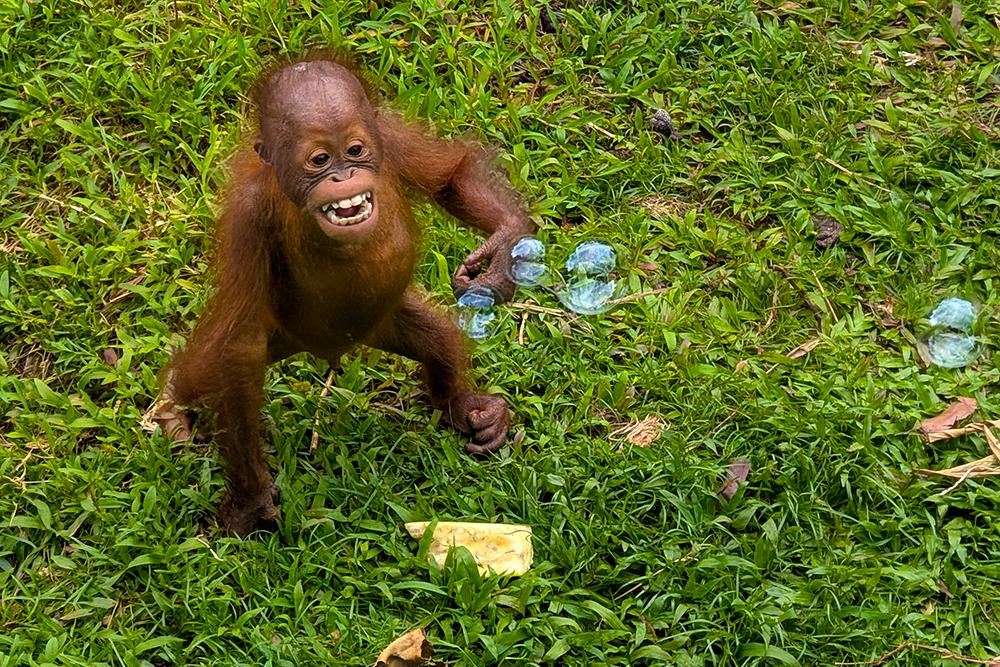
That afternoon, we also laughed at the antics of baby Leo. He was interested in the boxes and not just their contents; he dragged them around, sat in them and tumbled around. He was filled with curiosity and delight, and it was a joy to watch.
How Volunteers Support Orangutan Conservation
One of the biggest lessons I took away from my time at Matang was just how important volunteers are. The money that volunteers bring to Matang helps support enrichment activities, extra food and the wonderful staff who care for the animals every day.
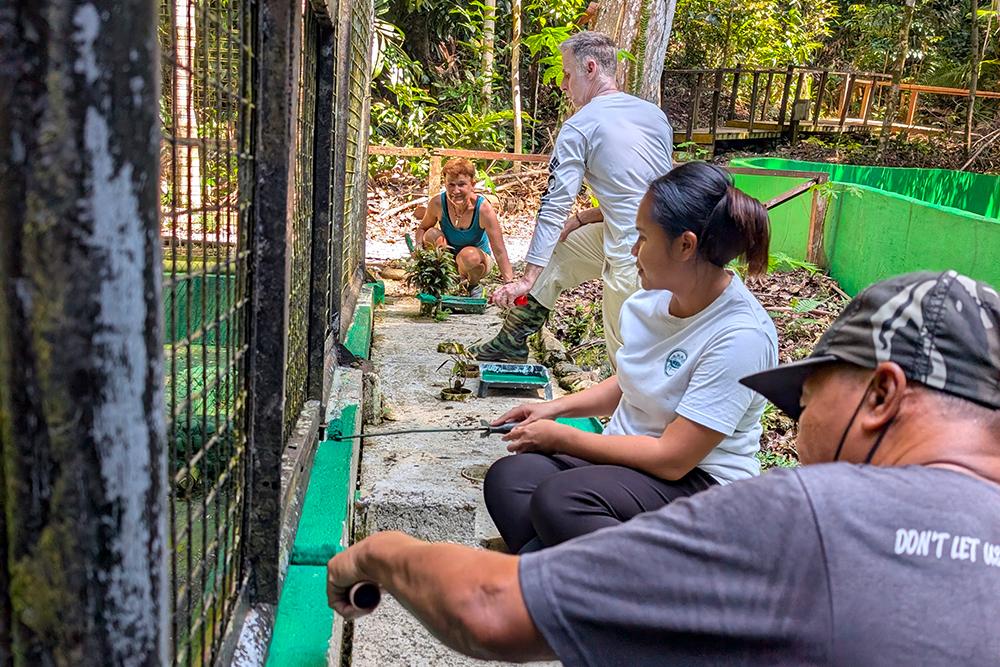
Bujang and Lianna worked with us, cleaning night dens in the morning and then helping us with enrichment activities or maintenance jobs in the afternoon. This included collecting leaves and palms from the forest, painting structures and even snake-proofing a cage for an injured owl. Volunteers matter.
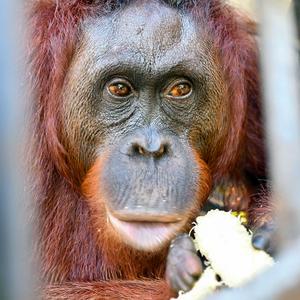
As a volunteer, you become part of a larger team responsible for looking after rescued animals. Many of the orangutans, sun bears, and macaques at Matang were victims of the illegal wildlife trade, taken from their mothers as babies and kept in confined spaces. Because of this, many have not learned how to survive in the wild.
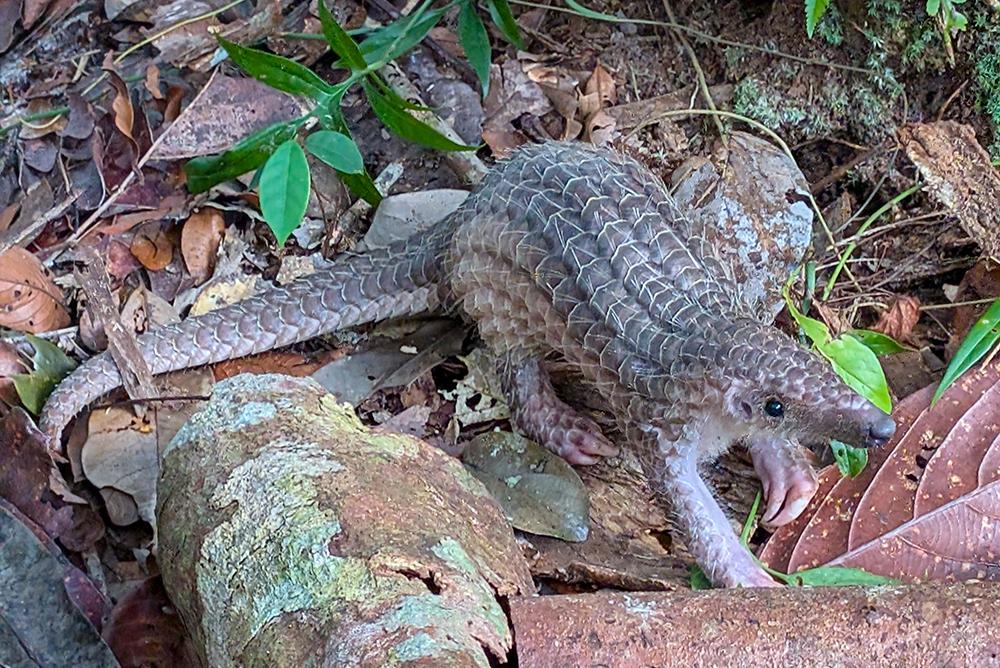
While Matang works towards rehabilitation and release wherever possible, it is not possible for every animal. During my stay, we hiked into the jungle to release a python and observed staff training baby pangolins in the forest.
We were also lucky enough to see Ganti, a released orangutan, return to Matang with her baby and juvenile daughter. It was a rare but wonderful moment. Staff were overjoyed because they knew Ganti and her family were thriving in the wild. For us volunteers, it was thrilling to see an orangutan living freely and to understand that Matang remained a trusted place she could return to if she needed support.
The Moments I’ll Never Forget
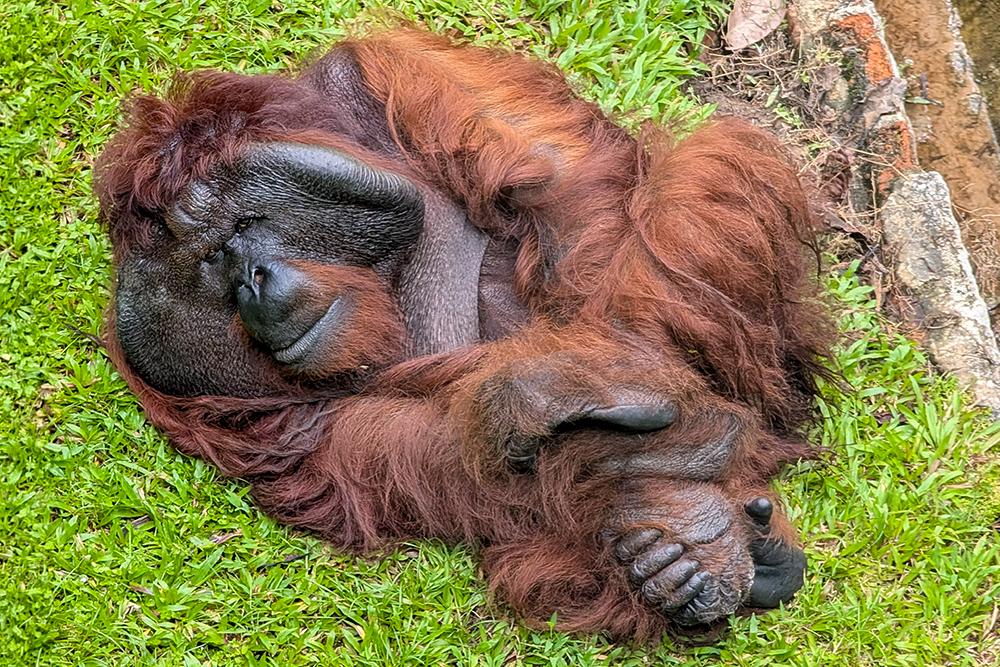
One volunteer in our group, Ken, brought singing bowls to Matang and spent many afternoons playing them to the orangutans. Aman, a dominant male, became a particularly attentive audience. Another volunteer, Lieve, brought children’s books, which were given to the orangutans after I left. Their curiosity towards the books reminded us of our close kinship with these incredible animals, as did watching Catherine and her son Leo.
My final afternoon at Matang was another unforgettable moment when we blew bubbles into the orangutan enclosure. We watched the joyfulness of Leo as he chased and tried to pop the bubbles, just like toddlers would do at home. He ran around with a big toothy grin.
Why Anyone Can Volunteer with Orangutans
One of the best things about volunteering with orangutans is that age does not matter. Anyone can contribute and become part of the volunteer community. I was 72 when I joined The Great Orangutan Project, and I found the experience incredibly rewarding.
It gave me close encounters with some of Borneo’s most magical animals, but it also gave me a deeper understanding of the challenges facing endangered wildlife, including the illegal wildlife trade and habitat loss.
My Review of The Great Orangutan Project
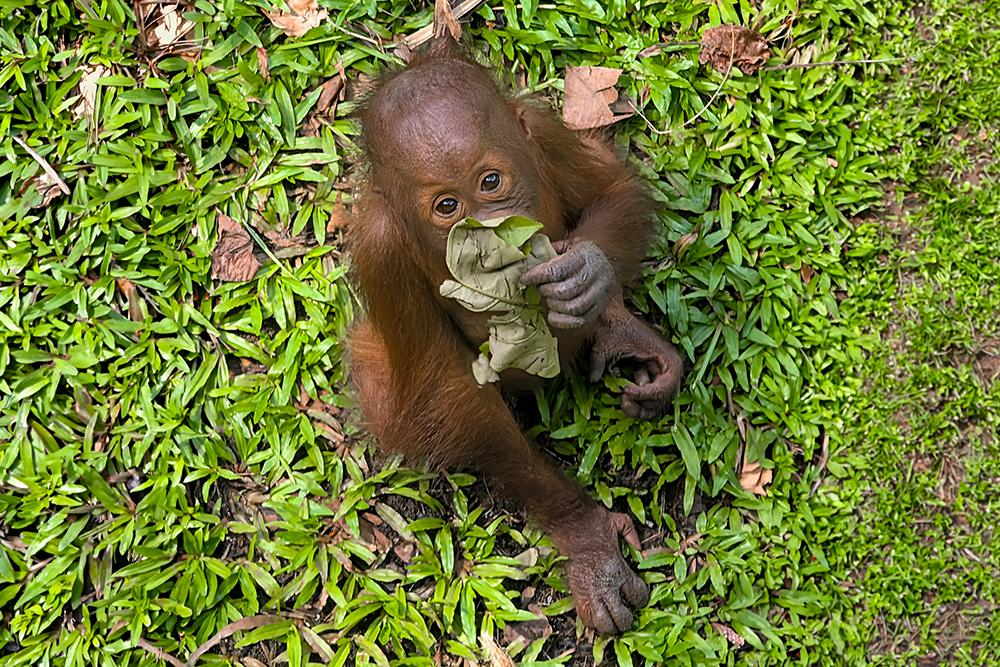
I spent two remarkable weeks volunteering on The Great Orangutan Project. It was memorable for many reasons: the friendships developed with fellow volunteers and staff, the relationships formed with the animals we saw every day, and the opportunity to contribute to conservation efforts at Matang Wildlife Centre. It is a place that brings you close to endangered wildlife, including orangutans, sun bears and many other species, while introducing you to the people dedicated to protecting them.
I would wholeheartedly recommend this orangutan volunteer experience. You can do it at any age! If you decide to travel to Borneo to volunteer, I would also encourage you to explore Sarawak’s national parks and communities. They are an important part of what makes this such a special place.