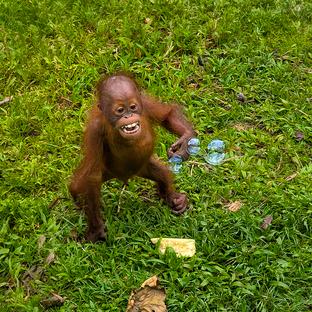
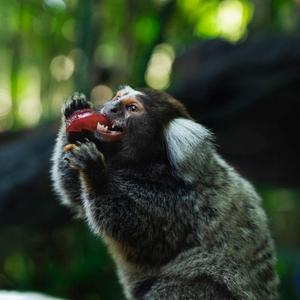
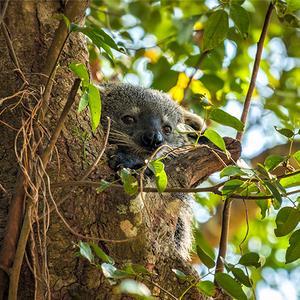



Scrolling through social media, you’ll likely see them within seconds: adorable clips of wild animals doing something unexpected. A baby monkey drinking from a bottle, a slow loris raising its arms as if asking for a hug, or big cats nuzzling into someone’s arm.
These viral animal videos attract millions of views and comments like “So cute!” or “I want one!” But behind the likes and shares lies a more complex question: do viral animal videos, and our interactions with them, fuel the exotic pet trade?
Jump to:
- How Viral Animal Videos Shape Wildlife Perception
- The Slow Loris: When Viral Animal Videos Have Real Consequences
- Punch the Monkey and the Risks of Viral Storytelling
- Social Media: A Risk or a Conservation Tool?
- From Viral Animal Videos to Wildlife Sanctuaries
- Rethinking Viral Animal Videos and Our Interactions with Them
- Turning Viral Interest Into Real Impact
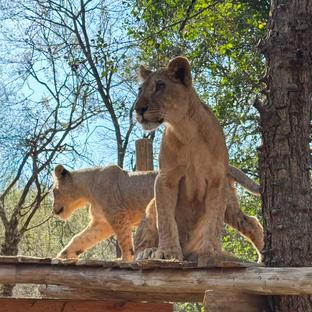
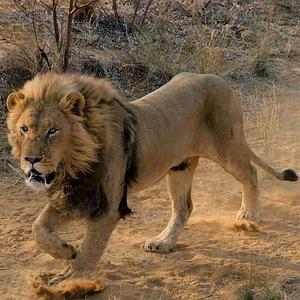
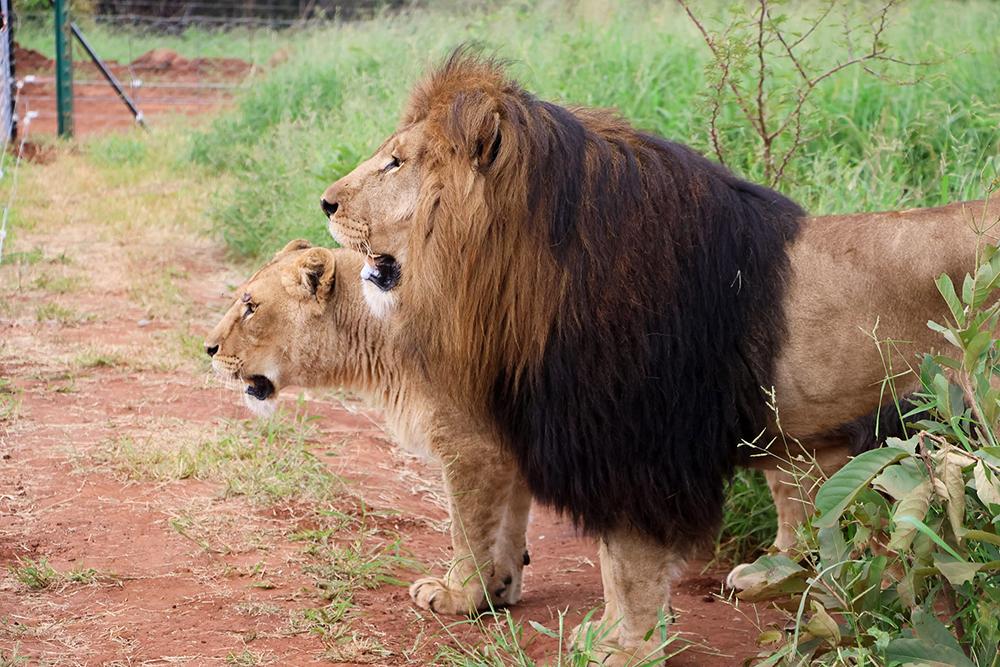
For conservationists and wildlife organisations, the answer isn’t always straightforward. Here at The Great Projects, we partner with sanctuaries around the world that care for animals rescued from trafficking and the exotic pet trade. Many of these animals were once kept as pets, often influenced by seeing similar captive situations. In some cases, wildlife is even used directly for content, such as when SanWild Sanctuary & Reserve relocated two lions from France after they were abandoned as cubs following their use in a rapper’s music video.
World Animal Protection reported back in 2022 that wild animals kept as pets are suffering for ‘likes’ on social media, with online content helping to normalise exotic species as pets and increase demand. This isn’t a thing of the past; cases like this are still happening today. So it’s worth exploring what, if anything, we can do differently as viewers.
How Viral Animal Videos Shape Wildlife Perception
Social media has transformed how we experience wildlife. Instead of documentaries or tourist sightings in the wild, people now consume short, engaging clips of animals interacting closely with humans every day.
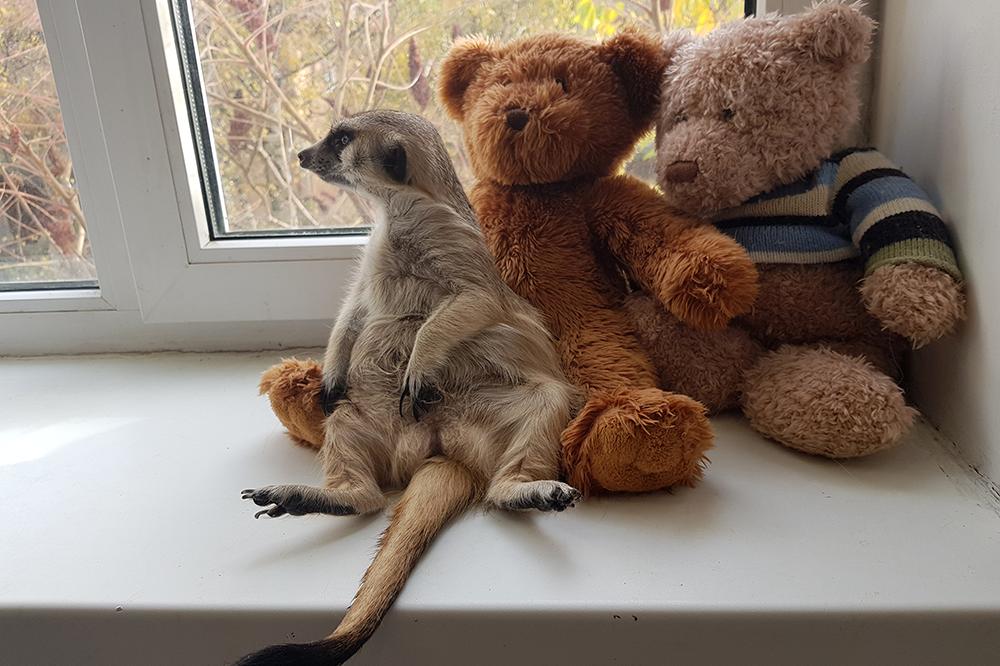
When animals appear calm, affectionate, or playful in these clips, it can create the impression that they are comfortable in human environments. In reality, many species featured in viral animal videos, especially primates, are highly complex and not suited to life as pets. Research published in PLOS ONE found that viewers of specific viral primate videos were more likely to perceive them as suitable pets, highlighting how online content can directly shape attitudes towards wildlife.
This shift in perception is one reason conservation groups continue to link viral content and the exotic pet trade.
The Slow Loris: When Viral Animal Videos Have Real Consequences
One of the clearest examples of viral animal videos influencing wildlife exploitation is the case of the slow loris. Videos showing slow lorises being “tickled” and raising their arms spread rapidly online. Millions of viewers shared the clips, unaware they were witnessing an animal displaying a defensive response.
What many didn’t realise is that slow lorises are the world’s only venomous primate. To make them easier to handle, traffickers often remove their teeth, a painful and frequently fatal process.
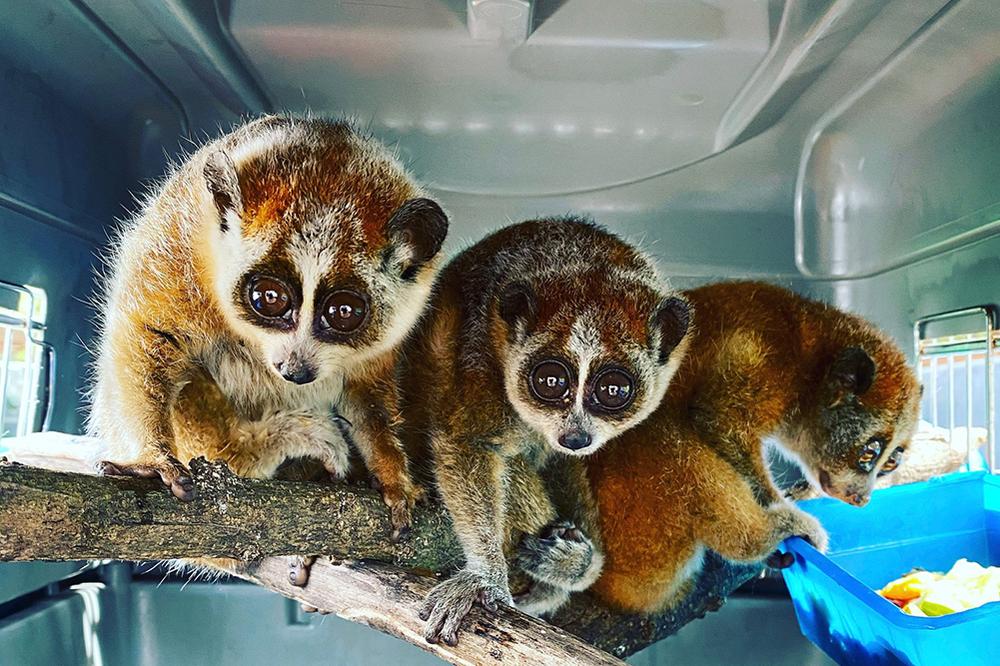
As these videos spread, conservation organisations noticed a rise in interest in owning slow lorises. More were poached to use in tourist selfies and sold in markets as pets, similar to the slow lorises cared for at the Laos Wildlife Sanctuary.
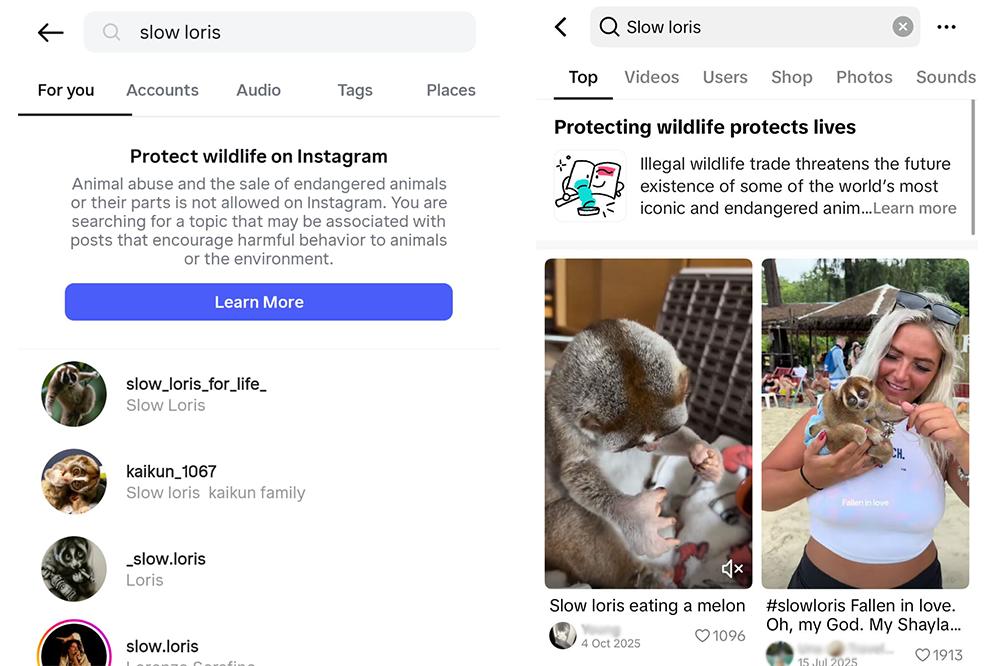
While platforms like Instagram and TikTok now remove or display warnings when users search for slow loris content, these types of videos are still available to watch, and other species, including sloths and monkeys, are facing similar exploitation. Even with the restrictions, studies show primate content does increase ownership interest.
Punch the Monkey and the Risks of Viral Storytelling
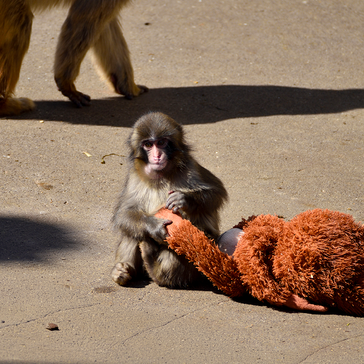
The young Japanese macaque, Punch the monkey, captured global attention after being rejected by his mother at the Ichikawa City Zoo. Hand-raised by keepers and comforted with a plush orangutan toy, his difficult integration into the troop quickly went viral.
“Punch fever” followed, with many viewers outraged by what they perceived as ‘bullying’ by the other macaques. This reaction highlights a wider issue that also adds fuel to the illegal pet trade: when we anthropomorphise animals (giving them human behaviours and emotions), we risk misinterpreting natural behaviours. The latest is that Punch has found love, bonding with another macaque, the internet has dubbed his girlfriend. This is where even nice viral content becomes risky, when emotional reactions blur reality and begin to shape how people value and interact with wildlife.
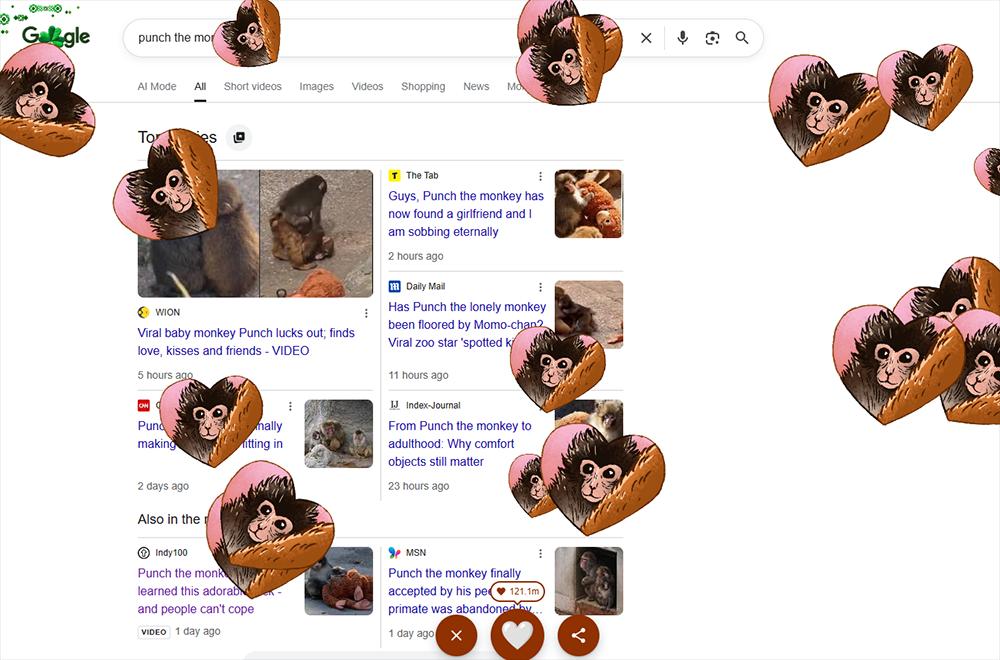
The initial virality sparked extreme responses, with controversial and sadly influential figures such as Tristan and Andrew Tate reportedly offering $250,000 to buy him, demonstrating how quickly online attention can translate into real-world demand.
Punch’s close bond with his caretaker became another focal point, with clips showing Punch clinging to him when he entered the enclosure. While compelling, these moments can unintentionally suggest primates thrive in human care and that these bonds are better for them than being with their own species, when in reality, the opposite is true.
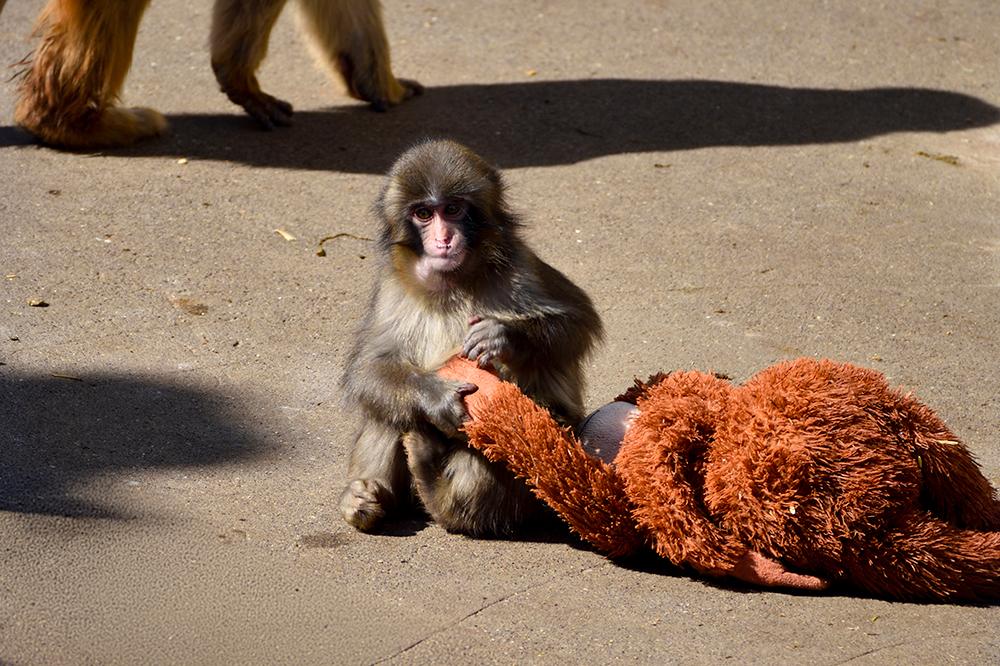
Organisations like the Born Free Foundation warn that primates are unsuitable as pets, with many experiencing significant psychological distress and behavioural issues in unregulated captivity. This leads to many being abandoned or surrendered. For sanctuaries, viral moments like this can result in a lifetime of complex care, turning feel-good content into long-term consequences.
Social Media: A Risk or a Conservation Tool?
Social media isn’t inherently harmful; it can be a powerful driver of conservation awareness. When used responsibly, it can showcase rescue stories, highlight conservation efforts, and inspire people to protect wildlife rather than buy it or be pictured with it.
The real challenge lies in how animals are presented. When wildlife is portrayed as entertainment or as a novelty, it blurs the line between admiration and exploitation. Even figures like the late Jane Goodall and her institute have adapted their approach. Following guidance from the International Union for Conservation of Nature, close-contact imagery with chimpanzees is now limited or shared with context to avoid reinforcing harmful perceptions.
From Viral Animal Videos to Wildlife Sanctuaries
Wildlife sanctuaries around the world, including those we partner with, provide vital care for animals rescued from the exotic pet trade, some of which have even featured in online content. While some individuals can be rehabilitated and eventually released into protected habitats, others require lifelong care due to lasting behavioural impacts of captivity or being taken from the wild, often at a very young age.
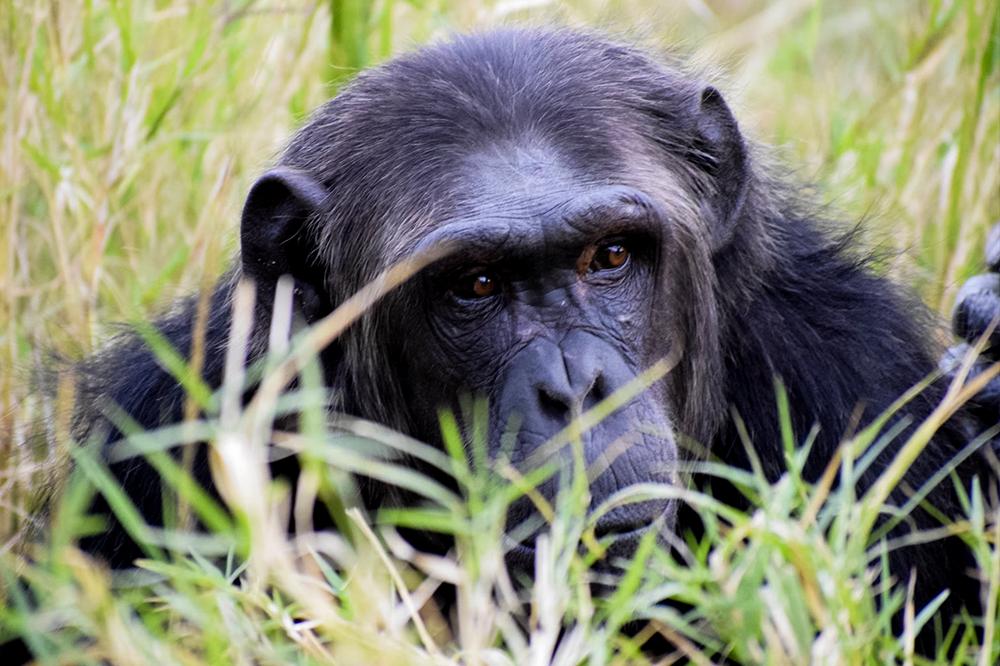
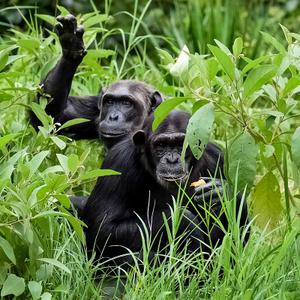
Many of the chimpanzees at Chimp Eden - The Jane Goodall Institute were kept as pets and represent the long-term consequences of demand, often shaped by how wildlife is portrayed in viral animal videos. Zeena is one example of how a primate can suffer as a pet, even when the owner is well-meaning. You can read her story in our blog, Before and After: Life at Chimp Eden.
Rethinking Viral Animal Videos and Our Interactions with Them
Viral animal videos may last only seconds, but their influence can be far-reaching. By being more mindful of the content we engage with, questioning how animals are portrayed and avoiding videos that show wildlife in unnatural or exploitative situations, we can help shift perceptions in a positive direction.
A video that goes viral overnight could spark consequences of the exotic pet trade that can last a lifetime. So, before liking or sharing a video, it’s worth questioning how or whether it helps the species.
Turning Viral Interest Into Real Impact
The global fascination with wildlife isn’t the problem; it’s what we do with it that matters. One of the most meaningful ways to channel that interest is through ethical wildlife volunteering. By supporting responsible sanctuaries, you can contribute directly to animal care, habitat protection, and conservation education.
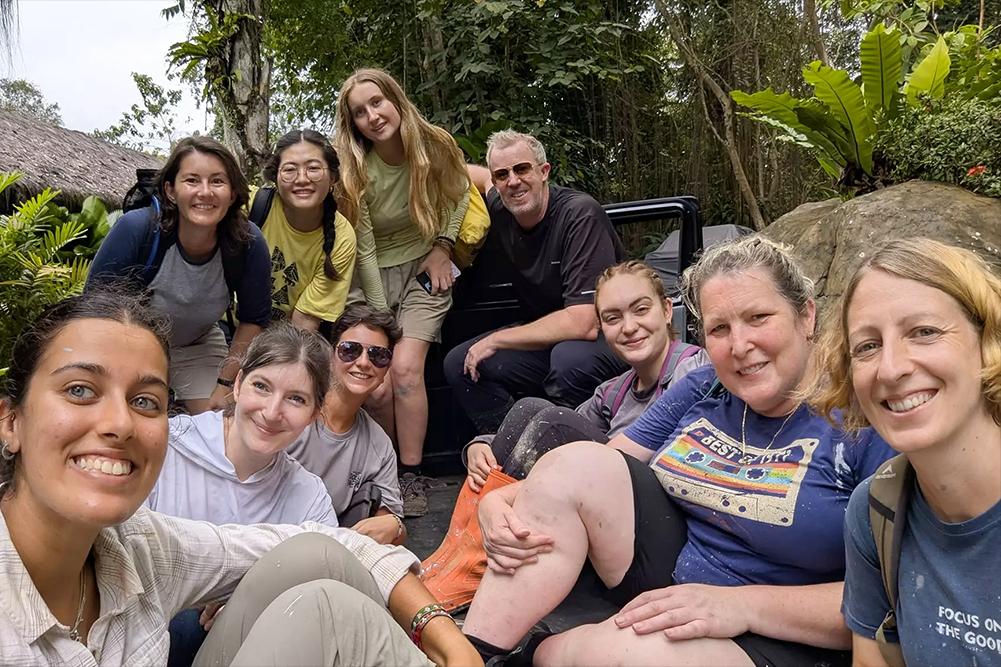
At The Great Projects, we work with carefully selected sanctuaries where volunteers play a genuine role in supporting rescued wildlife. These experiences prioritise animal welfare and education, helping promote understanding of why wild animals should never be kept as pets.
We all enjoy viral animal videos, especially when they show animals being cared for, but supporting ethical programmes, like those featured in our upcoming Best Sanctuaries to Volunteer in 2026 Article, is a far more meaningful way to make a positive impact.