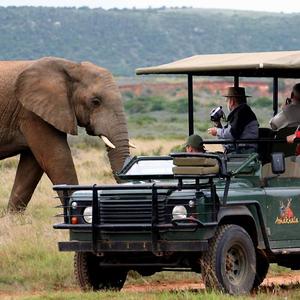
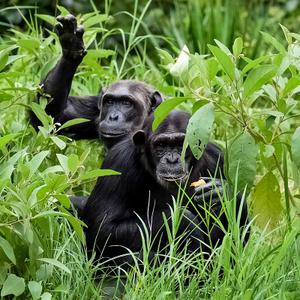
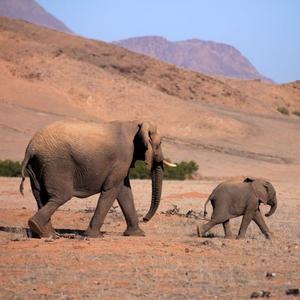
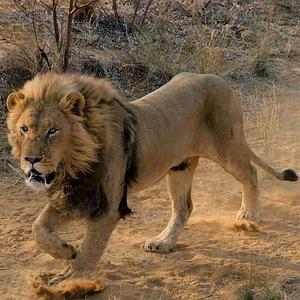
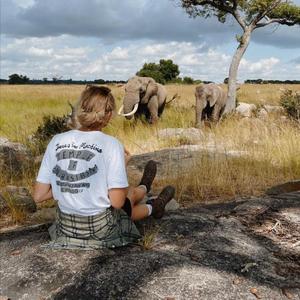

Packing for a volunteering trip in Africa isn’t quite the same as packing for a holiday. You’re not heading off with a pool towel and three outfit changes a day; you’re joining a conservation project, often in remote locations, where practicality wins every time.
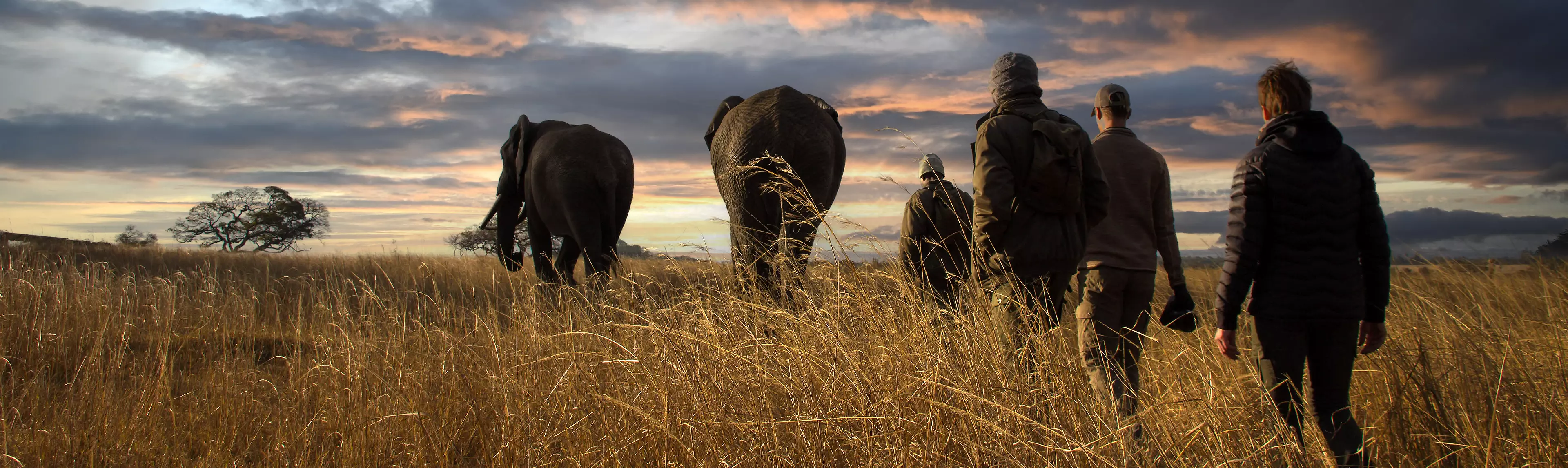
Whether you’re tracking wildlife on foot, helping with marine surveys, or hiking through rainforest in search of gorillas, what you pack can make the difference between an unforgettable experience… and a very uncomfortable one.
This guide breaks down the essentials for packing for a wildlife conservation volunteering trip in Africa, with tailored advice for different environments, covering wildlife projects, marine adventures, Big Five safaris, and gorilla trekking. Think of it as your essentials-only Africa volunteering packing list, and with a number of conservation volunteer trips under my belt, let me be your guide!
Jump to:
- The Golden Rule of Packing for Volunteering in Africa
- Core Packing List for Wildlife Conservation Volunteering
- Clothing (Field-Ready, Not Fashion-Forward)
- Footwear (Arguably the Most Important Bit)
- Practical Essentials You’ll Actually Use
- Health & Personal Items
- Tech & Documents
- Packing for Specific Conservation Projects
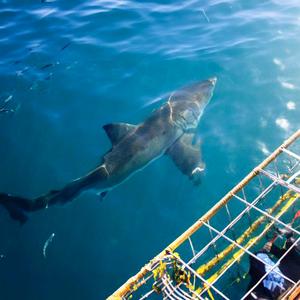
- Marine Conservation, Diving & Snorkelling Projects
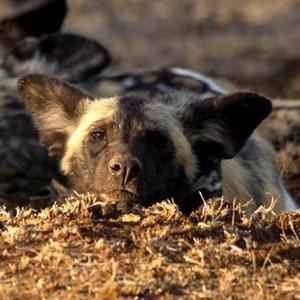
- Big Five Safaris & Savannah Volunteering
- Gorilla Trekking & Rainforest Volunteering
- What Not to Pack
- Extra Tips to Make Life Easier
- For Those Who Still Like to Look Good
- Book Your Trip and Get Your Packing List
The Golden Rule of Packing for Volunteering in Africa
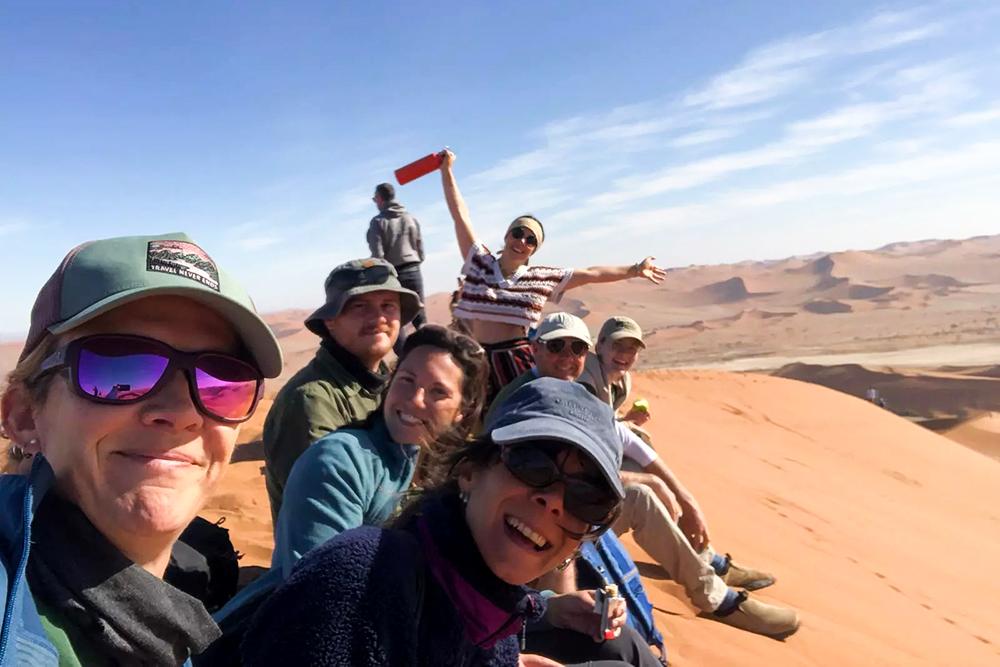
Less is more, but smart is everything.
On most conservation projects, you’ll likely find:
- Limited luggage space
- Basic laundry facilities
- A strong preference for neutral, practical clothing
Think less “options”; more durable, breathable, repeat-wearable essentials.
The Essentials Mindset
Conservation work is hands-on, outdoors, and occasionally messy. Your packing should reflect that. Comfort, durability, and practicality are key; everything else is just fluff.
Think of this as your essentials-only survival guide. When you’re deep in the bush, underwater, or trekking through the forest, the last thing you want is regret in the form of wet socks or sunburn.
Core Packing List for Wildlife Conservation Volunteering
Clothing (Field-Ready, Not Fashion-Forward)
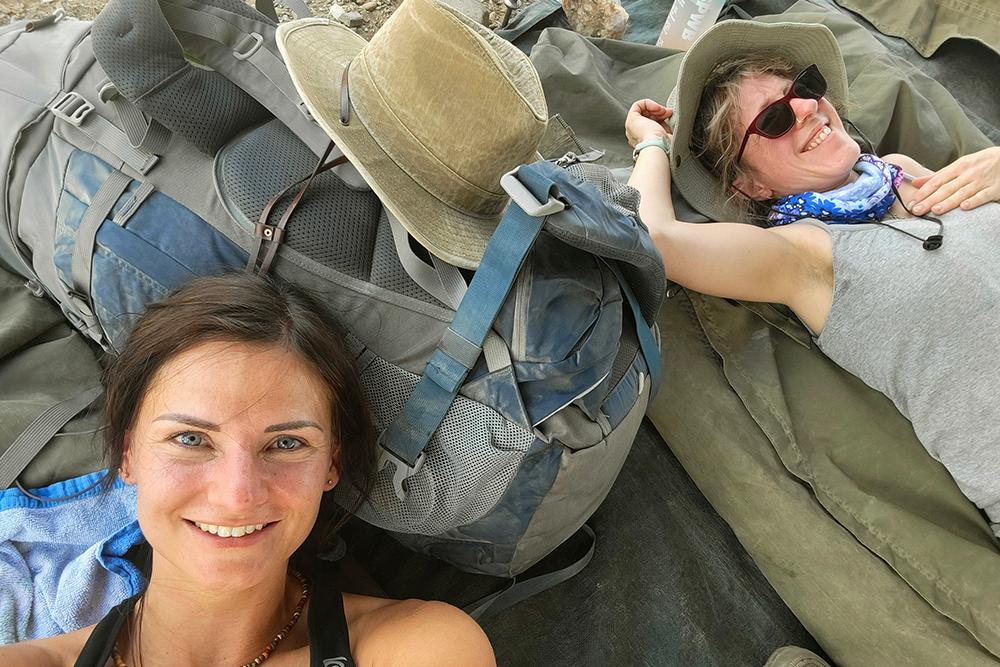
- Lightweight, long-sleeved tops (neutral colours)
- Layering t-shirts, shirts, and light jumpers
- Quick-dry trousers (zip-off legs can be handy)
- A warm layer or two (early mornings can be cold, even in Africa)
- Waterproof jacket or poncho
- Comfortable field shorts (project-appropriate)
- Sleepwear
- Underwear and socks (bring more than you think, nobody likes wet or dusty socks)
Colour tip:
Stick to khaki, green, brown, and grey. Bright colours and white don’t age well in the bush or around wildlife.
Footwear (Arguably the Most Important Bit)
- Well-worn hiking boots or trail shoes
- Lightweight trainers or sandals for downtime
- Flip flops (essential for shared showers)
Never bring brand-new boots. Your feet will not forgive you.
Practical Essentials You’ll Actually Use
- Reusable water bottle (ideally not plastic!)
- Head torch or flashlight: Your phone might do the trick, but it’s always nice to have a backup
- Small daypack
- Sunglasses
- Wide-brimmed hat or cap
- Insect repellent (DEET or equivalent)
- High-SPF sunscreen
- Basic toiletries (bonus points for eco-friendly products)
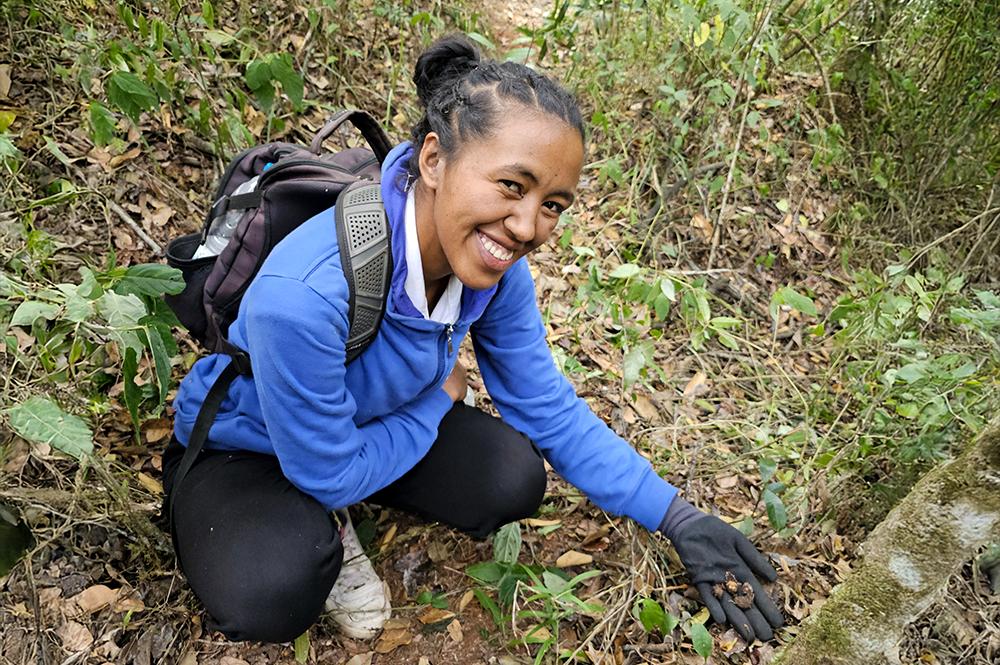
Health & Personal Items
- Personal medications
- Small first aid kit (plasters, blister care, pain relief)
- Hand sanitiser & wet wipes (usually come in handy)
- Travel towel
- Earplugs (very person-dependent)
Tech & Documents
- Passport & copies
- Travel insurance
- Project details & emergency contacts
- Phone, charging cables & power bank
- Universal travel adapter
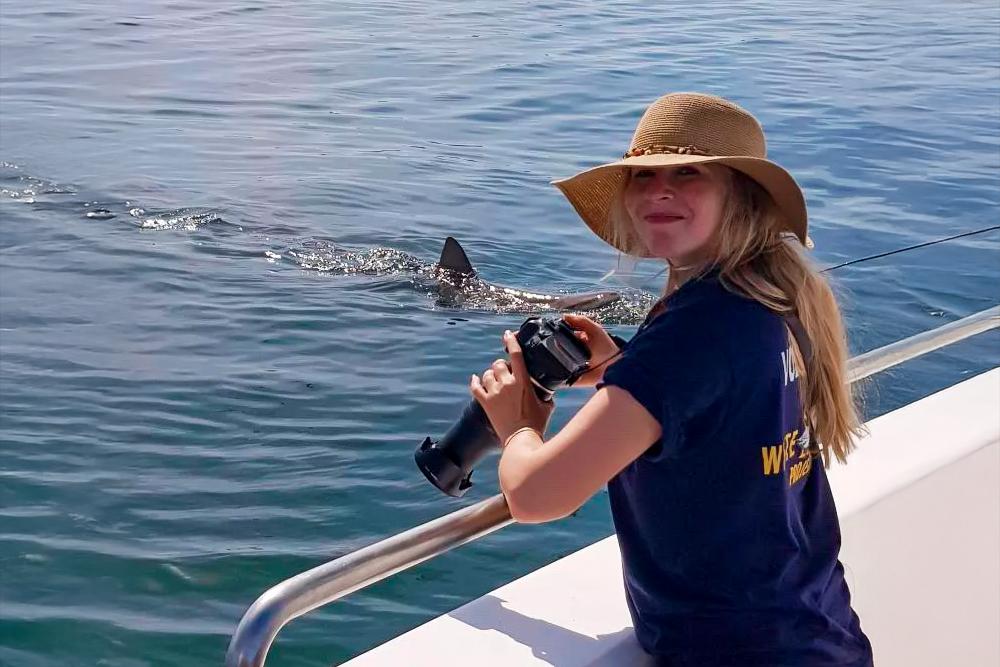
- Camera: Africa has some of the most iconic wildlife in the world, and you’re about to go behind the scenes in conservation
Packing for Specific Conservation Projects
Not all volunteering projects have the same wants and needs. Here’s what to add depending on your adventure type.
Marine Conservation, Diving & Snorkelling Projects
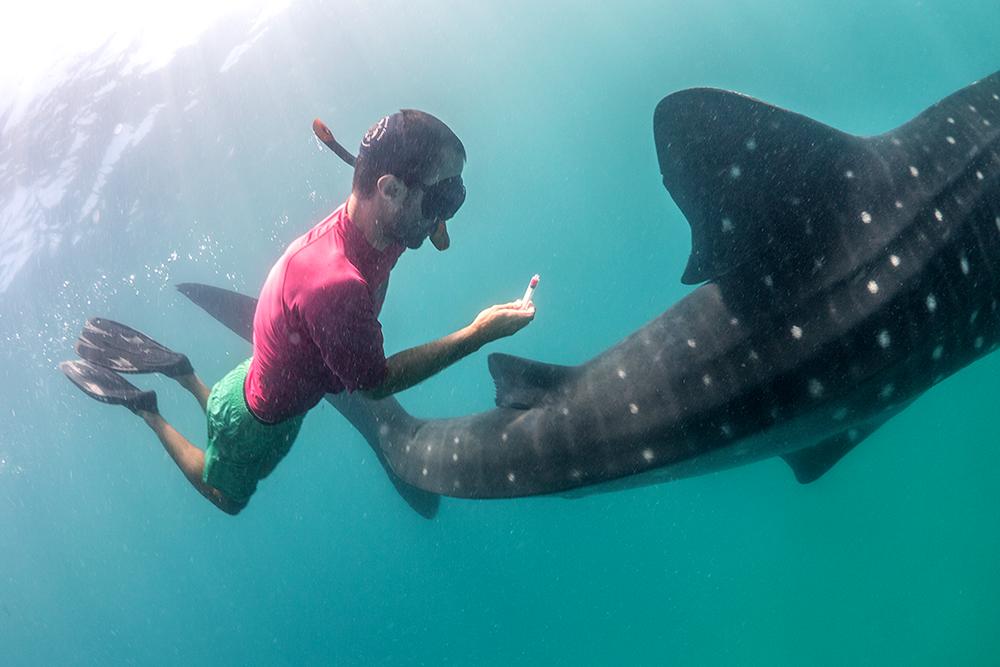
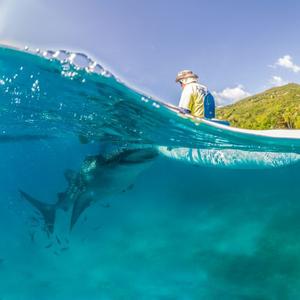
If you’re joining a marine conservation project, you’ll likely spend long days on boats, in the water, and on the beach.
Pack these extras:
- Reef-safe sunscreen (non-negotiable: you’re there to help, not hinder)
- Rash vest or UV top
- Swimsuits (at the very least two)
- Dry bag for valuables
- Snorkel mask (if not provided, or if you’d prefer your own)
- Anti-fog spray
- Motion sickness tablets
Some projects provide wetsuits and dive gear; always check before packing bulky items.
Big Five Safaris & Savannah Volunteering
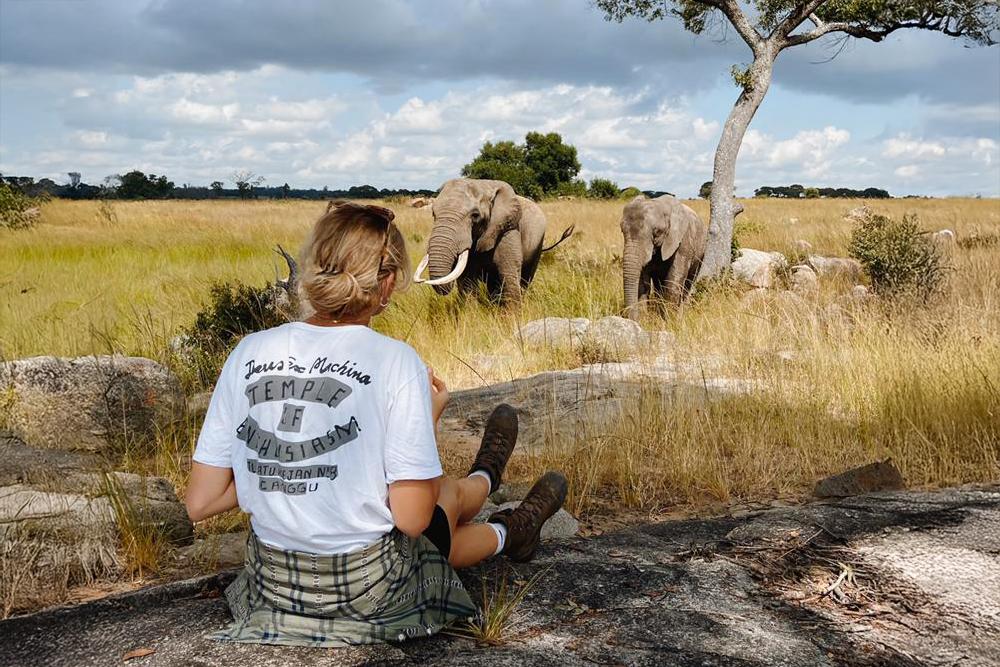
Think long drives, open landscapes, and intense sun exposure.
Extra essentials:
- Buff or scarf (for dust protection: not essential, but useful depending on personal comfort)
- Lightweight gloves for early morning drives
- Binoculars (not essential, but you may get a little jealous of the person who did bring them)
Neutral clothing is preferred in the bush, bright colours are widely avoided, and camouflage is a definite no-go.
Gorilla Trekking & Rainforest Volunteering
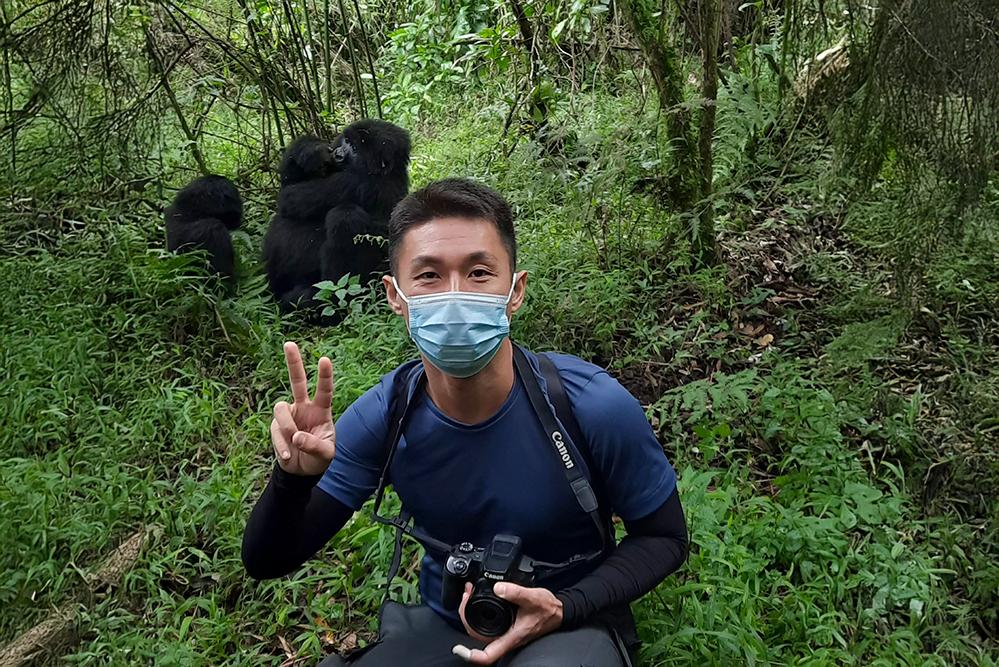
Rainforests demand a slightly tougher approach.
Add to your bag:
- Waterproof hiking boots with grip
- Long socks or gaiters (for mud and insects)
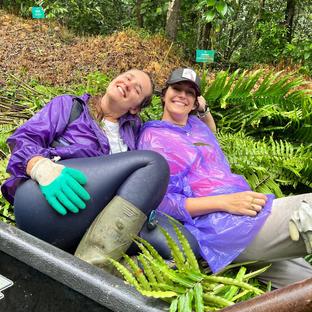
- Gardening or trekking gloves
- Long-sleeved layers for humidity, bites, and sun protection
- Lightweight rain trousers
Anything waterproof will be your best friend. It’s called the rainforest for a reason. You’ll be moving slowly, often uphill, and frequently in wet conditions; comfort beats everything.
What Not to Pack
- Expensive jewellery
- Excess makeup or hair tools
- Drones (often restricted)
- Too many clothes; you’ll almost definitely rewear the most comfortable items
- Strong perfumes or aftershave
If you’re unsure, don’t bring it. Your future self will thank you.
Extra Tips to Make Life Easier
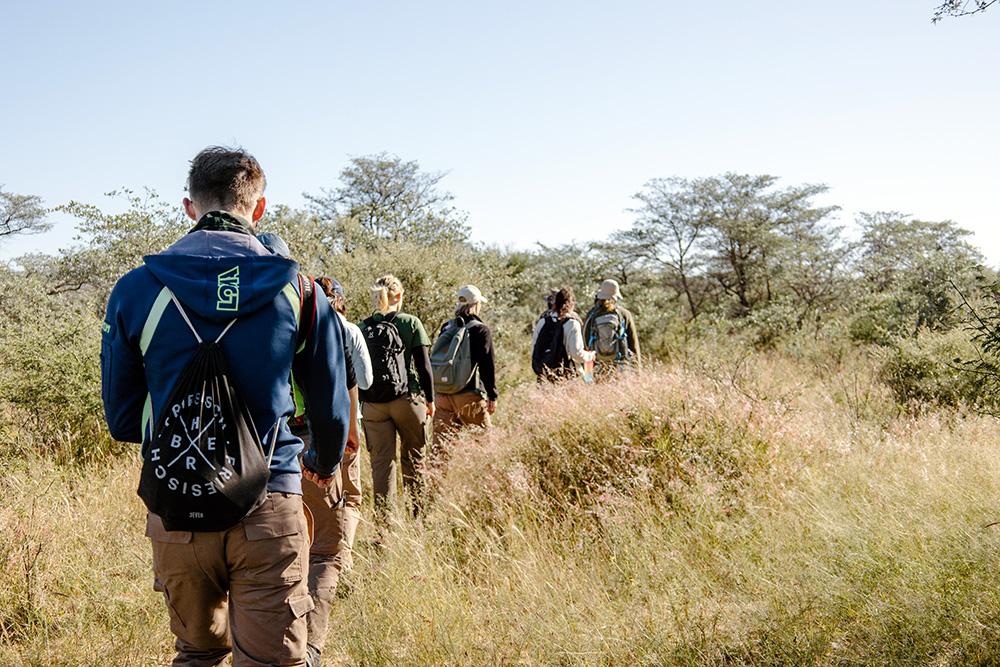
- Pack neutral and durable colours: wildlife researchers will thank you. Camouflage patterns are widely discouraged and, for some projects, forbidden altogether.
- Bring a small first aid kit, but don’t overdo it. Plasters and paracetamol can be lifesavers when minor scratches turn into mini dramas, but you won’t need to prep for surgery.
- Use layering: mornings can be cold, midday can be scorching, and evenings can surprise you either way.
- Lighten the load: every kilo counts on dusty trails and small boats.
- Lastly, and most importantly, let common sense guide you. If you’re really unsure, just ask; our experienced travel team is always happy to help.
For Those Who Still Like to Look Good
Yes, you can look good while volunteering, just keep it practical. Think safari-chic: breathable fabrics, muted tones, and maybe a cool hat or scarf. Your Instagram photos might thank you, but the wildlife won’t care at all. Comfort is key!
Book Your Trip and Get Your Packing List
When you book your conservation adventure with us, we’ll send you a ready-made packing list tailored to your project. No stress, no guesswork; just show up ready to make a difference.