Whale & Dolphin Conservation in Tenerife
Take to the Atlantic, track whales and dolphins, and contribute to real conservation research in one of Tenerife’s most important marine habitats!
Speak To A Travel Expert
Activities
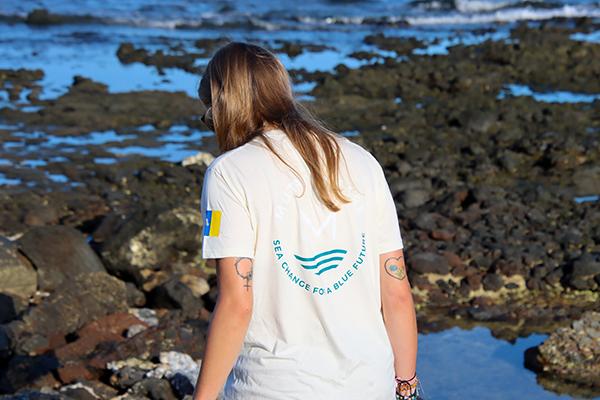
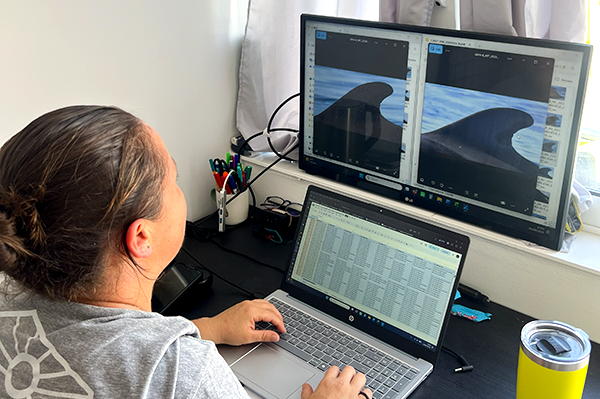
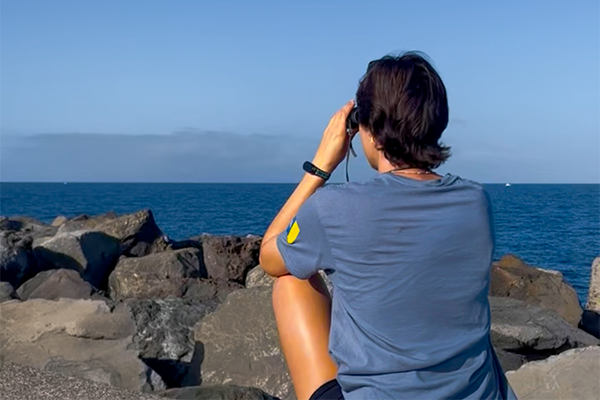
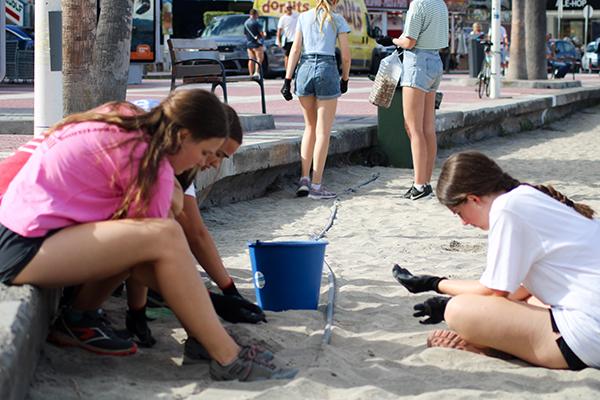
Itinerary
Day 1 - The Adventure Begins:
Upon arrival at Tenerife South Airport, you’ll be met by a project representative and transferred to your accommodation, roughly a 25-minute drive away. You'll settle in, meet the team and fellow volunteers, and get an introduction to the project and the work you'll do during your stay.
Day 2-13 - Project Days:
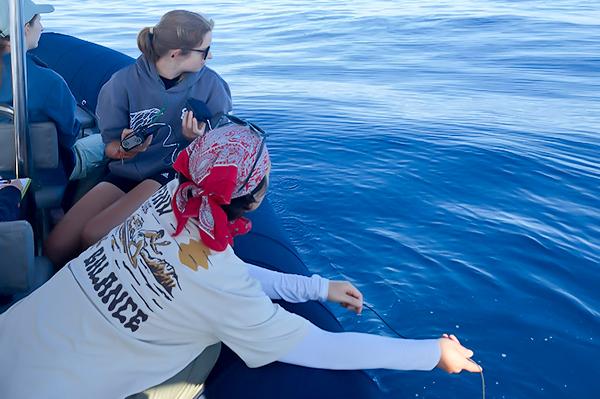
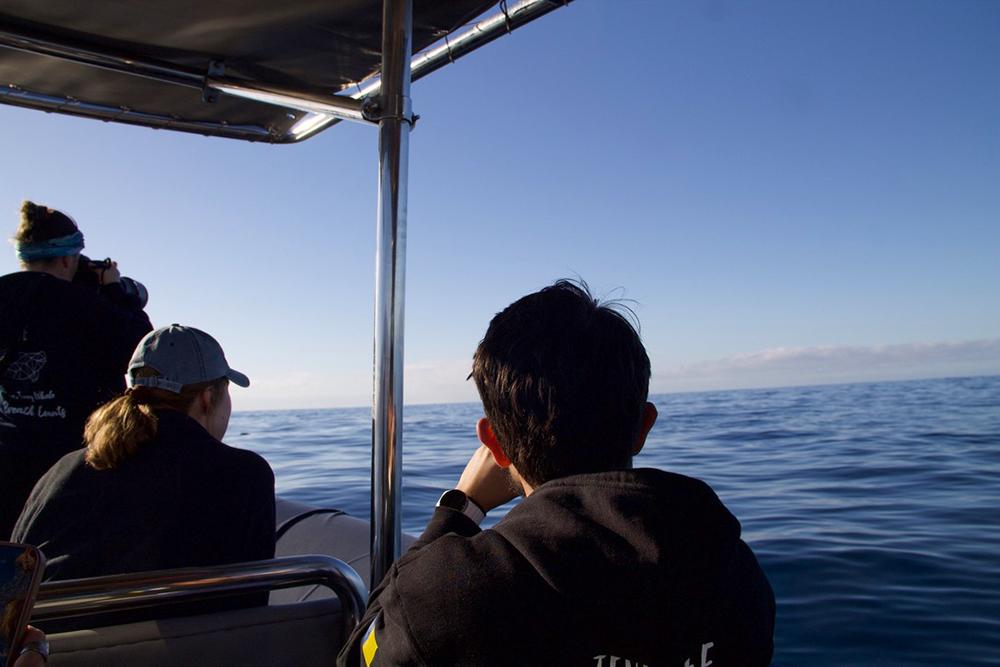
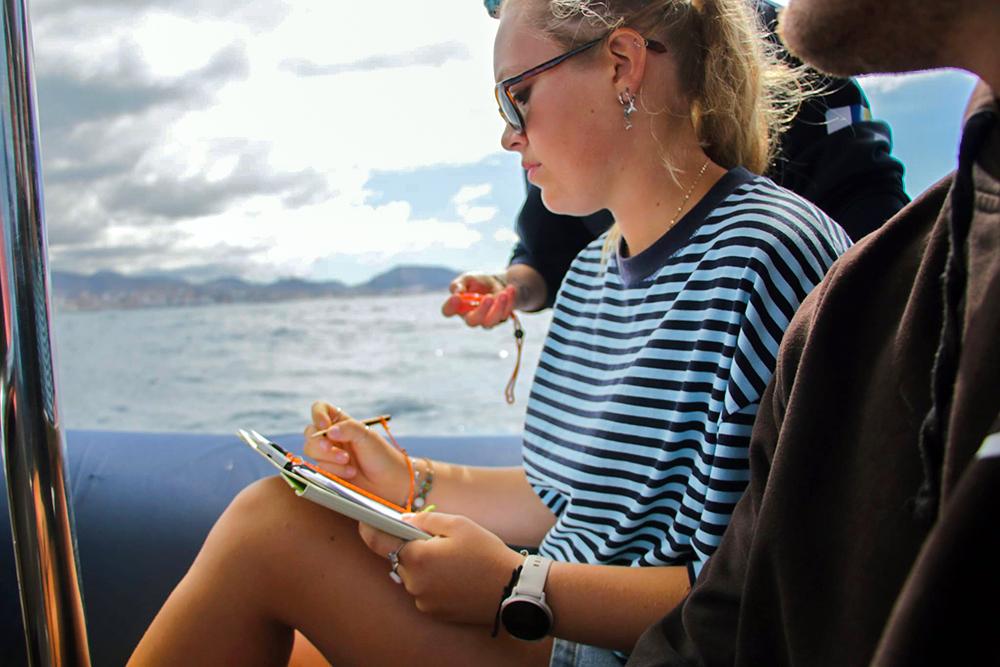
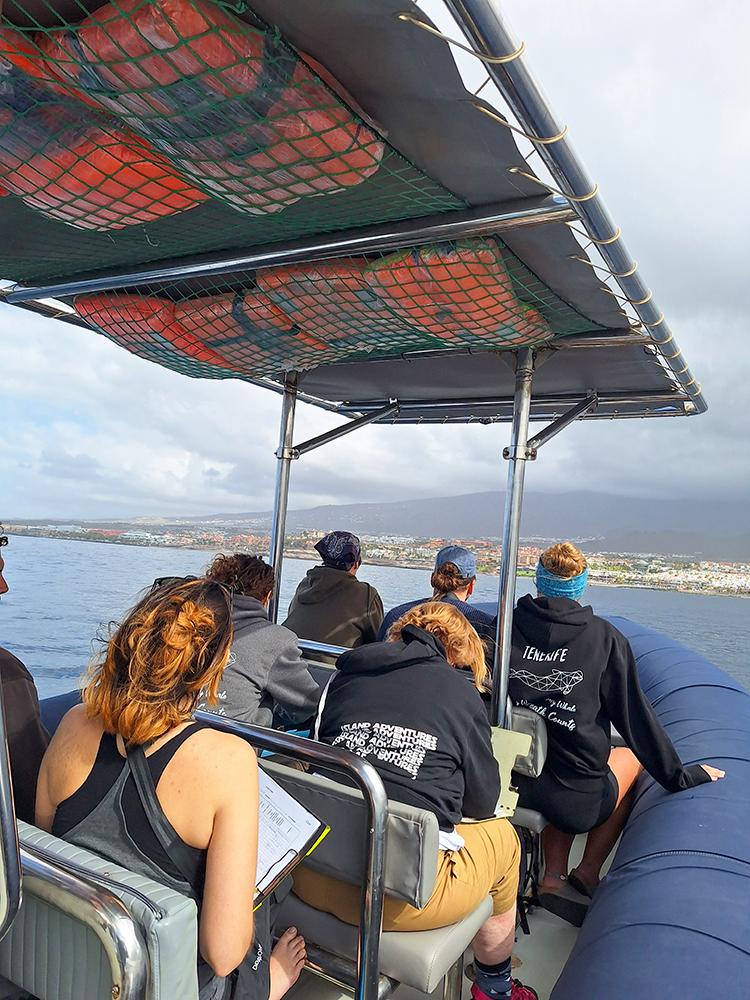
You'll spend your weekdays taking part in a mix of the activities listed. Three boat surveys are planned each week, depending on suitable weather and sea conditions. You'll also receive training in cetacean identification, data collection and photo-identification throughout your stay. Your weekends are free for you to explore Tenerife, from the volcanic landscapes around Mount Teide to the island's beaches, villages and coastal trails!
Day 14 - Final Day:
Sadly, today is your final day. Take a moment to watch the waves roll in one last time before saying your goodbyes. Then you’ll be transferred to the airport for your return flight or onward travel plans.
Durations & Prices
Accommodation


Volunteer Accommodation
You’ll stay in a relaxed hostel just a 15-minute walk from the beach, with local shops, cafés and other essentials only 5–10 minutes away. Your 4-6 person dormitory will be reserved for volunteers only, giving you a ready-made base to settle into project life, while you'll share the kitchen and bathrooms with other hostel guests. The project staff also stay in the hostel, so you’ll always have the project team close by for advice, questions, or anything you need during your stay.


Meals & Beverages
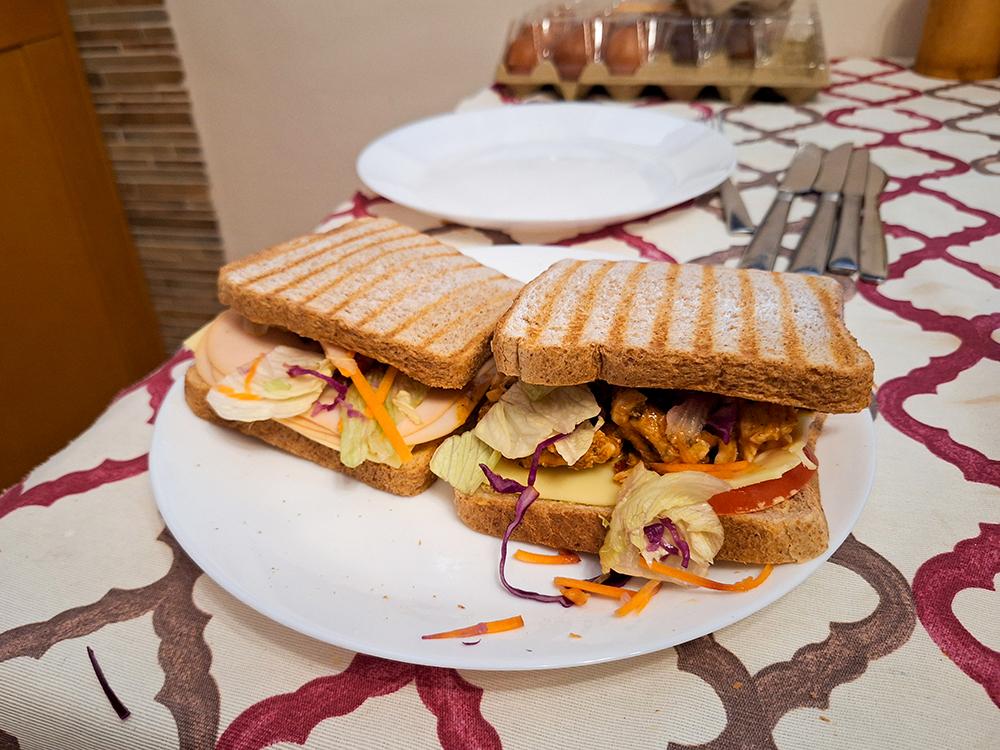
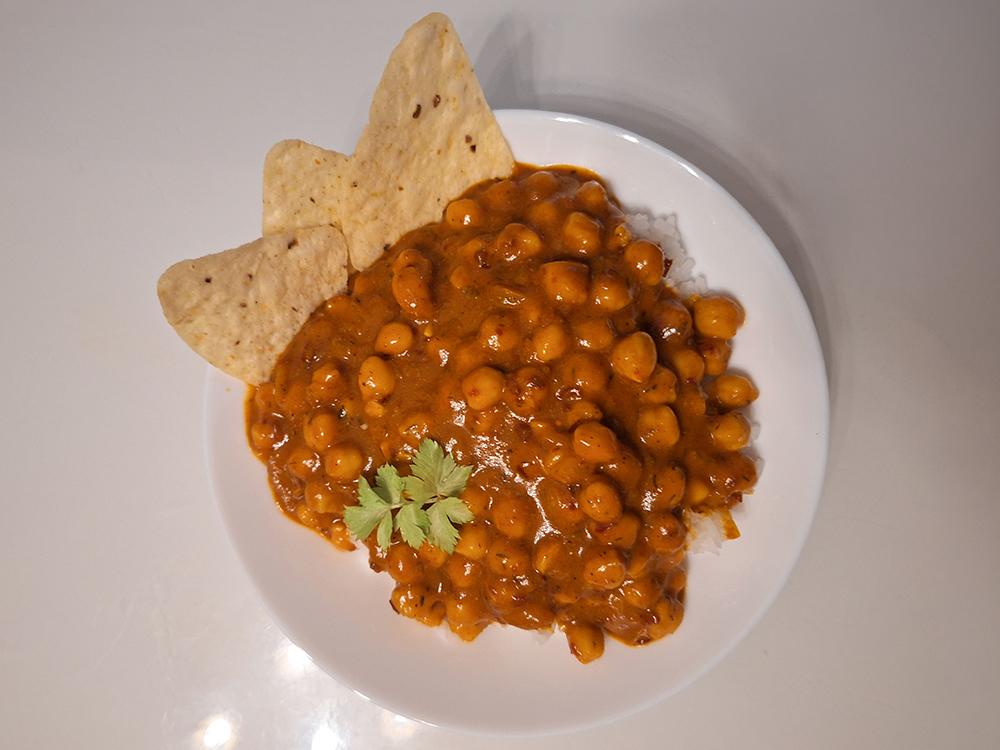
Meals are provided from Sunday dinner through to Friday lunch, with dietary requirements accommodated. Breakfast is self-service, with a selection of ingredients available in the kitchen for volunteers to prepare their own meal before heading out for the day. Lunch and dinner are shared responsibilities, with volunteers taking turns preparing meals using the project’s recipes and meal plans.
At weekends, you’ll have the freedom to explore Tenerife at your own pace. Discover the island’s local restaurants and cafés, or prepare a meal at the hostel using the communal food provided.
Project Details
WHEN IS THE BEST TIME TO VOLUNTEER?
This project runs year-round, so there’s no single best season to join. Tenerife has a warm climate and plenty of sunshine year-round, although rainfall varies slightly by season.
December to February: Winter is mild and mostly sunny, with highs of 20°C to 22°C and lows around 14°C to 15°C. December is one of the wetter months, with occasional short showers and cooler evenings.
March to May: Spring brings warmer temperatures, around 22°C to 24°C during the day and 15°C at night. Rainfall decreases considerably, and you can expect around eight hours of sunshine a day, often with gentle sea breezes.
June to August: Summer is hot and dry, with clear skies and very little rainfall. Daytime temperatures typically reach 26°C to 29°C, with overnight lows around 20°C. August is usually the warmest month, and occasional calima winds can bring hot, dusty air from the Sahara.
September to November: Autumn remains warm and pleasant, with highs of 24°C to 27°C and lows around 18°C. September and October are particularly popular for swimming, when the sea can remain around 24°C. Rainfall begins to increase slightly towards the end of November.
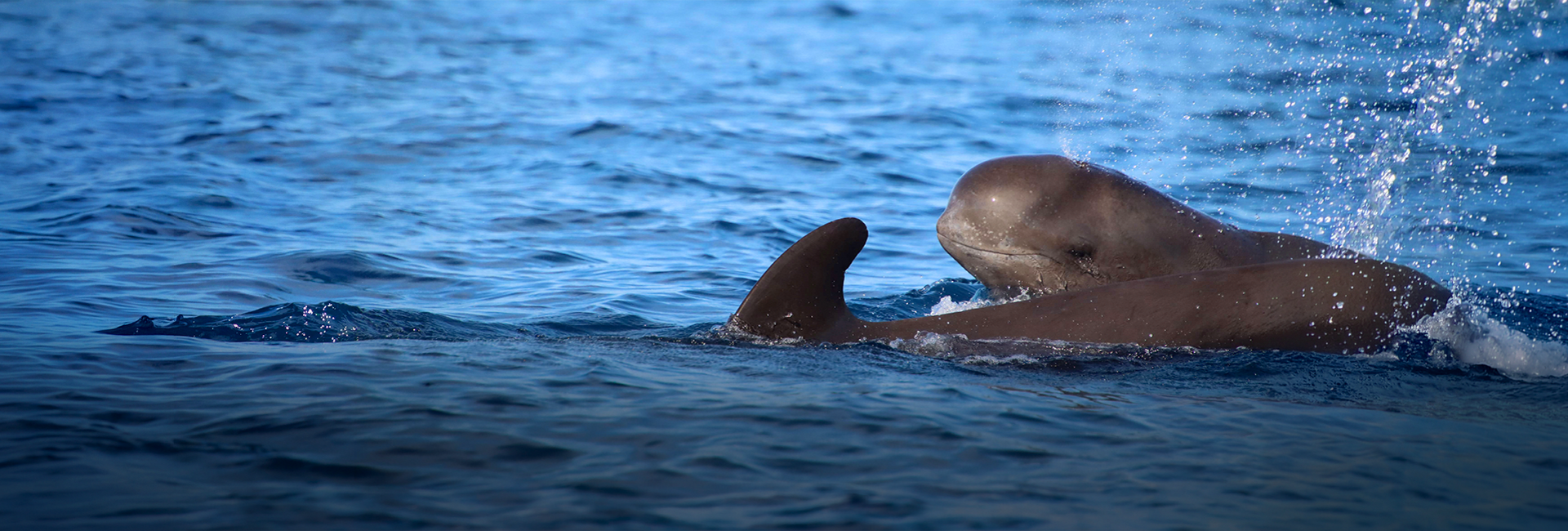
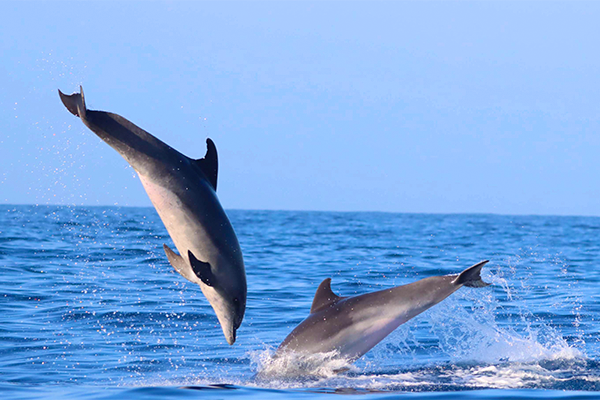
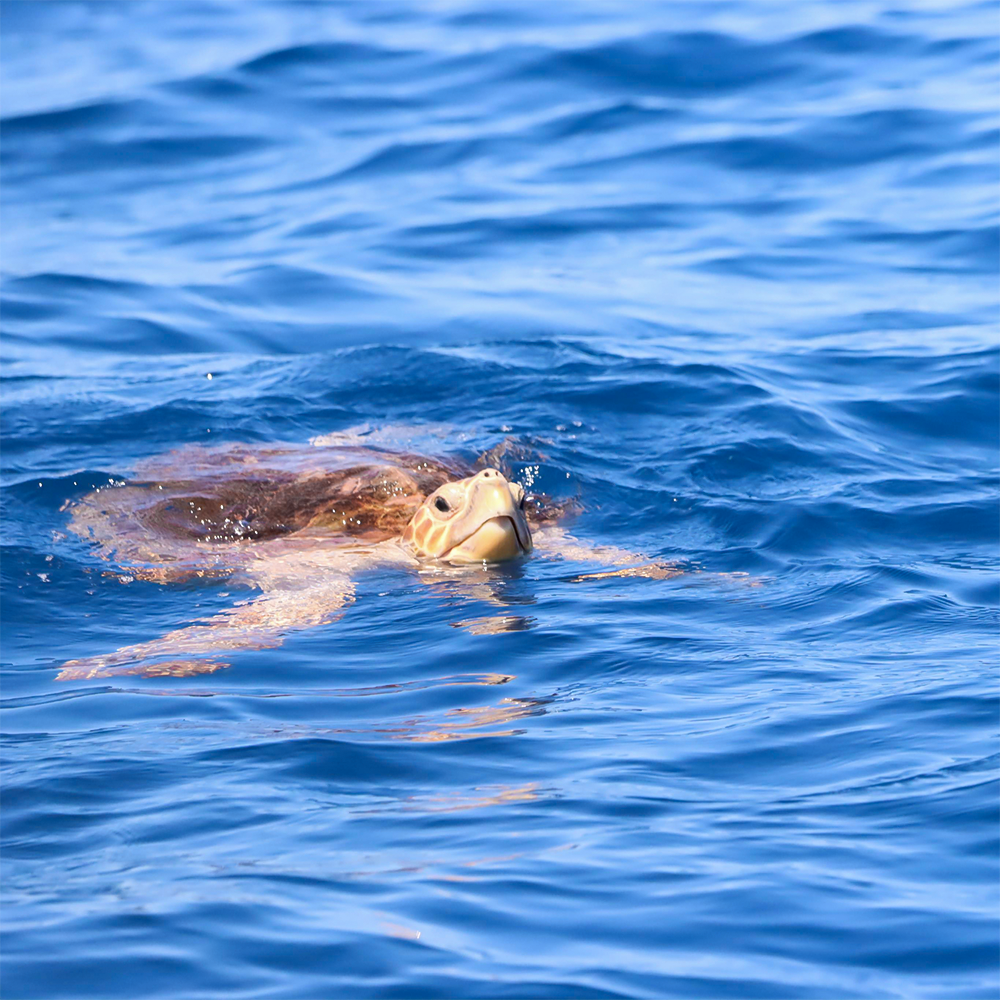
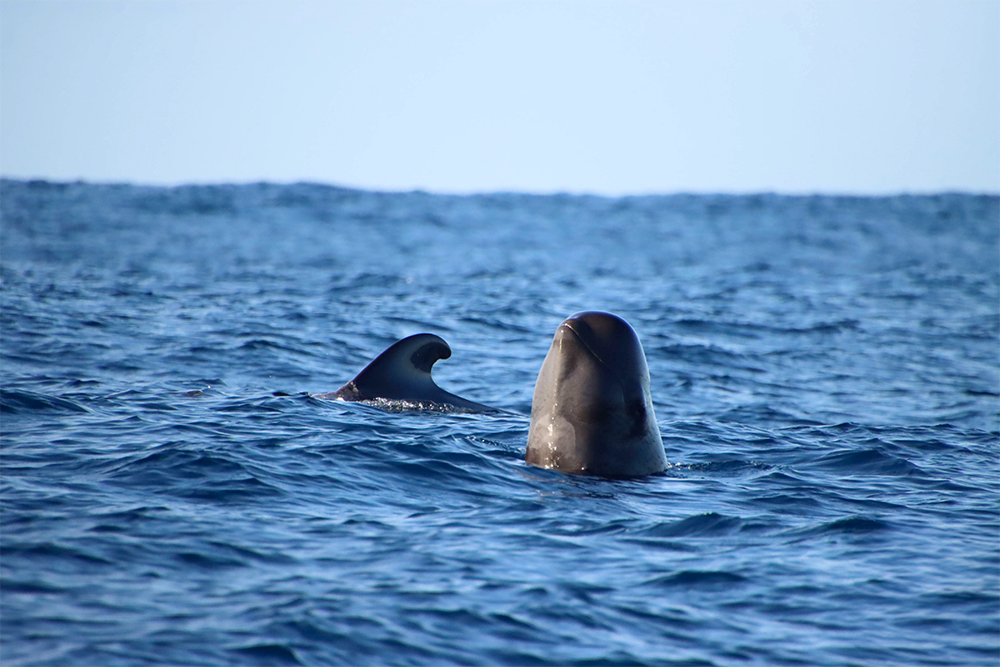
The marine environment changes throughout the year, too, so the species encountered during surveys will always depend on natural conditions. Short-finned pilot whales and bottlenose dolphins are among the resident species the team studies, while the waters around Tenerife are also visited by Atlantic spotted dolphins, rough-toothed dolphins, striped dolphins, sperm whales, Bryde’s whales and other cetaceans.
GETTING THERE
You’ll need to arrive at Tenerife South Airport (TFS) between 8am and 3pm on your project start date. A project representative will meet you at the airport and transfer you to your accommodation, which is approximately a 25-minute drive away.
VISA REQUIREMENTS
UK, EU, US, Canadian and Australian citizens do not need a visa in advance for stays of up to 90 days. If you’re travelling from another country, please check the latest entry requirements with your local Spanish embassy or consulate before travelling.
REQUIREMENTS TO JOIN
To join this project, you'll need to provide a criminal background check. In the UK, this is known as a DBS check and costs £21.50. You can apply for a copy of your criminal record through the UK Government website.
For international participants, we recommend obtaining a criminal background check through your local police station or an official government authority.
If you have any past unspent convictions, please inform us before booking, as we may need additional information.
Medical Requirements
There are no specific medical requirements to take part; however, all volunteers must complete a medical form before joining. If you have a medical condition, have recently had surgery, or have sustained an injury that could affect your ability to participate safely, please contact us before booking so we can confirm the project is suitable for you.
FITNESS & SKILLS
No previous experience or specialist skills are required. You’ll be trained in the research methods you’ll use during the project, so what matters most is a willingness to learn, work as part of a team and get involved.
As some activities take place on research boats, being comfortable on the water is an advantage.
VACCINATIONS
No specific vaccinations are required to join this project. However, we recommend speaking to your GP, doctor or a travel clinic before travelling to check whether any routine or travel vaccinations are recommended for you.
Gallery




 Download Project Guide
What's Included
- Accommodation
- All meals as stated
- Airport transfers
- Conservation donation
- All activities
- Project T-shirt
What's Not Included
- Flights
- Travel insurance
- DBS or equivalent background check
- Visas (if necessary)
From
$1,344.00€840.00£700.00$946.00
-
Up to 8 Persons
-
All Meals Included
-
6 - 83 Nights
-
Sundays
-
Minimum Age 18