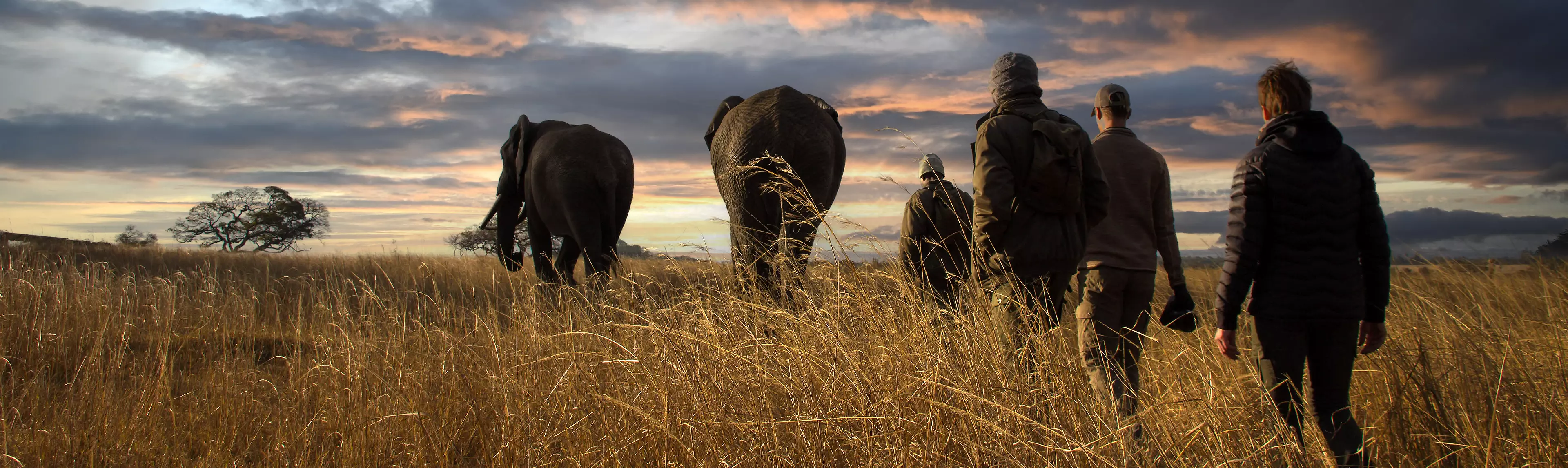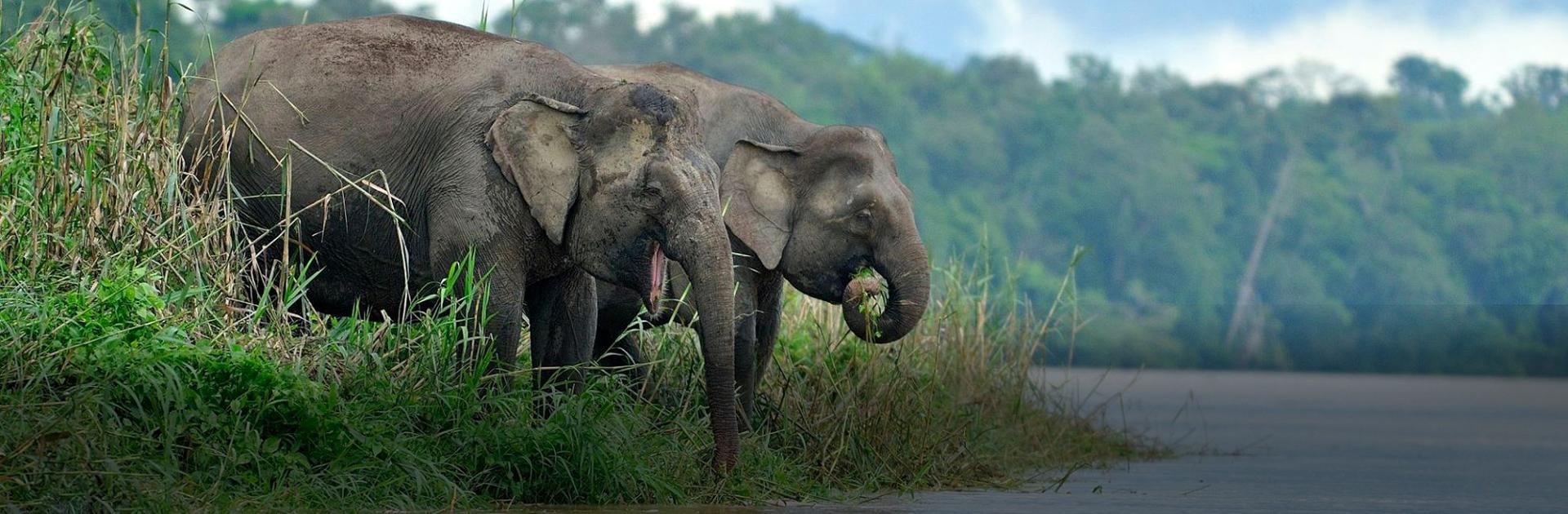
The Great Orangutan and Pygmy Elephant Project
Help to restore Borneo’s rainforest and provide a safe home for wild orangutans and pygmy elephants.
Speak To A Travel Expert
Activities
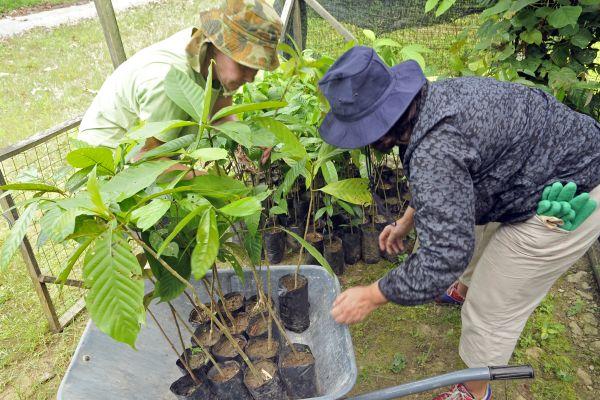
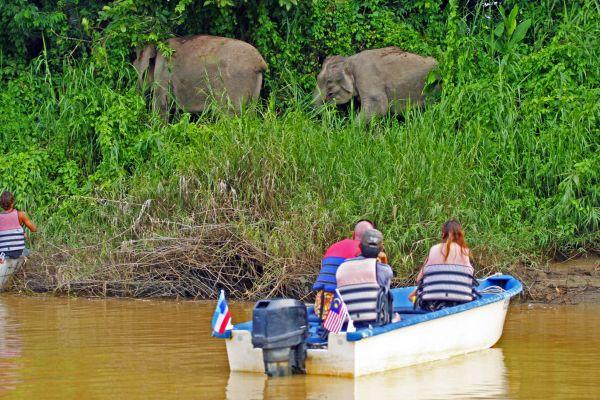
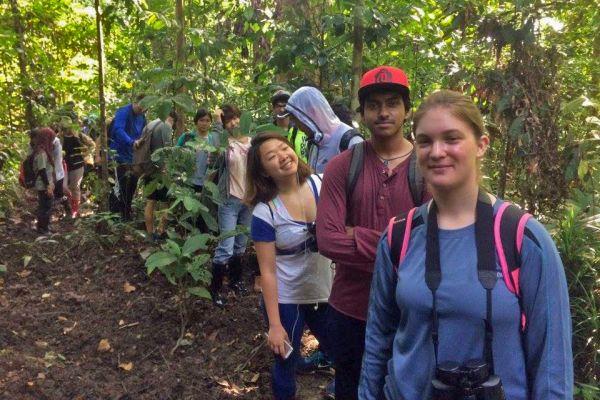
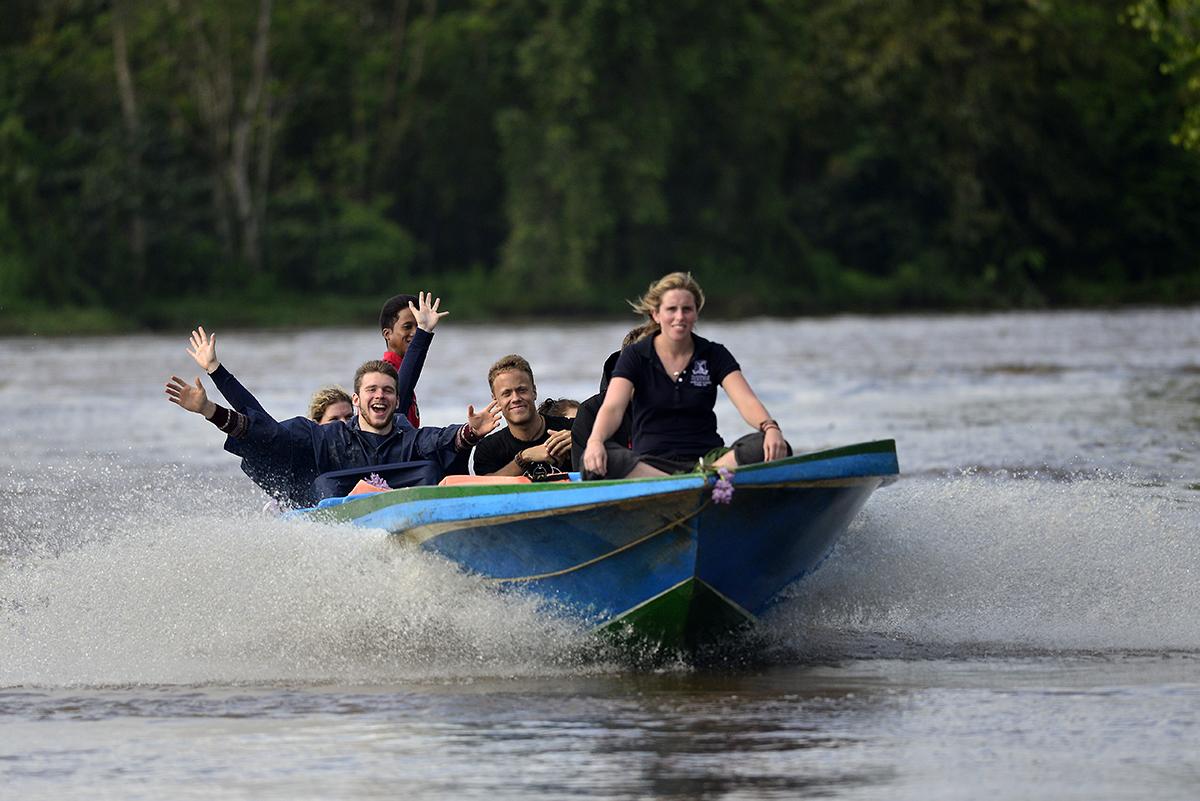
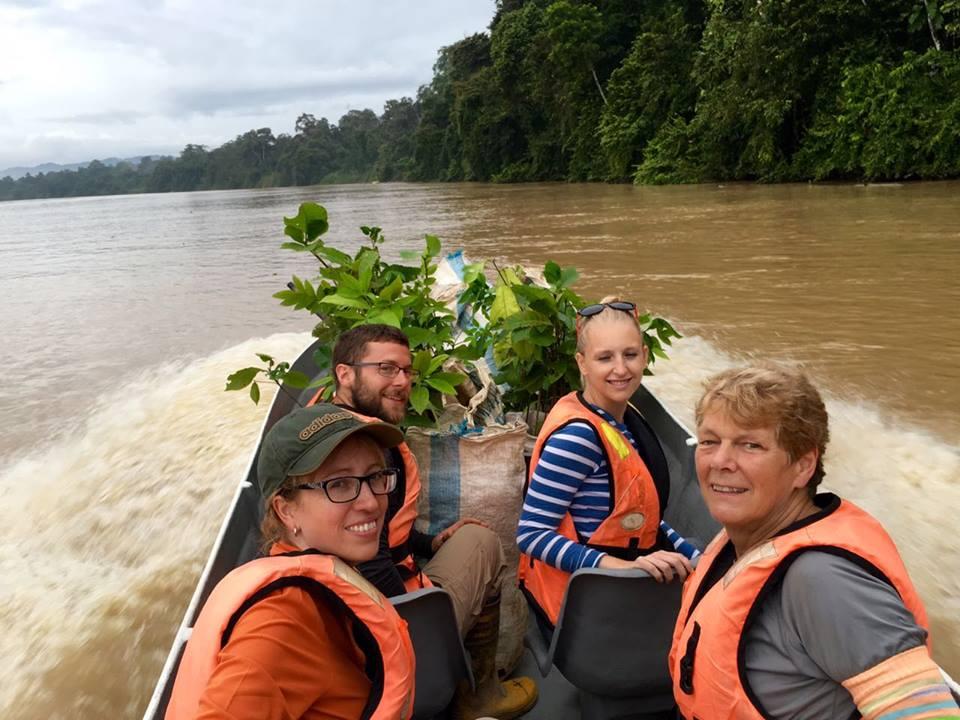
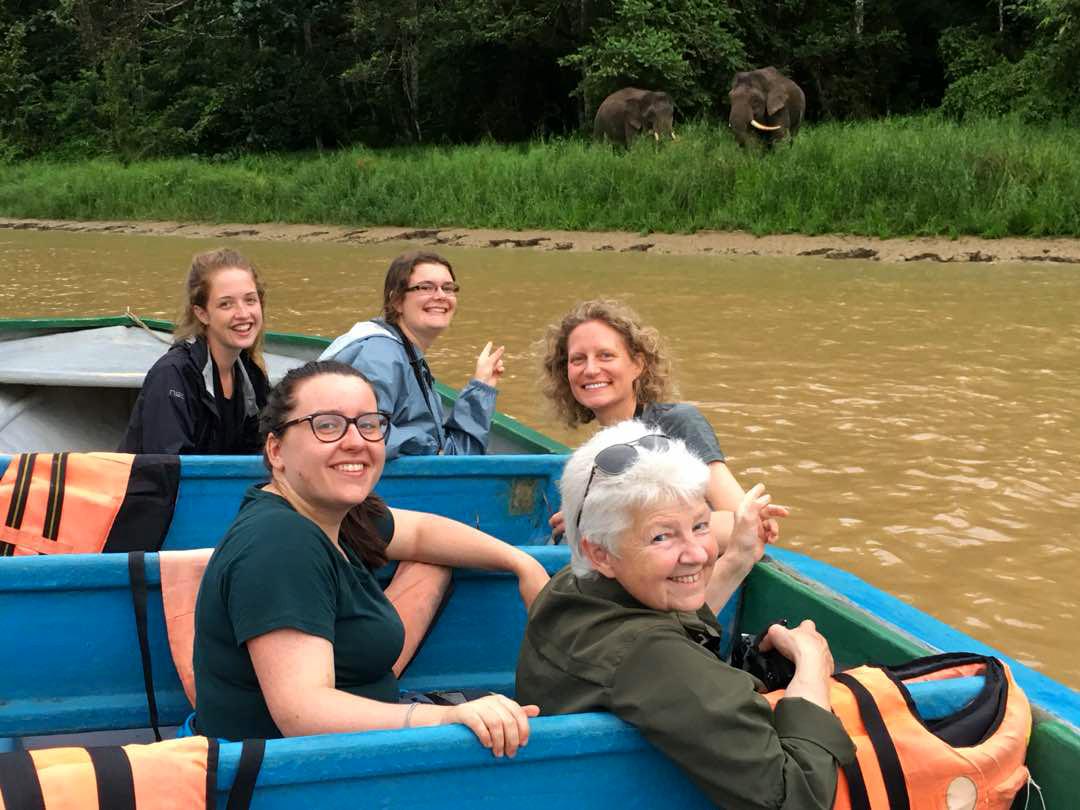
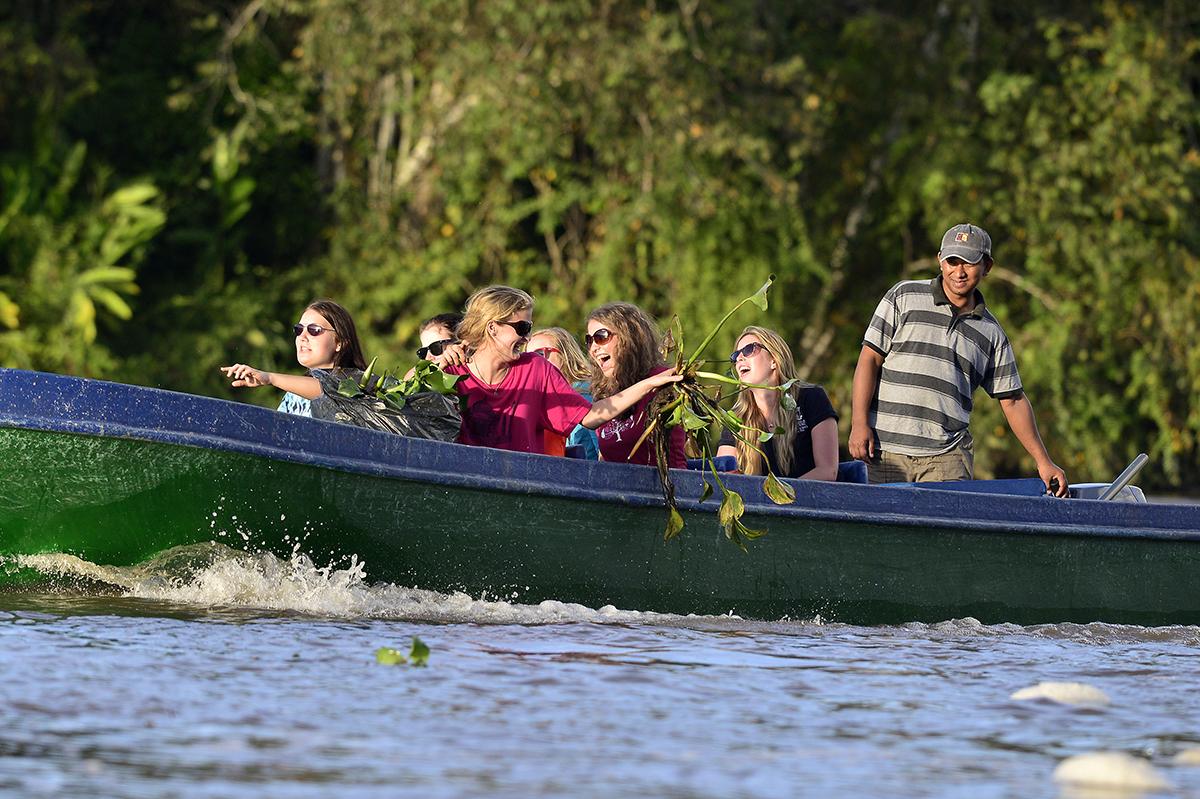
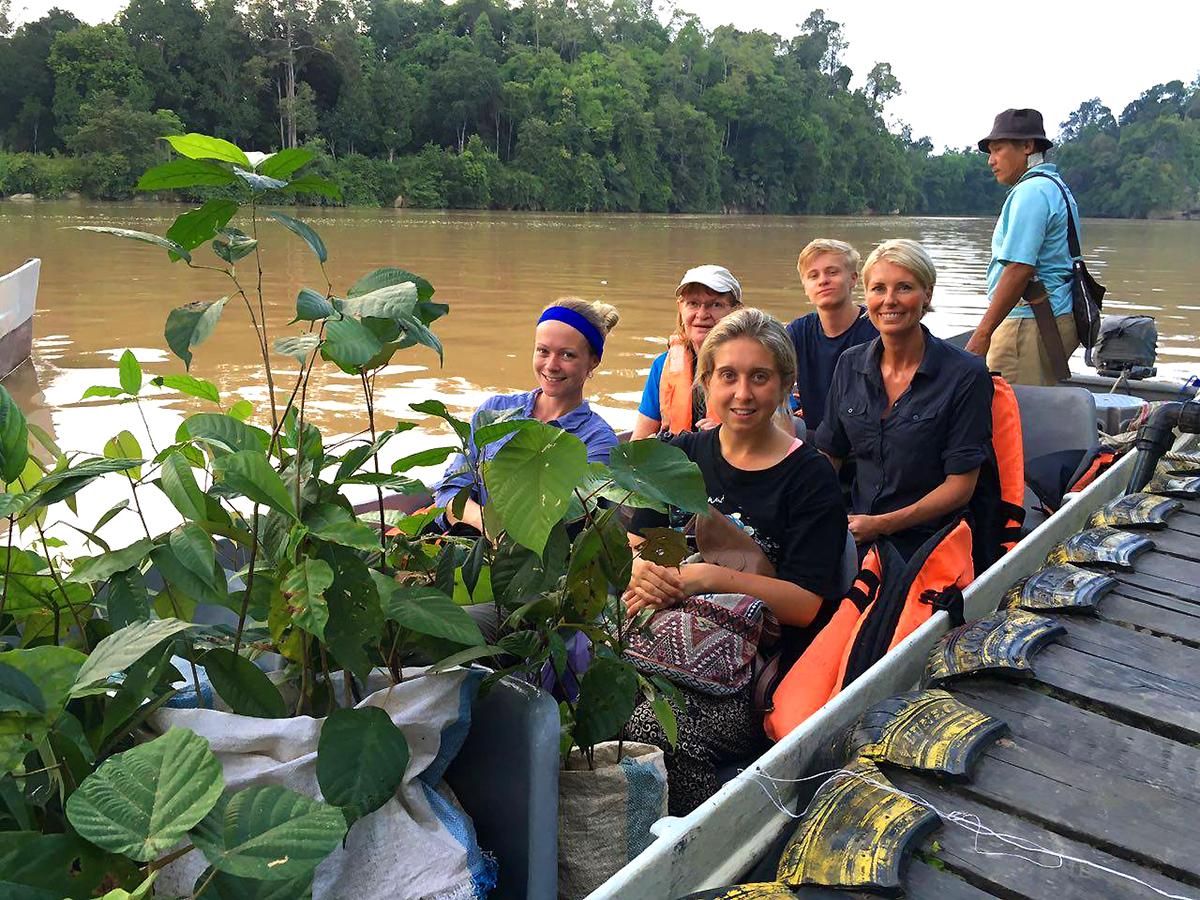
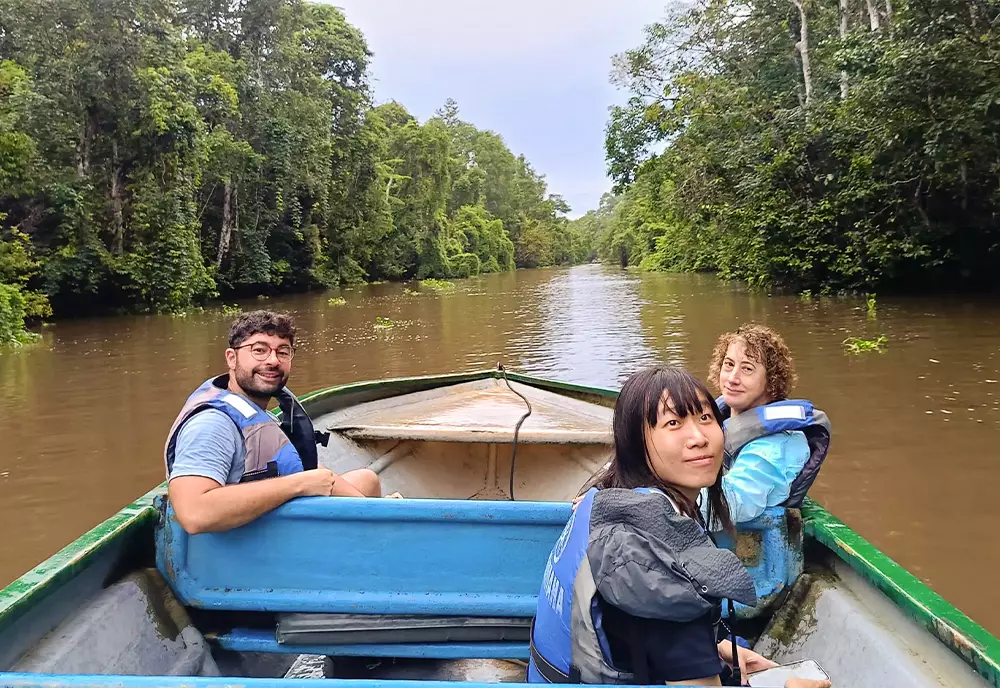
Whilst the main focus of this project is habitat restoration, you will also take part in activities in and around Sukau village and along the Kinabatangan River as you assist with wildlife monitoring during river cruises and a rainforest trek.
Itinerary
Please note, itineraries are subject to change and what follows is simply a rough guideline.
Day 1 - The Adventure Begins:
Upon arriving at Sandakan Airport (SDK), you will be met by a project representative and transferred to your first night’s accommodation. Here, you will meet the rest of your group and have a short orientation over a welcome dinner.
Day 2 - Transfer to Sukau Village:
After enjoying breakfast, you and your group will transfer by road to Sukau village, arriving at a local village B&B (your home for the next 9 nights). Drop off your luggage before joining a short health and safety briefing and spending the rest of the day at leisure: explore the local area, meet some of the villagers, or rest up ahead of your project days!
Day 3-10 - Project Days:
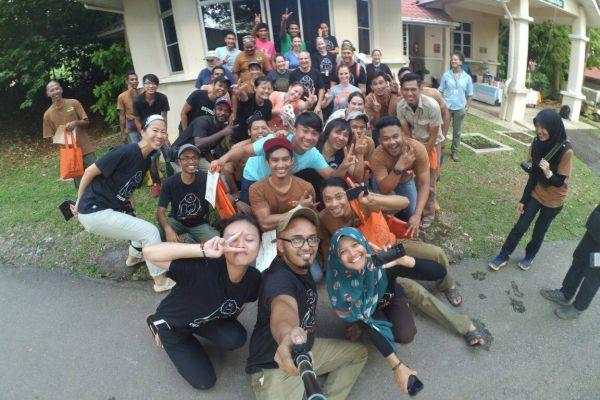
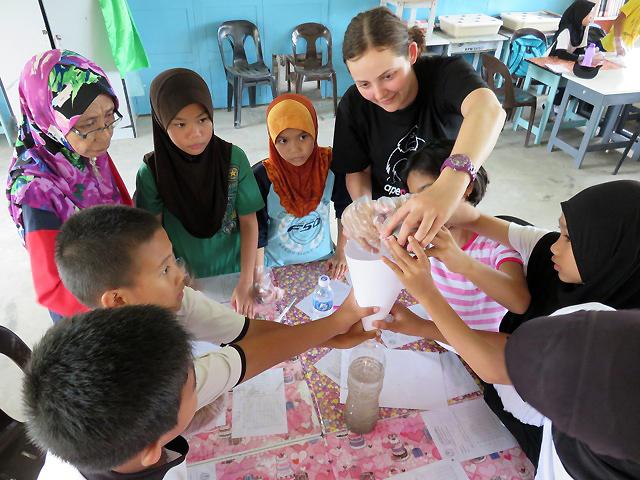
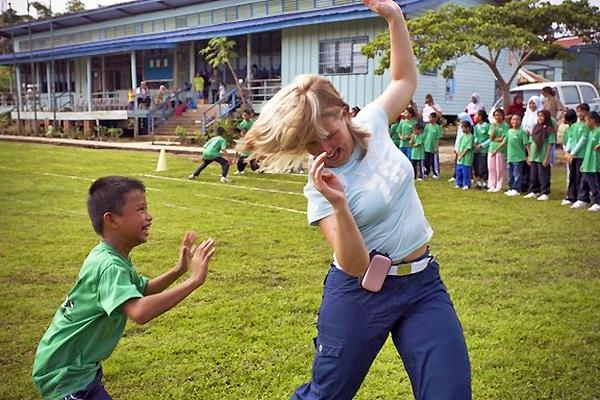
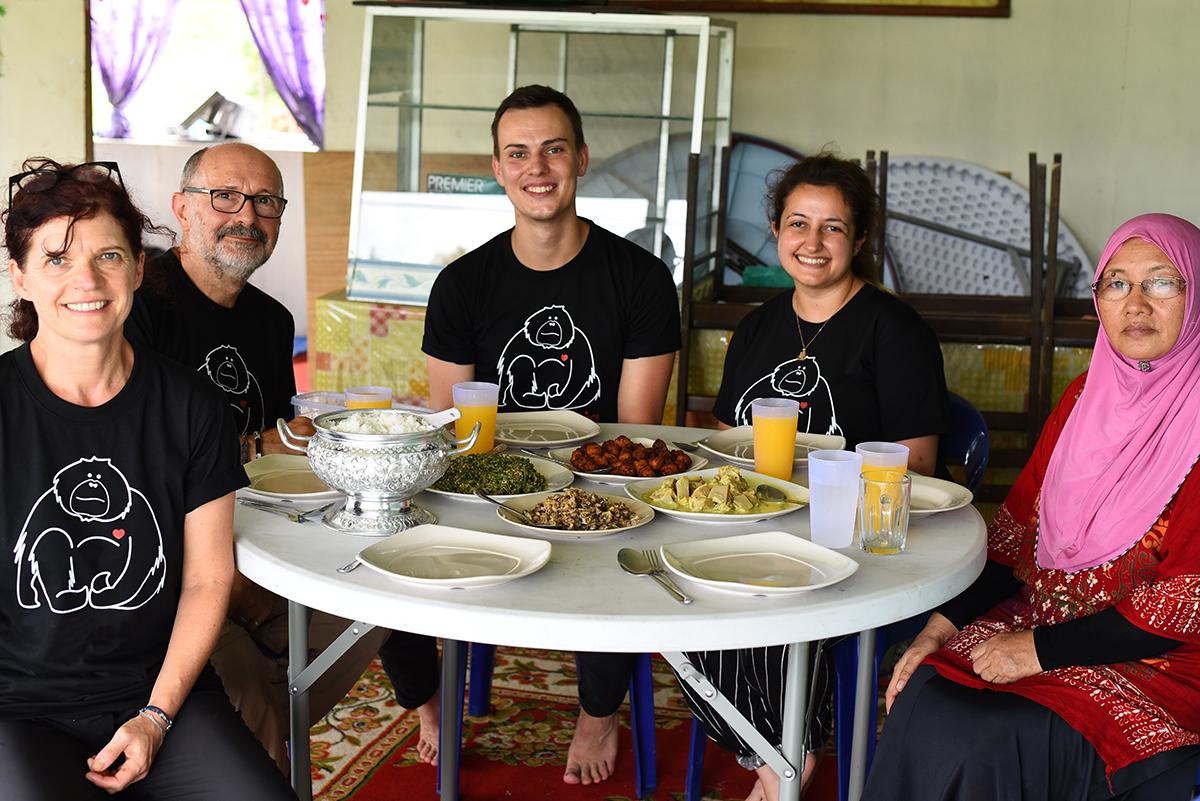
During these days, you will participate in various conservation activities, from habitat restoration to river cruise data collection trips. Also, as integrating with and supporting the local communities is key to any long-term conservation plans, you will spend time interacting with the locals and joining their families in their homes for most lunches and dinners.
Day 11 - Visit Sepilok Orangutan Sanctuary:
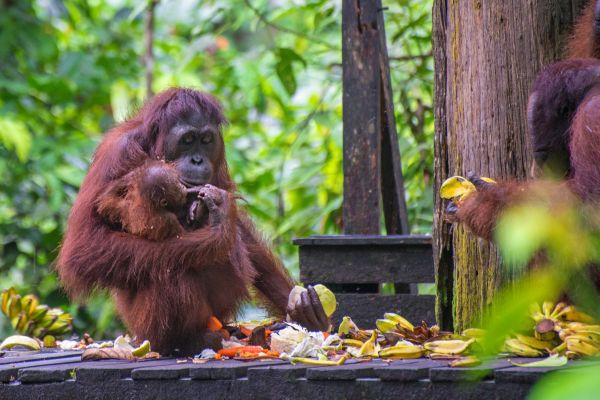
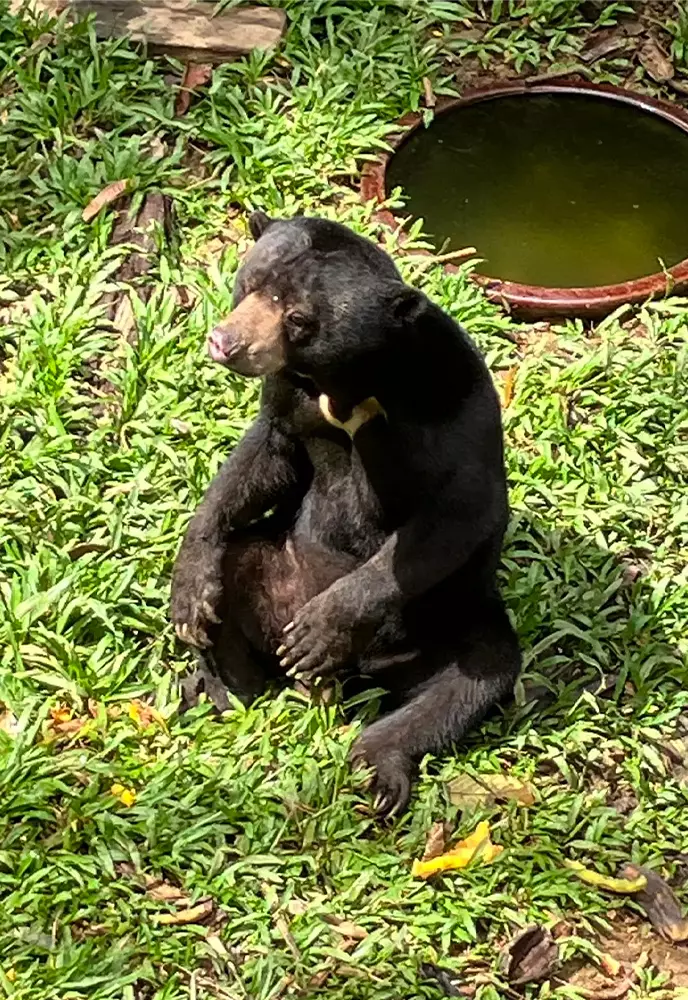
Today, you will depart Sukau and transfer back to Sandakan. On the way, you will stop at the Sepilok Orangutan Rehabilitation Centre and the Bornean Sun Bear Conservation Centre to view the morning feeding session. After lunch, you will visit the Rainforest Discovery Centre before heading back to Sepilok for the afternoon feeding session. After a busy day, you will be transferred to your accommodation in Sandakan for the night.
Day 12 - Final Day:
This is your final day on the project, which sadly means it’s time to say goodbye! You will check out of your accommodation and transfer to Sandakan Airport in time for your return flight home or to commence your independent travel plans.
Durations & Prices
Accommodation
Accommodation
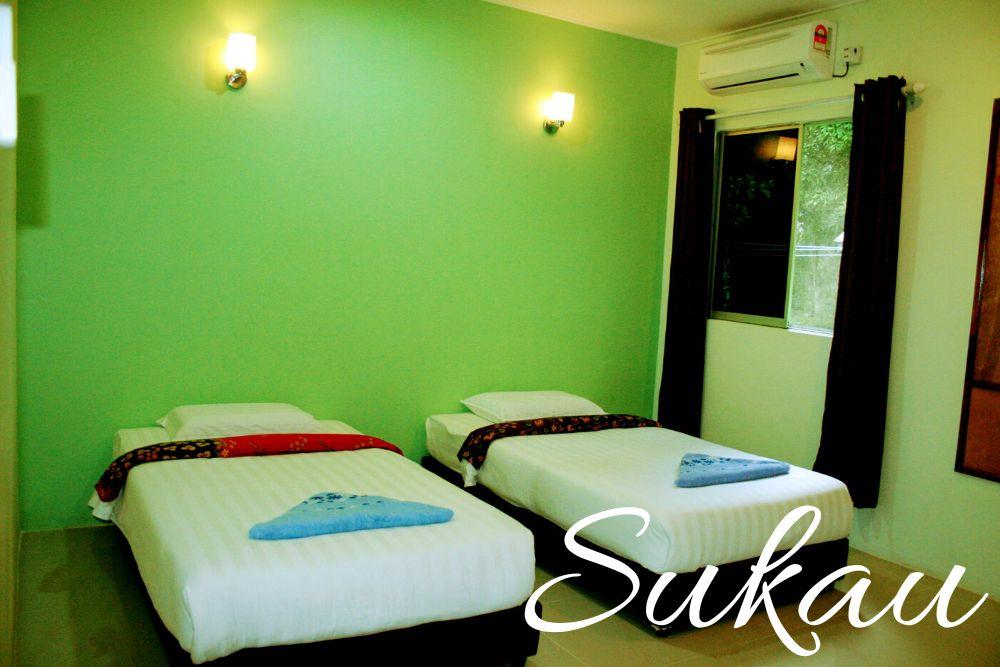
Most of your time on the project will be spent in Sukau, where you will stay in a small local B&B close to the riverbank, with a common area overlooking the river itself. Rooms here will be on a same-sex, twin-share basis, and each room will have an en-suite bathroom with warm showers and western toilets. If, however, you are joining as a couple, you will be accommodated together. While the accommodation is basic, it is comfortable, complete with bed linen and bath towels. What’s more, you’ll be situated right in the middle of Sukau village, offering ample opportunity to get to know your hosts and learn all about their way of life!
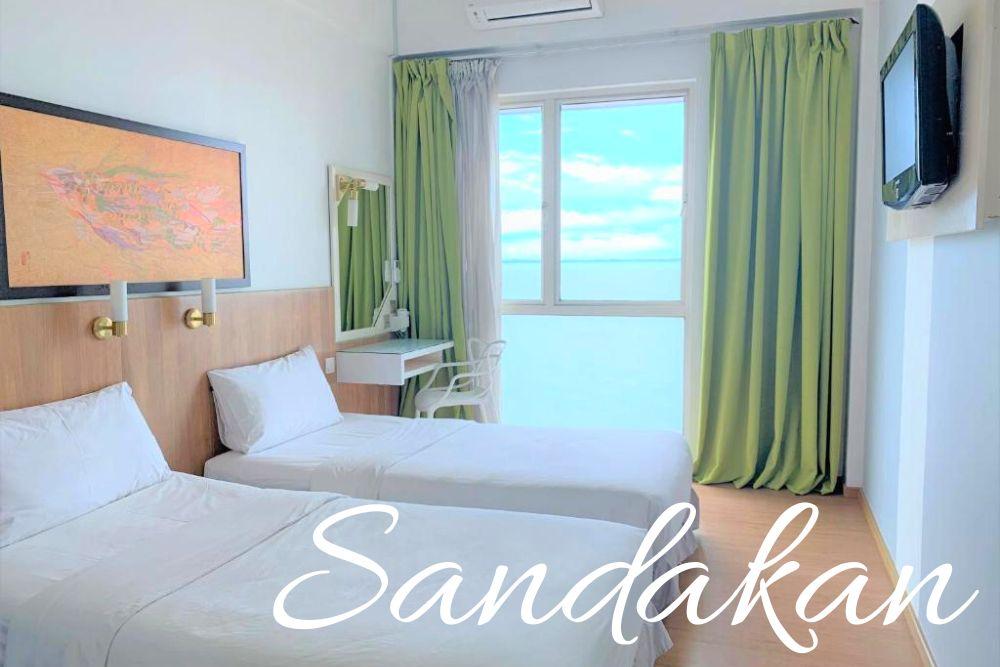
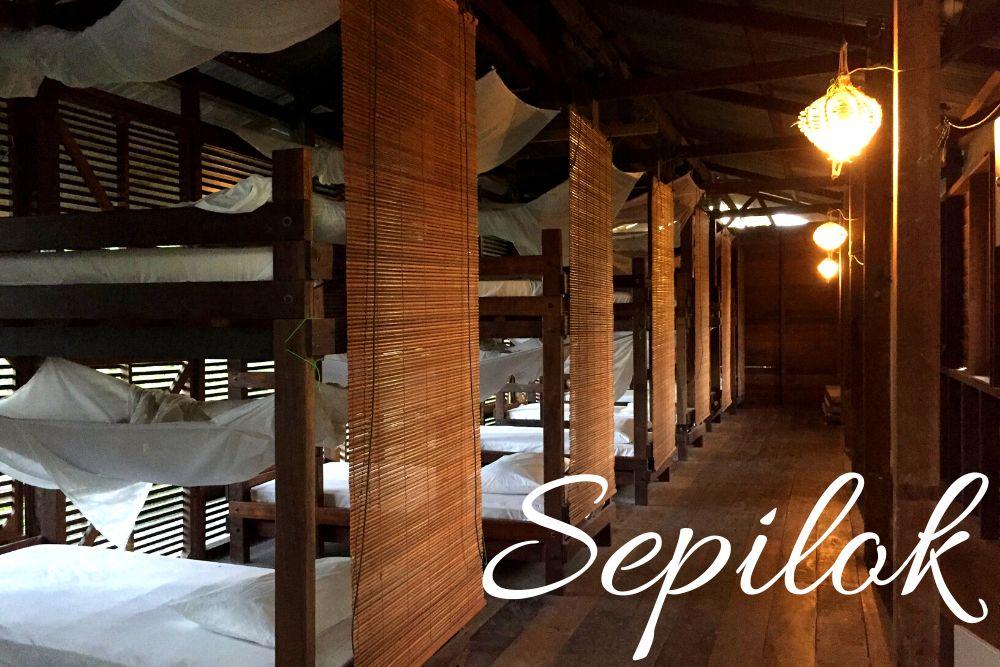
For easy airport transfers, your first and final night’s accommodation will be close to Sandakan. Rooms will be provided on either a twin-share or dormitory-style basis, again with warm showers and western toilets. It is possible to book a single room for the duration of your time on the project, with the exception of your first night in Sandakan. This can be done for an additional $473, but is subject to availability.


Meals & Beverages
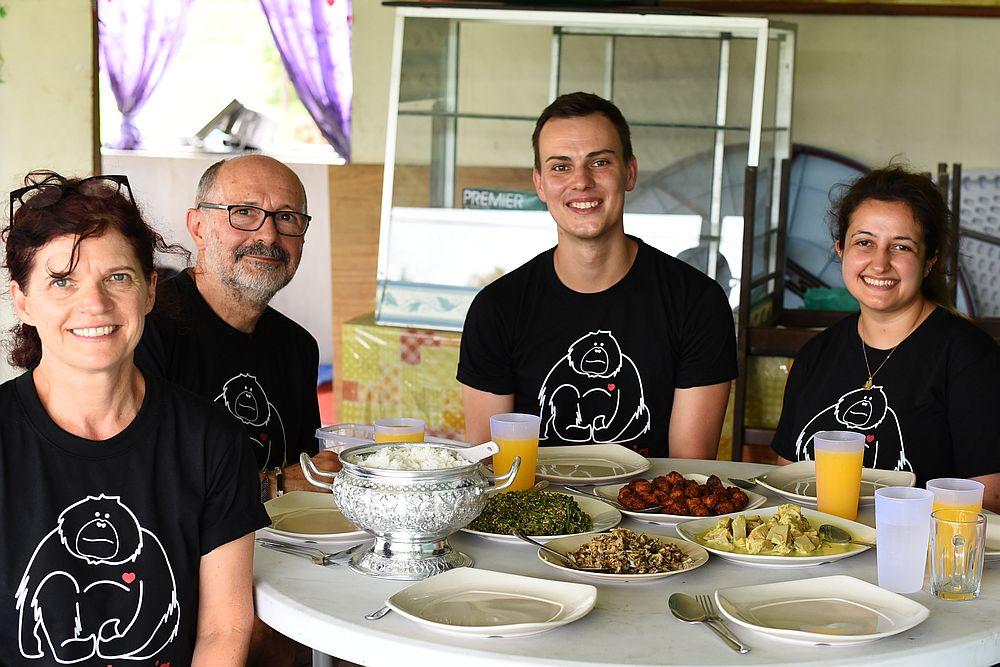
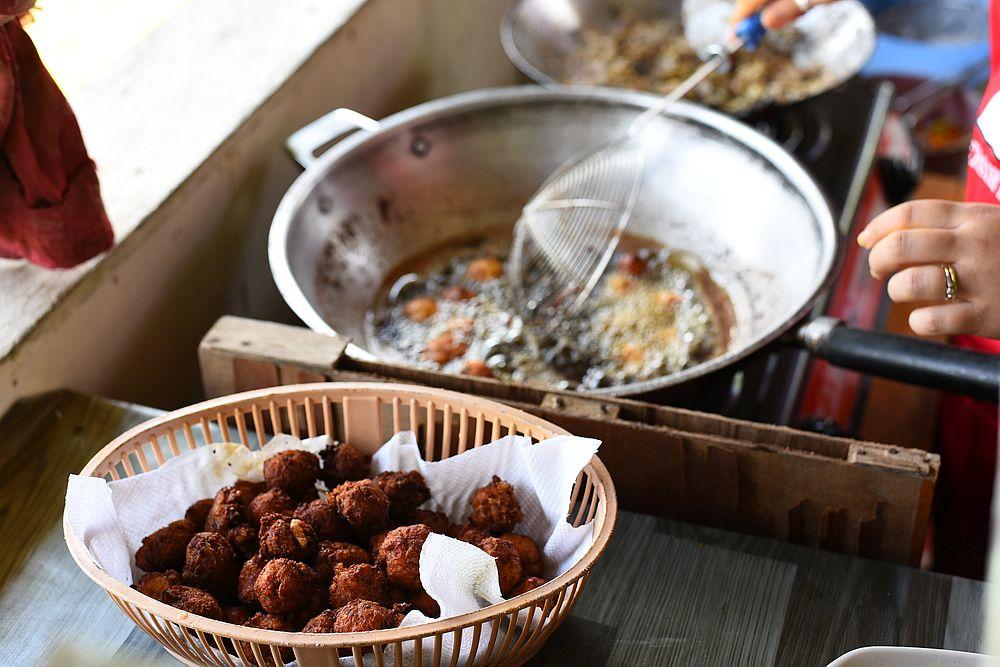
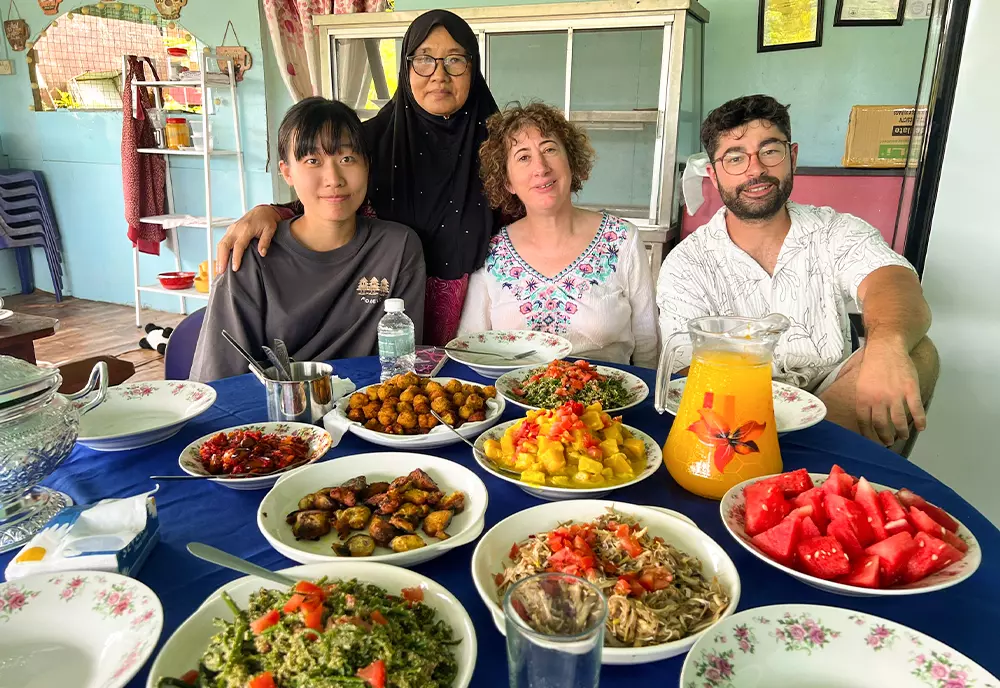
Three meals a day are included in the project's price. While staying in Sukau village, you'll have breakfast at your accommodation and visit the local villagers' homes for lunch and dinner. They will prepare traditional Malaysian-style meals for you and your group. Meals typically consist of noodles, rice, vegetables, chicken, and fish. If you have any dietary requirements, please let us know in advance. Tea, coffee, and water are provided. Alcohol is not permitted on this project, but you may want to bring extra money for fruit juice, soft drinks, or snacks.
Project Details
When Is The Best Time To Volunteer?
This project runs from June to September, with no single ‘best’ time to join in these months, as wildlife is active and visible throughout the season.
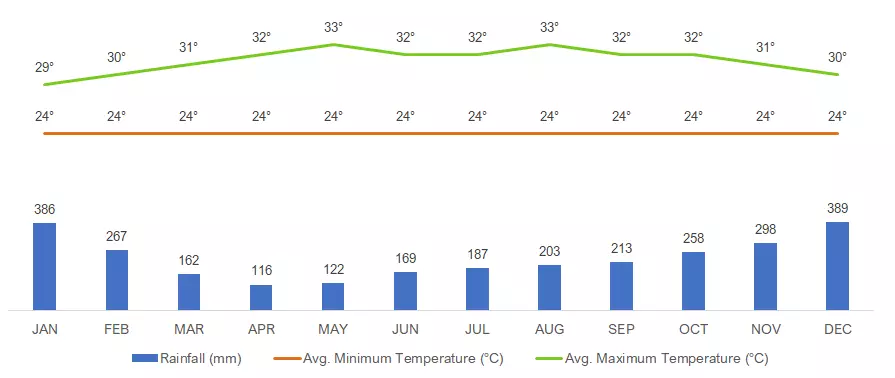
The weather remains fairly consistent, with daytime temperatures averaging 29–33°C (84–91°F) and nights around 24°C (75°F). While rain can occur year-round due to the rainforest climate, the main rainy season typically falls in November to February, so the project months usually offer favourable conditions for volunteering.
Getting There
You will need to fly into Sandakan Airport (SDK) on your project start date, arriving between 8am - 4pm. Upon arrival, you will be met by a project representative in the arrivals hall who will transfer you to your first night’s accommodation. This transfer takes approximately 40 minutes.
If you arrive a day early and stay in a hotel close to Sandakan Airport, we may be able to arrange your transfer to your first night’s accommodation from there.
Visa Requirements
Most nationalities do not need to obtain a visa in advance of travelling to Malaysia, as a 90-day tourist visa is granted on arrival. We do, however, recommend checking with your local embassy regarding visa requirements, as visas are the volunteer's own responsibility.
Fitness & Skills
This project involves physical work in the way of reforestation activities, often in humid conditions; therefore, a good level of fitness is required. No specific skills are required to join this project: just a love of animals, a strong work ethic, and an ability to work in a team.
Vaccinations
There are no specific vaccination or medical requirements needed to join this project, and as such, the vaccinations you require will depend on your medical history. We, therefore, recommend that you consult your GP/Doctor regarding your own immunisation needs.
No Contact Policy
We are often asked whether or not volunteers will have the chance to touch or play with the orangutans while on this project. Our answer to this question is, and will always be, no, and this is for good reason.
Orangutans are highly susceptible to human diseases, and something as minor as the common cold can prove fatal to these great apes. Also, an environment of constant change, with new volunteers going to the project every two or four weeks and being in contact with the orangutans, would be very detrimental to their well-being. With no consistency in their lives, behavioural problems arise. They also have a tendency to begin to trust humans, which is damaging if they are released back into the wild, as they will become easy targets for poachers. Finally, an orangutan is around seven times stronger than an adult male human, so a no-contact policy is just as crucial for your well-being as orangutan welfare.
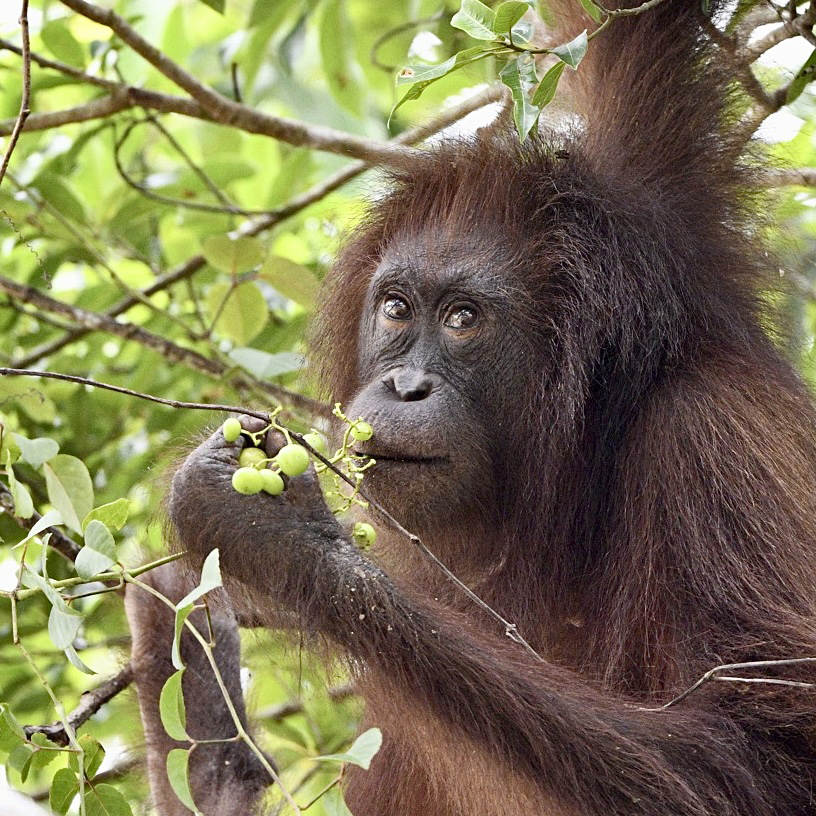
That is not to say that as a volunteer, you will have no interaction with orangutans; it simply means that you will have no direct contact with them. You will still observe them when visiting the Sepilok Orangutan Rehabilitation Centre and from the boats when on the river if you are lucky enough to see them! For more information, please view our article on hands-on contact with orangutans here.
Gallery









Reviews
One of the best experiences of my life. This trip is a well-oiled machine, which is truly a sustainable conservation and wild experience. Filled with unique memories which I will cherish, I learnt so much about conservation in Borneo, endemic species and the culture. I highly recommend this volunteering! Mark and the entire team at the sanctuary are a credit to the work that is going on to protect wild Borneo.
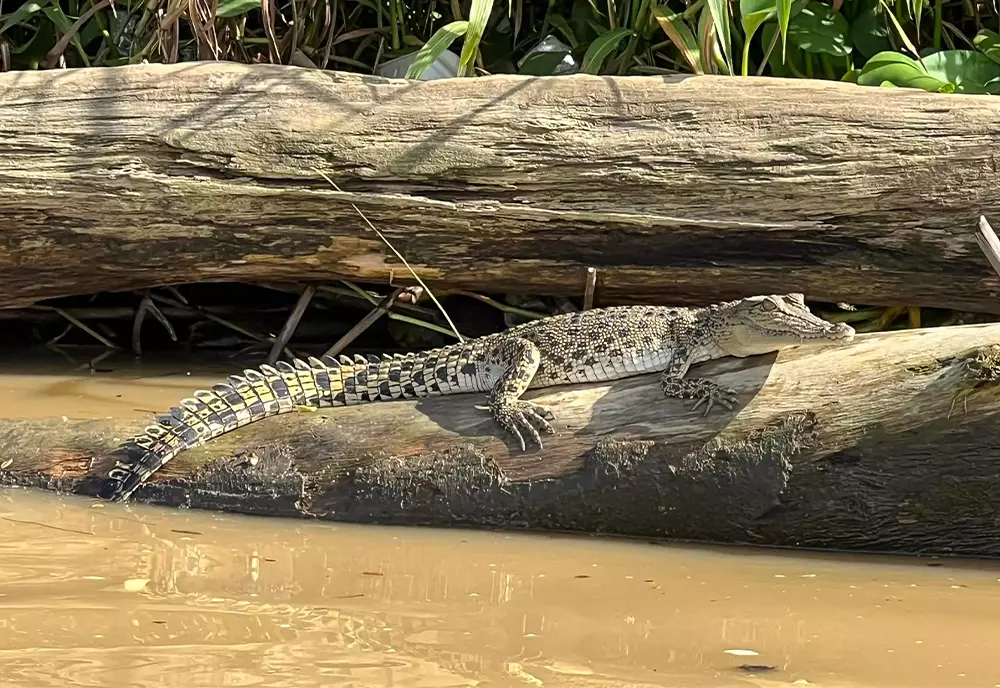
Exhausting and challenging. At times, thought-provoking. Often surprising in so many ways. But also exhilarating, exciting and rewarding! Our recent visit to the project opened our eyes and hearts to the people, culture, environment and animals of Borneo, and left us with memories we'll treasure forever. The work was hard, the accommodation was basic, the people were lovely and the whole experience was beyond our expectations. We learned about the palm oil and the local culture; we cleared, planted and tracked new wildlife corridors; we cooked and ate with local families; we enjoyed local crafting, music and dances. Just some of the wildlife we saw: endless macaques and hornbills; kingfishers and eagles, orangutans and elephants; civet and crocodiles; owls and water monitor lizards, green keelback and bronze back snakes, flying lizards, gibbons, silver langer and red leaf monkeys, beautiful songbirds, millipedes, a giant squirrel and lots of proboscis monkeys. Every day was an adventure, with nothing guaranteed, but always something astonishing. Thank you, Mark, and all at The Great Projects and the lovely people of Borneo.
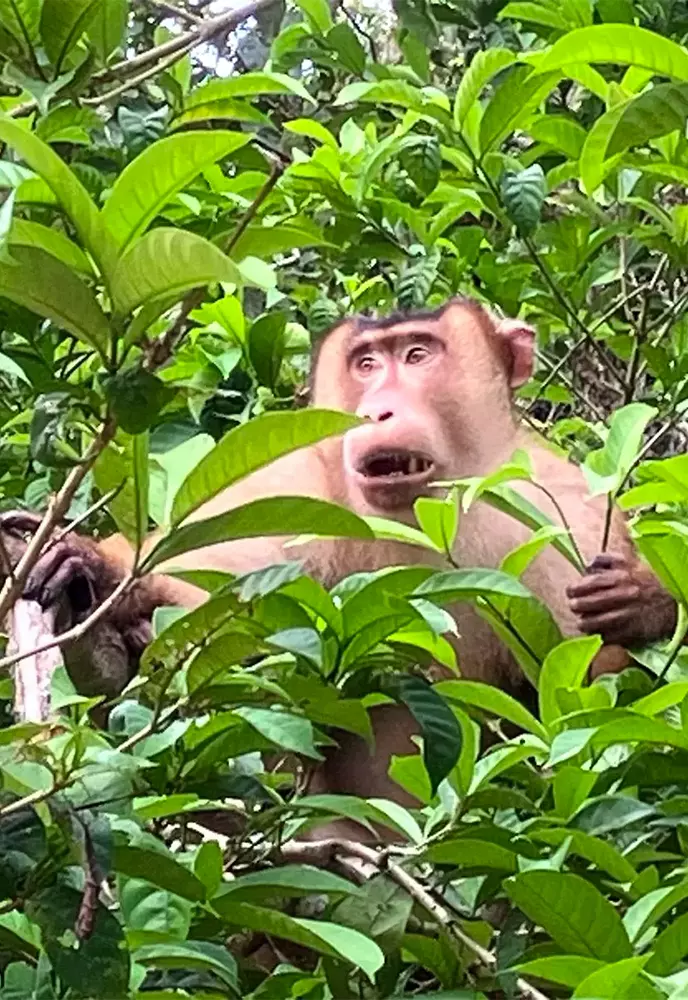
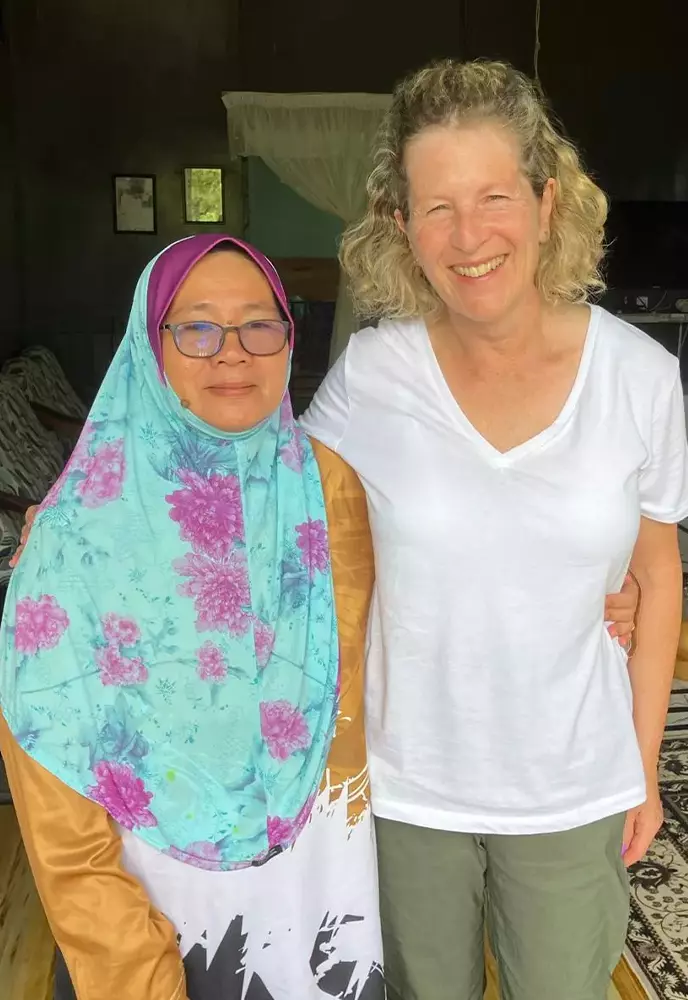
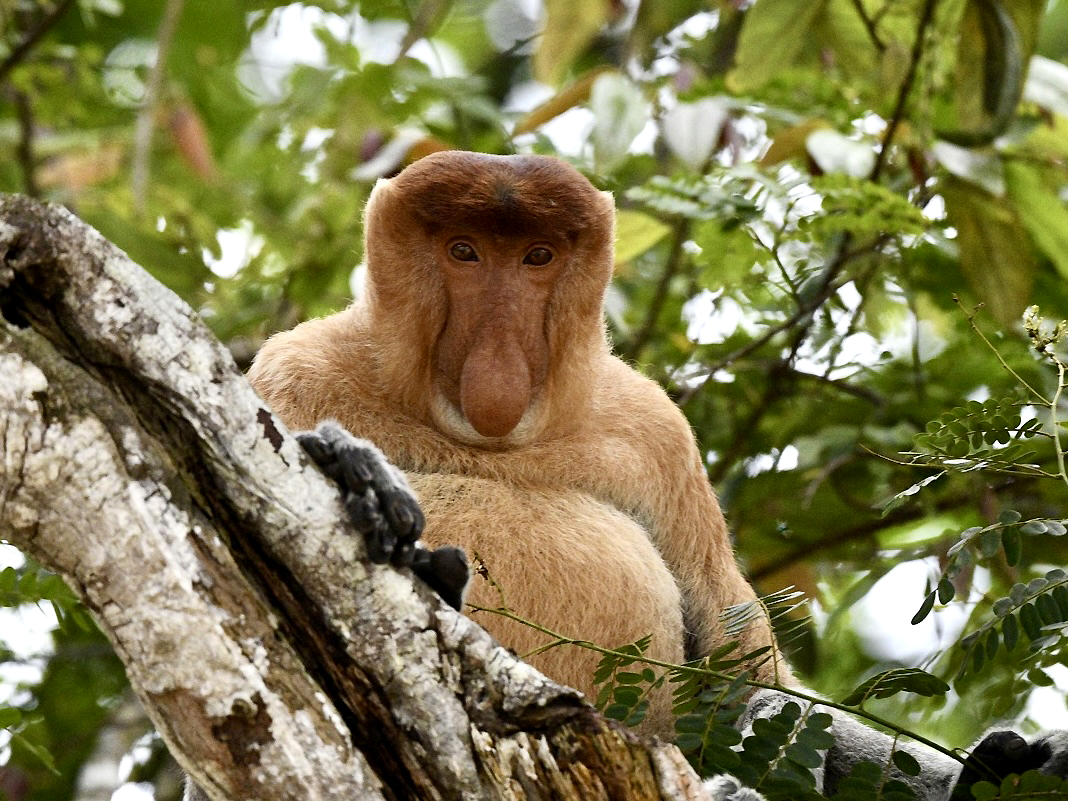
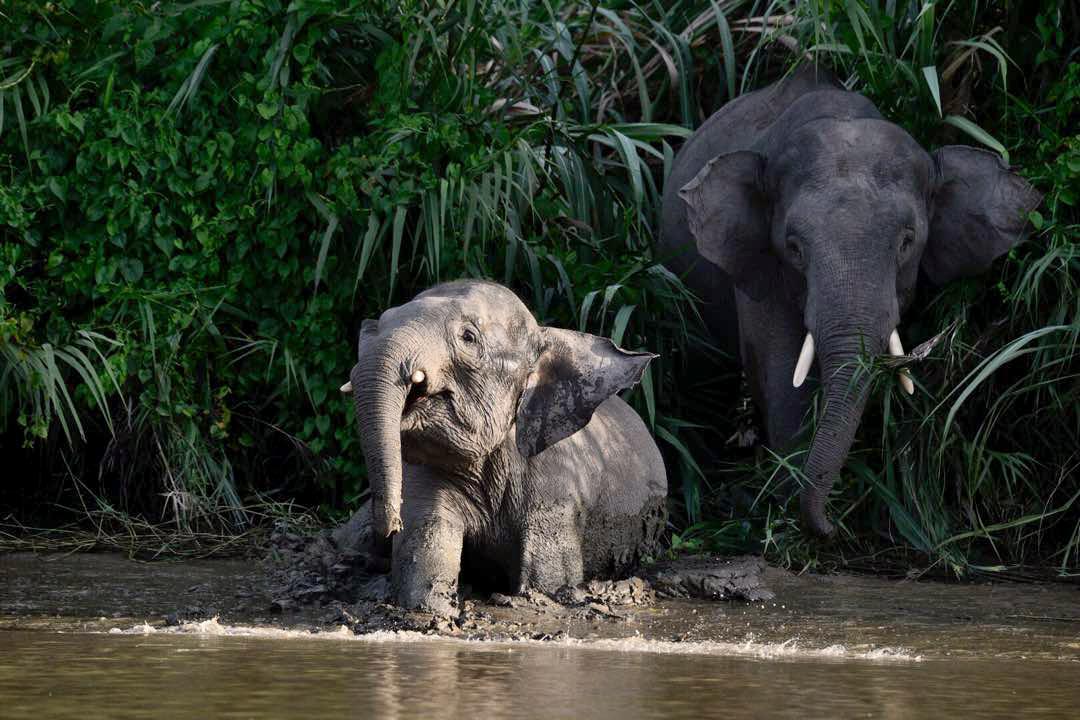
I have always dreamed of visiting Borneo ever since I was 24 (30 years ago!) I finally had my opportunity to go this year so off I went. We were based in a small village called Sukau, with lovely locals and gorgeous food. This was a tree-planting and maintenance project along the Kinabatangan River replacing the gaps in the forest canopy, destroyed by palm oil plantations. Since orangutans and other wildlife spend almost their entire lives in the trees, not coming down to the ground unless they absolutely have to (they get water from leaves and by licking their hair), gaps in the tree line make it impossible for them to travel through the trees. Every morning, after an early breakfast at 6am, we would leave the village by seven and travel to the designated site by boat spending about 3 hours working during the “coolest” part of the day before returning for a much needed shower and nap. The highlight of every day was the afternoon boat ride to observe wildlife along the river. We initially saw lots of macaques, and also proboscis monkeys – the fellas with big noses – only found in Borneo. The island is home... I have always dreamed of visiting Borneo ever since I was 24 (30 years ago!) I finally had my opportunity to go this year so off I went. We were based in a small village called Sukau, with lovely locals and gorgeous food. This was a tree-planting and maintenance project along the Kinabatangan River replacing the gaps in the forest canopy, destroyed by palm oil plantations. Since orangutans and other wildlife spend almost their entire lives in the trees, not coming down to the ground unless they absolutely have to (they get water from leaves and by licking their hair), gaps in the tree line make it impossible for them to travel through the trees. Every morning, after an early breakfast at 6am, we would leave the village by seven and travel to the designated site by boat spending about 3 hours working during the “coolest” part of the day before returning for a much needed shower and nap. The highlight of every day was the afternoon boat ride to observe wildlife along the river. We initially saw lots of macaques, and also proboscis monkeys – the fellas with big noses – only found in Borneo. The island is home to eight species of large birds called hornbills and we had many sightings of the Rhinoceros hornbills. Speaking of rhinoceros, the Sumatran rhino stands about 4ft high so is much smaller than the African and Asian variety. Sadly, they are feared to be almost extinct. However, the description “pygmy elephant”, is misleading and I was expecting to see elephants the height of my hips paddling in the river. They may be about 4ft shorter than their African cousins, but nothing can prepare you for seeing several 8 ft giants emerge out of the canopy to drink at the riverbank. That was a definite “wow” moment. When working and trekking in the jungle, we saw many signs of elephants – footprints, disturbed foliage and poop – and were warned to stand well back if a herd came our way. I felt completely safe the whole time except on one occasion towards the end of a boat trip when it started to rain heavily. Think you’ve seen torrential rain? Think again! The boatman put the motor on full and we bounced over the surface of the river for about 20 minutes, cold and soaked to the bone. My next trip with The Great Projects is to see the gorillas in Uganda but I also have my eye on The Orangutan and Tribes Tour which includes spending time living in the long houses with the Iban, who are now the custodians of wild orangutans. (Show More)
 Download Project Guide
What's Included
- Accommodation
- Three meals per day
- All transfers
- Entrance fees to the Sepilok Orangutan Rehabilitation Centre and the Rainforest Discovery Centre
- Full orientation and support from the project managers
- A conservation donation
What's Not Included
- Flights
- Travel insurance
- Visas
From
$3,063.00€1,914.00£1,595.00$2,154.00
-
Up to 12 Persons
-
All Meals Included
-
11 Nights
-
21st of Each Month (Jun - Sep)
-
Minimum Age 18 (Or From 16 Years Old With An Adult)