Amazon Rainforest Research Station
Journey into Peru’s “capital of biodiversity”, where your rainforest research is helping wildlife and forests recover!
Speak To A Travel Expert
Activities
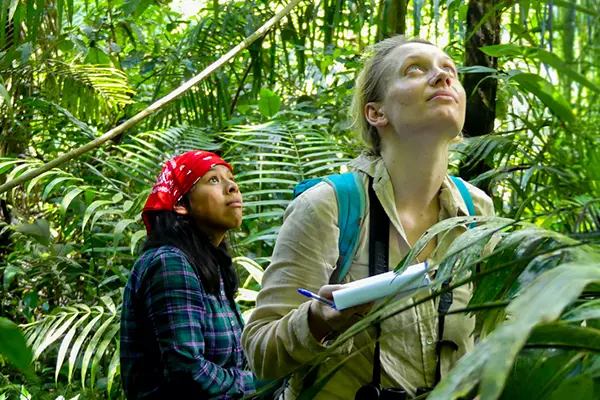
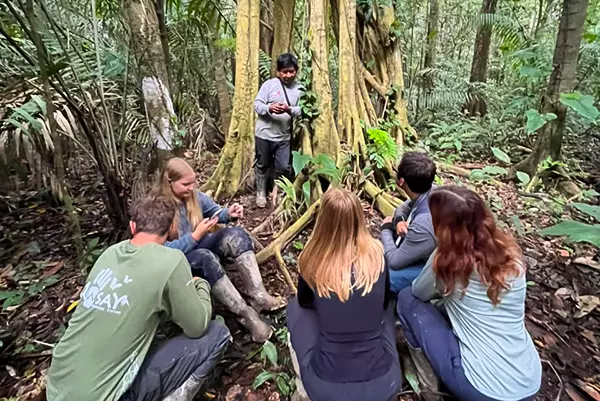
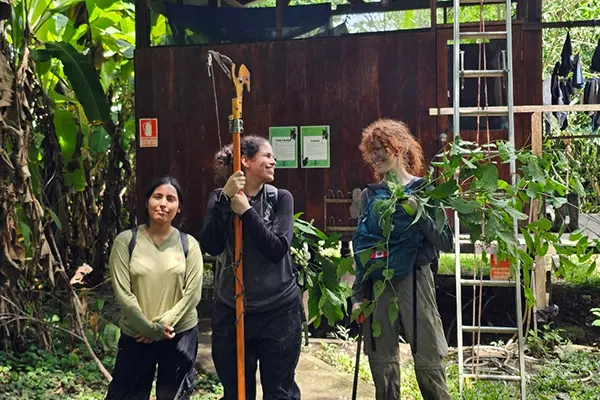
You’ll typically take part in two main activities each day, with weekends free for you to enjoy at your leisure. The activities below are examples of what you may do, but your schedule can vary depending on the season, weather, current research, and the conservation area's needs.
Itinerary
Below is an example 13-night itinerary, though you can arrange durations of 1 to 12 weeks; we recommend a minimum of 2 weeks to participate in the listed activities.
Day 1 - The Adventure Begins:
After landing at Padre Aldamiz International Airport (PEM), you will transfer to the port. From there, you’ll take a boat to the biological station, which takes approximately one hour. Upon arrival, you’ll have time to settle into your accommodation, meet the team, and get your first introduction to the station and the surrounding forest.
Day 2-13 - Project Days:
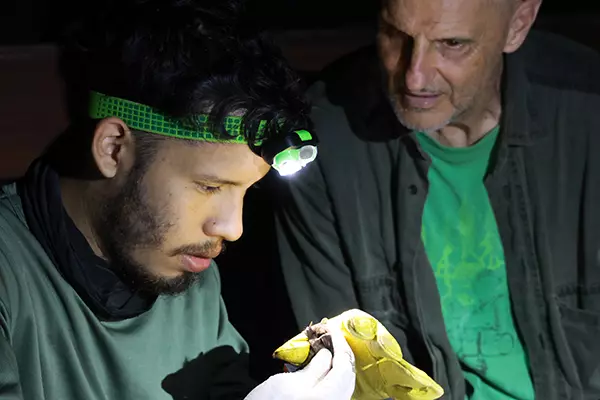
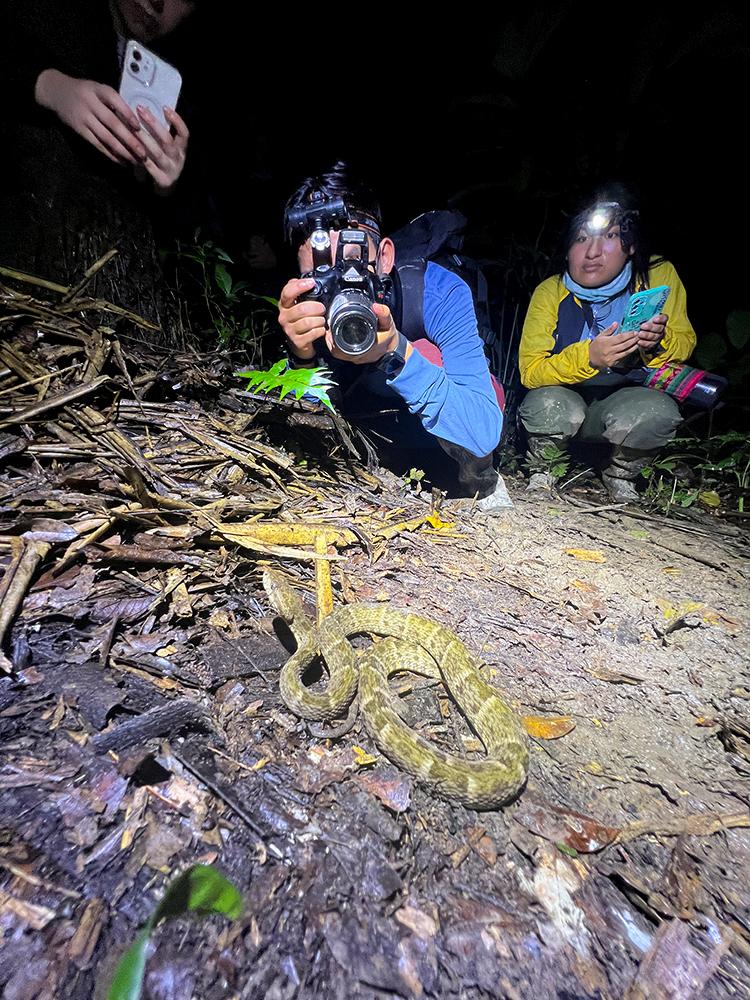
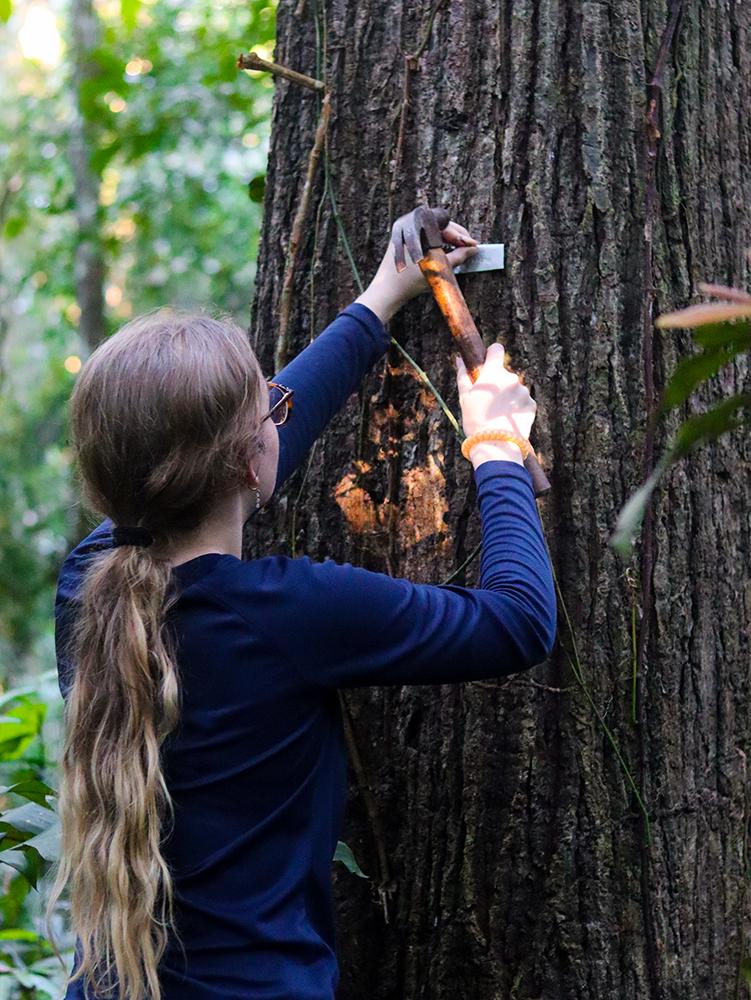
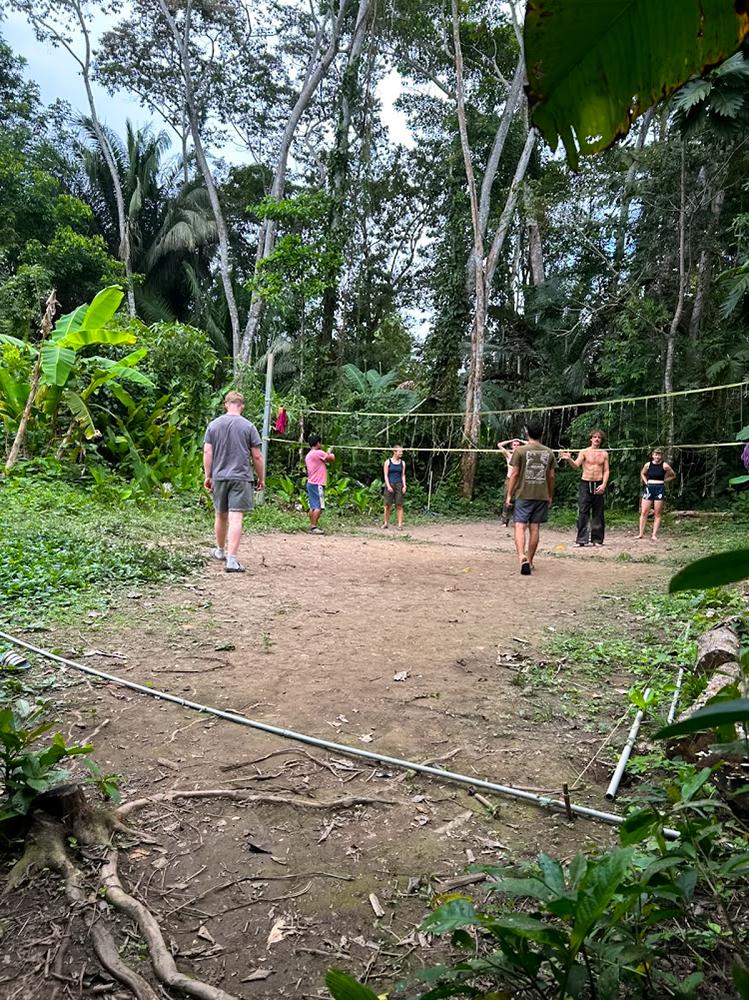
Your project days usually begin with breakfast at 7am, before heading into the rainforest for your first activity. You’ll return for a long lunch around 12pm, then head back out until around 5:30pm, with time to unwind before dinner. Some research may take place outside these hours; bird observations may start early, and herpetofauna work may take place after dark. Weekends are yours to enjoy the station, or take a boat to Puerto Maldonado to explore further afield!
Day 14 - Final Day:
If you're volunteering for two weeks, today marks the end of your journey; you'll board the boat and make your way back to the airport to commence your onward travel plans or catch your return flight home. You’ll leave having lived in the Amazon, following wildlife, contributing to real research, and seeing a side of the rainforest that few people ever experience.
Durations & Prices
Accommodation
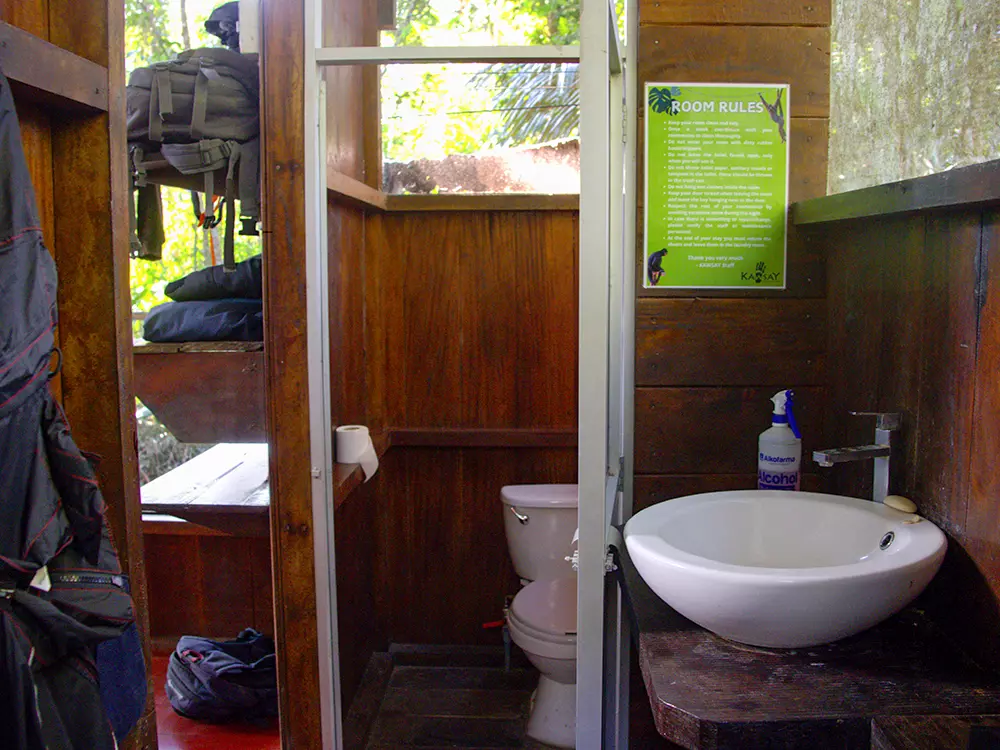

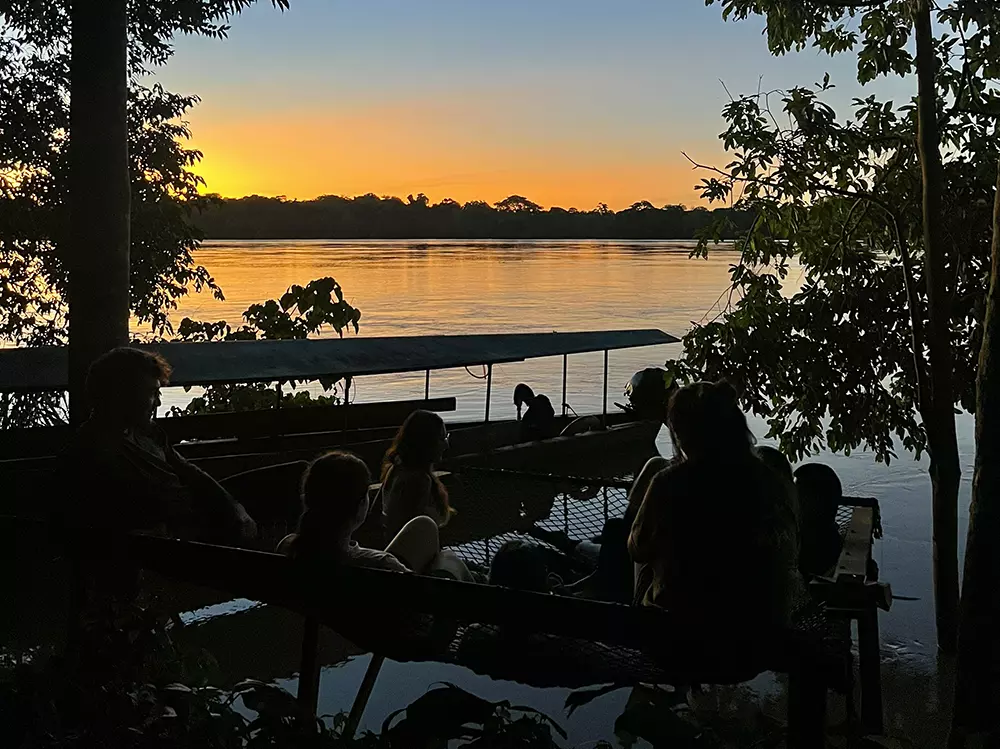
Volunteer Accommodation
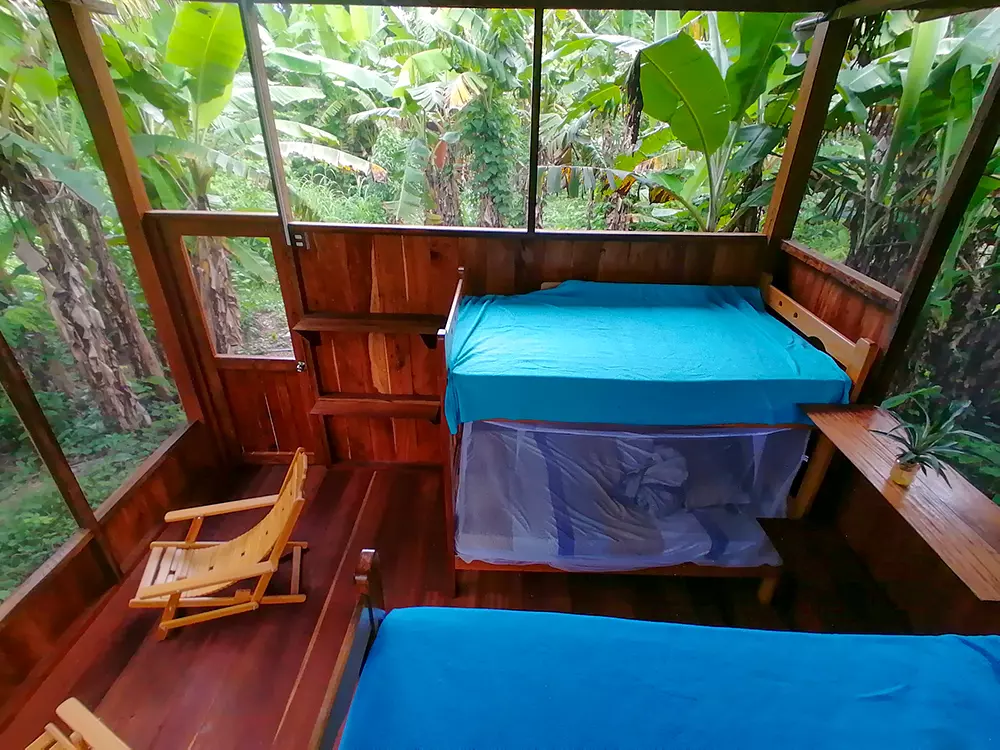
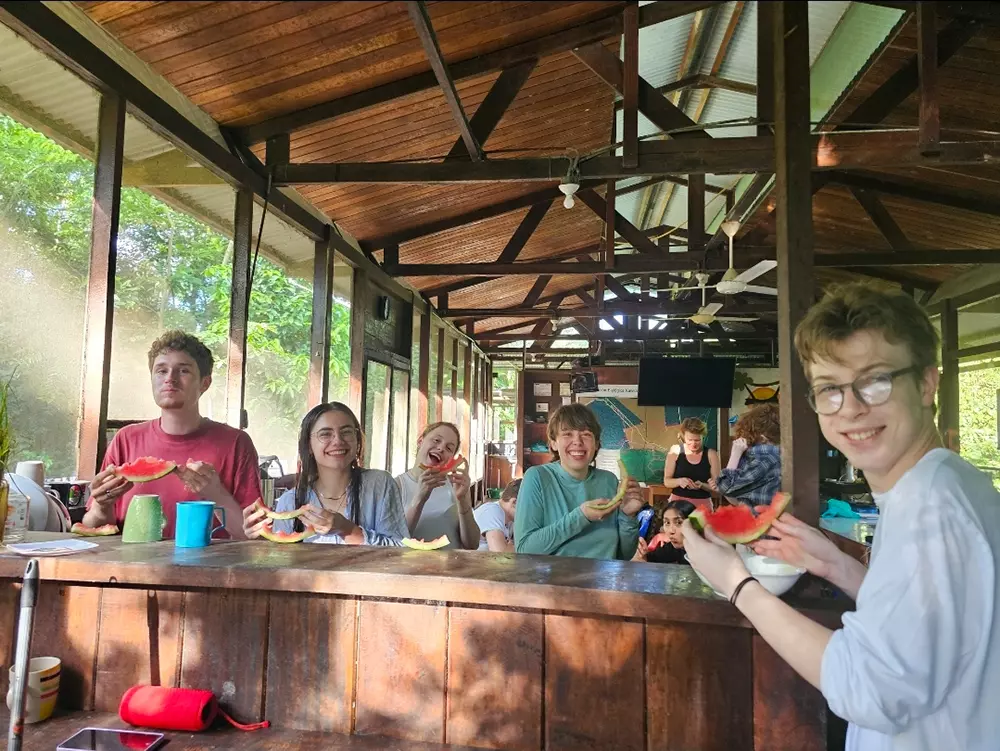
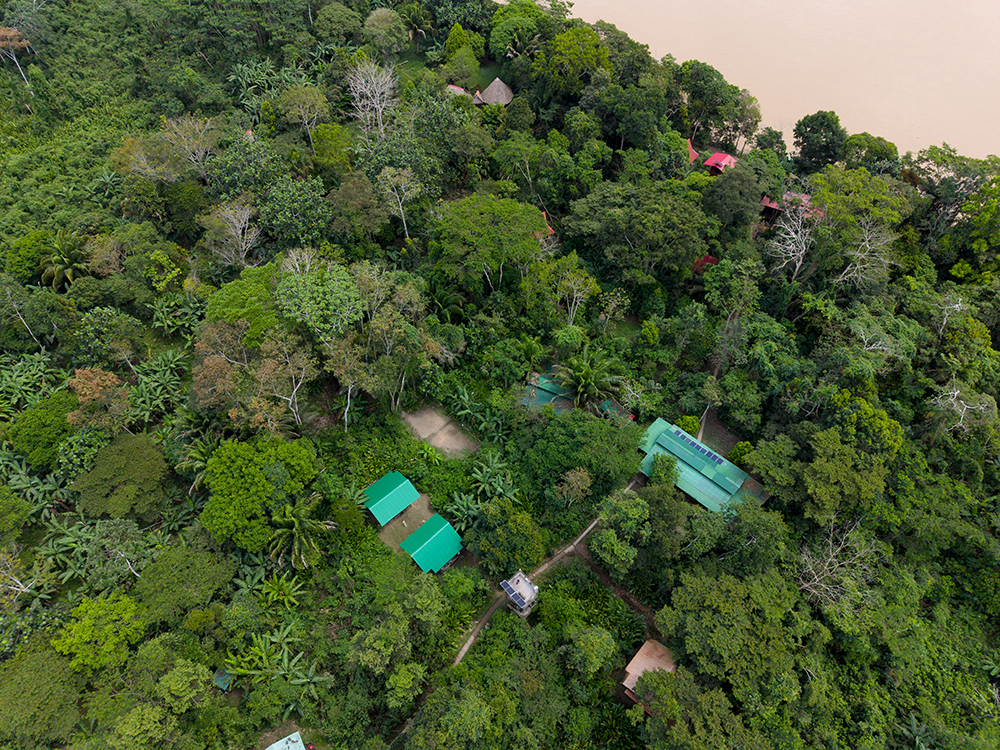
During the project, you’ll stay right in the rainforest at the biological station, sharing the base with volunteers, researchers, students, and staff. Your wooden bungalow accommodates up to four people, typically of the same gender, with a private bathroom, electricity, charging facilities, bedding, and a mosquito net. There’s no hot water, so expect a refreshing cold shower after a day in the forest!
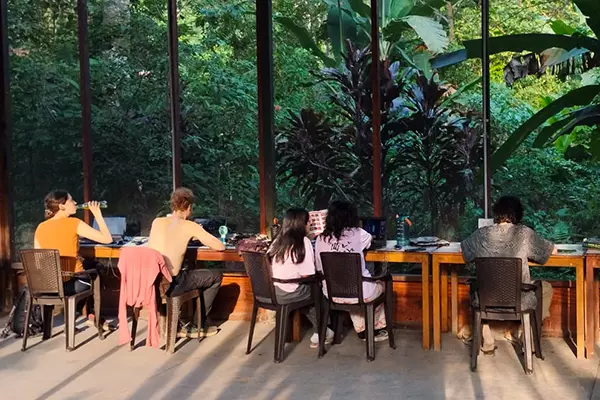
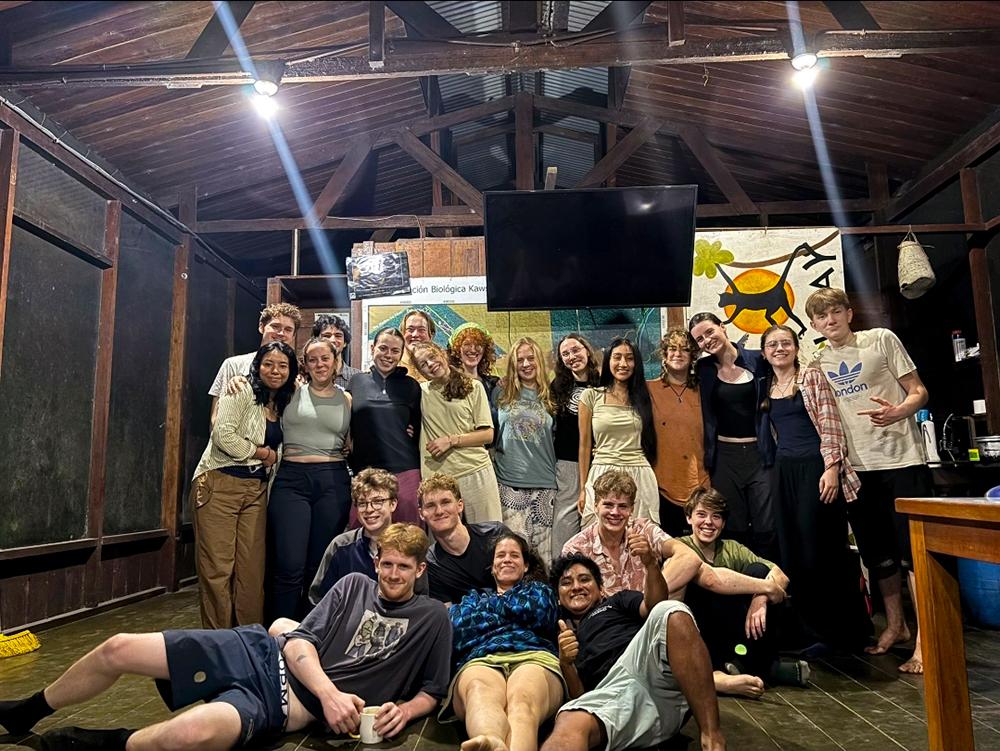
The main house is the social hub, with a kitchen and dining area, Wi-Fi, a library, a study area, laundry, and a workout space. On-site, you’ll also find a small laboratory and plenty of places to unwind, including a huge hammock overlooking the river. It’s a relaxed, welcoming base with everything you need for life in the rainforest.

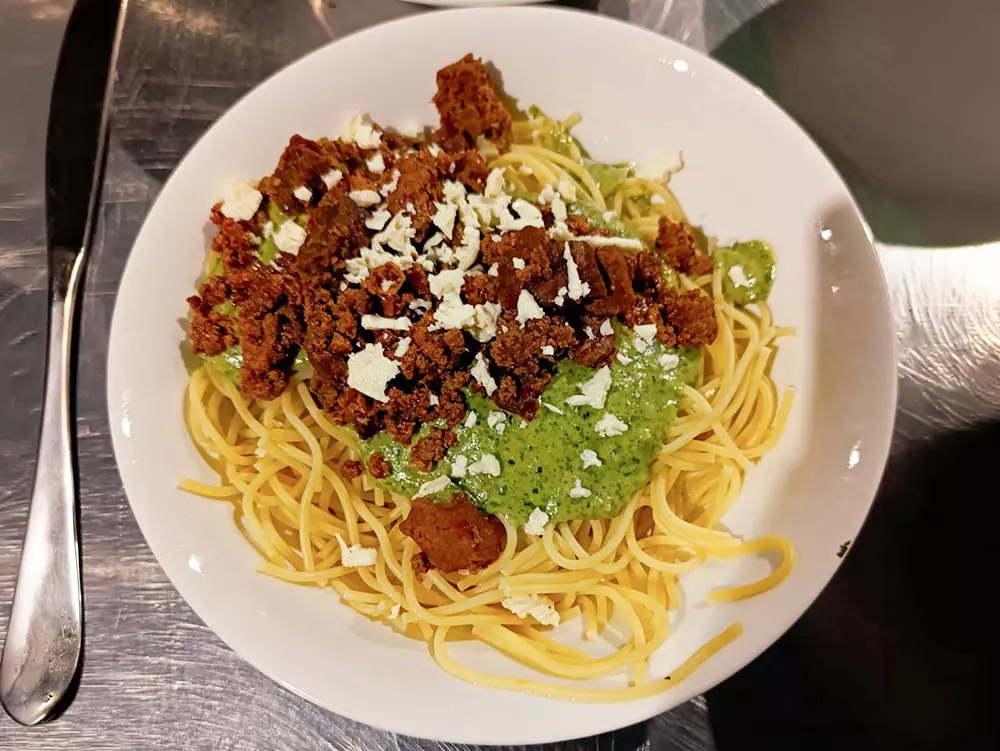
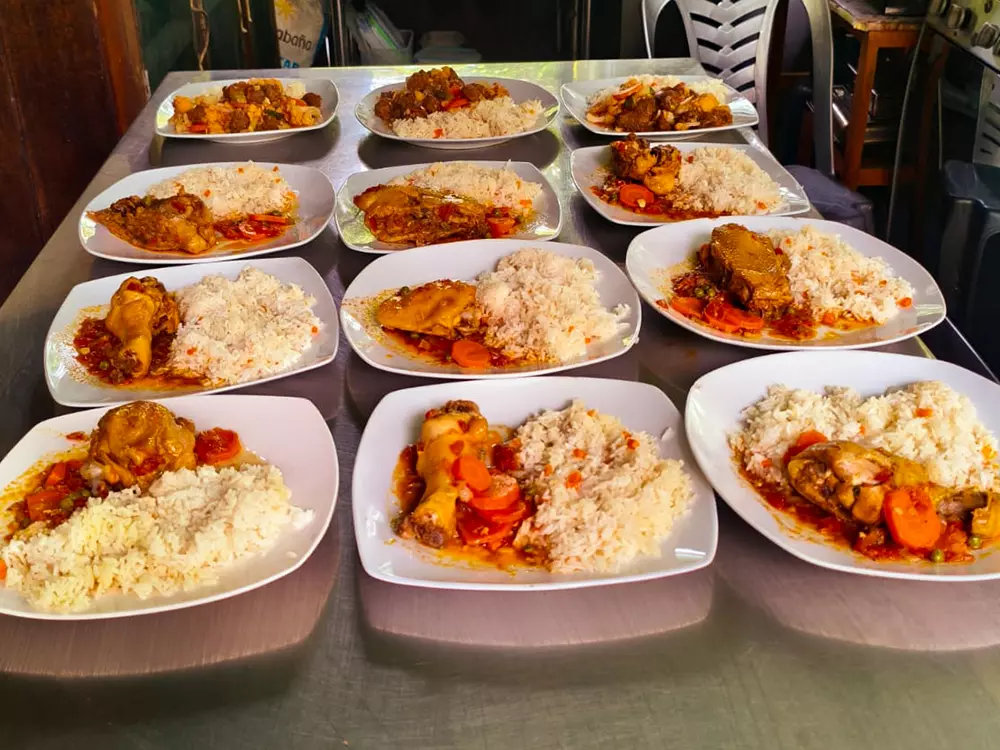
Meals & Beverages
Three meals a day are included throughout your stay, along with fruit, filtered water, tea, and coffee. Food is prepared at the station and shared with the wider station community, with plenty of homemade Peruvian dishes to look forward to!
Dietary requirements can be catered for, so please let us know about any requirements in advance. There’s also a small shop onsite selling snacks, beer, and soft drinks, perfect for grabbing something cold after a hot day out in the field. If you have favourite snacks or drinks you can’t do without, you’re welcome to bring your own to keep in the kitchen.
Project Details
When Is The Best Time To Volunteer?
The biological station welcomes volunteers year-round, so there’s no single best time to visit. The main thing to consider is the weather and which conditions you may prefer. The Amazon rainforest climate is generally hot, humid, and rainy throughout the year, with two distinct seasons:
November to April: This is the wetter season, with more frequent and heavier rainfall and temperatures generally around 28°C to 32°C (82°F to 90°F). February is typically the wettest month, and trails can become muddy, wet, and occasionally flooded. Seasonal swamps within the conservation area also fill with water during this period.
May to October: The drier season generally brings more sunshine and shorter rainy periods, with daytime temperatures usually around 27°C to 30°C (81°F to 86°F). Occasional friajes, or cold fronts from the south, can cause temperatures to drop unexpectedly to around 14°C (57°F), particularly overnight and in the early morning.
Getting There
Your journey to the biological station starts in Puerto Maldonado. You’ll need to arrive at Padre Aldamiz International Airport (PEM) on your project start date before 3pm; flights take about 1.5 hours from Lima and 1 hour from Cusco. You can also travel to Puerto Maldonado by bus, particularly if you’re coming from Cusco or Arequipa.
Once you arrive, a project representative will meet you at the airport and take you to the port roughly a 20-25 minute drive, where you’ll board the boat to the biological station. The journey takes approximately one hour, with boat transfers operating on a fixed schedule on Wednesdays and weekends.
If you’d prefer to arrive in Puerto Maldonado the night before your project starts, we can recommend places to stay, though please note this will be at an additional cost. We can then arrange for a project representative to collect you from your hotel or hostel in time for the boat.
For your departure, we recommend booking a flight from Puerto Maldonado after 12pm to allow plenty of time for transfers.
Visa Requirements
If you are from the UK, USA, Canada, Australia or most of the EU, you do not require a visa to enter Peru, as a stay of around 6 months is granted on arrival for tourism purposes. As entry requirements can change, please check your visa requirements before travelling.
Travel Insurance
Travel insurance is compulsory and must cover the full duration of your stay. The station is located in a remote part of the Amazon, where access to medical facilities may require boat transport. In a serious emergency, you may need medical evacuation, so ensure your policy covers the activities and location of your trip.
Fitness & Skills
You’ll spend plenty of time walking through the rainforest, including on uneven and sometimes muddy terrain, often in warm and humid conditions. A good level of fitness will help you get the most out of the experience. You don’t need any specific skills or previous experience to join. You should be comfortable being active for several hours at a time, carrying light equipment and your own belongings, and working outdoors in a range of weather conditions.
Vaccinations
This project has no mandatory vaccinations or specific medical requirements. However, the team recommends being up to date with routine vaccinations, including Yellow Fever, Hepatitis B, and Tetanus.
Malaria has not been detected in the local area for a long time, so malaria medication is generally not required. We recommend speaking to your GP, doctor, or a travel clinic for personalised advice on vaccinations and preventative measures before travelling.
Gallery









 Download Project Guide
What's Included
- Accommodation
- Three meals a day
- A conservation donation
- Airport transfers
- Boat transport to and from Puerto Maldonado
- Rubber boots, subject to availability
What's Not Included
- Flights
- Visas (if neccessary)
- Travel insurance
From
$951.00€594.00£495.00$669.00
-
Up to 10 Persons
-
All Meals Included
-
7 - 84 Nights
-
Wednesdays
-
Minimum Age 18