2 weeks: GBP 995 | AUD 1493 | USD 1542

Help with the Cheetahs re-introduction into the wild

Help with the release of cheetahs back into the wild in Africa. You can now use The Great Projects to travel and do volunteer work with cheetahs and other big cats in Namibia, Africa. Namibia is cheetah country with one third of the worlds entire population living there. With 95% of cheetahs living outside protected areas and on farmland, cheetahs are often killed by farmers who regard them to be a threat to their livestock.

The Cheetah Release Project is a dynamic partnership with The Great Projects and the conservation research team at the Namibia wildlife sanctuary, dedicated to supporting the work of local landowners to locate and remove proven problem carnivores and track their re-introduction into safe conservation areas. This 2 week volunteer programme offers a unique opportunity to play a hands on part in the conservation of wild cheetahs, enabling you to work up close with these incredible animals and contribute towards their welfare.

You will combine your 7 day programme in Solitaire with a 7 day stay at the Namibia wildlife Sanctuary and Windhoek Research Study Site. This really is a great opportunity to see every part of the cheetah rehabilitation process and know that you are positively contributing to cheetah welfare and conservation in Namibia!

Release record - Over 100 carnivores released to date

Project Summary

Focus: African Big cats and monkeys

Start Date: Thursdays

Duration: 2 weeks (7 days on release site + 7 days at reserve)

Location: Windhoek, Namibia

A Typical day at the release site
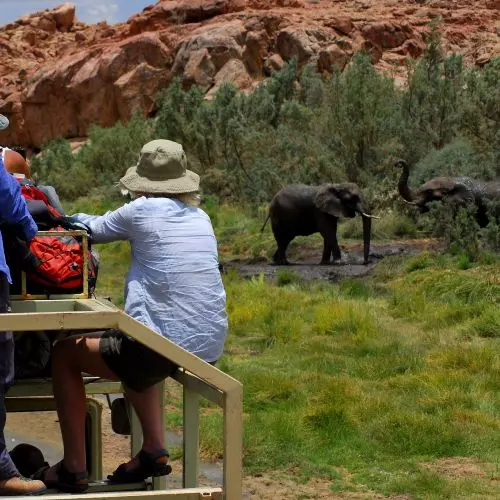
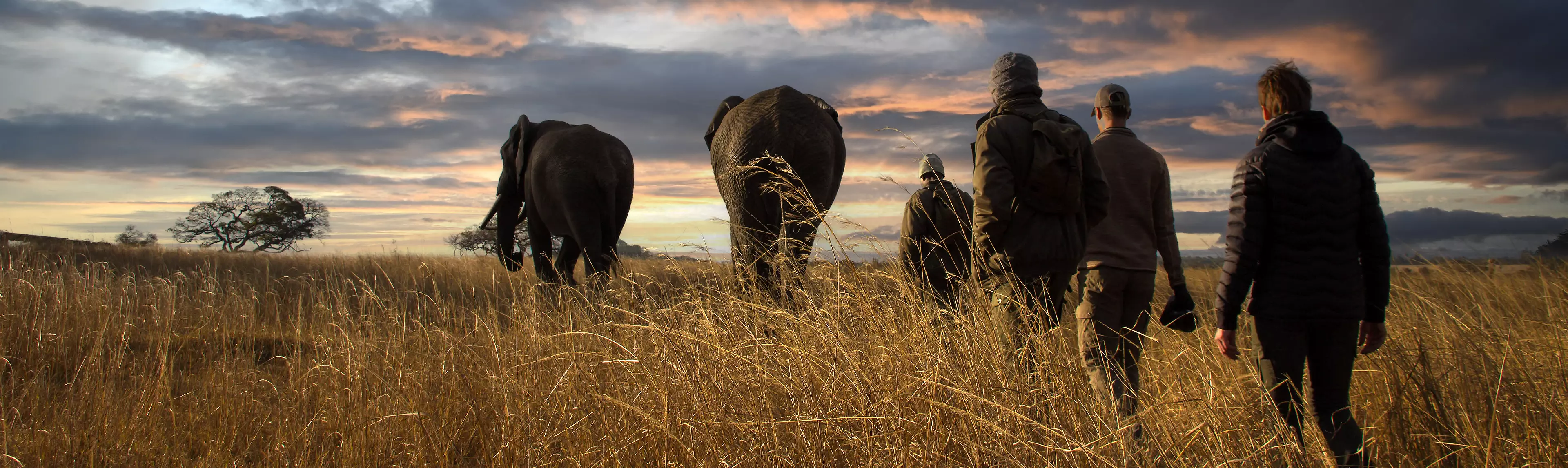
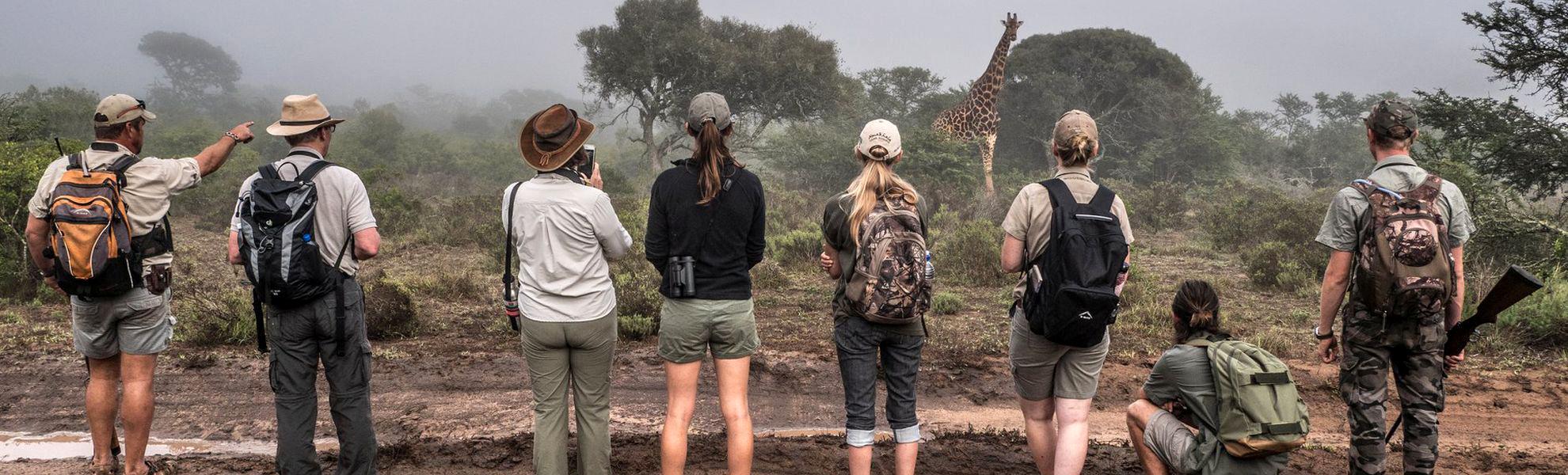
On most days volunteers will get up at dawn for a quick breakfast; to increase the chance of observing the carnivores in the field it is crucial to get started as early as possible. Based on the carnivores' movements, the specific monitoring needs and prevailing weather conditions, a decision will be made as to which cheetahs will be tracked during the day.
Volunteers will spend time at the soft release camp, ensuring the fencing is intact and feeding the resident cheetahs. Lunch may be taken in the field (sandwiches) or depending on the day's events the group may return to base around noon for cooking. Field work is resumed in the afternoons and then the group returns to the base in the late afternoon/early evening for cooking, resting and showering.
On request we can also arrange a day trip to the incredible red sand dunes of Sossusvlei for just N$500. A stunning pan in the Namib Desert, this is one of the world's most spectacular sights.

A typical day at the wildlife sanctuary
Volunteers head out at 8am to the study area for their morning activities led by the project coordinator.
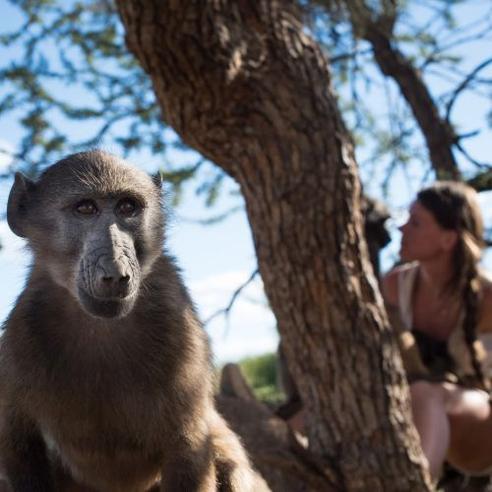
Regular activities include game counts, camera trap setting and collecting, footprint collecting, spoor counts, box trap checking, waterhole observations, radio-telemetry tracking of collared animals and search for cheetah marking trees. You may also join in with feeding the large carnivores and farmyard animals at the Sanctuary and enjoying walks with the baboons, caracals or spending time with our Wild Dogs.
After a 10.30 tea break, activities resume at 11am, continuing those listed above. You have free time during lunch, which is served between 1-2.30pm.

The working day finishes around 5.30 with a hot cooked dinner and volunteers have their own free time in the evenings, as well as all day Sundays.
Please be flexible as activities can change due to the needs of the animals and project. Volunteers need to be ready to take on any tasks that may be required of them, and to get dirty in the process! There are no special requirements in terms of background or qualifications for this project but participants should be fit to walk between 10-15 km on a daily basis across rough terrain and during high temperatures.

Fun activities & free time
During your stay at Solitaire the evenings are a time to unwind, get to know your fellow volunteers and relax after a long day in the field.

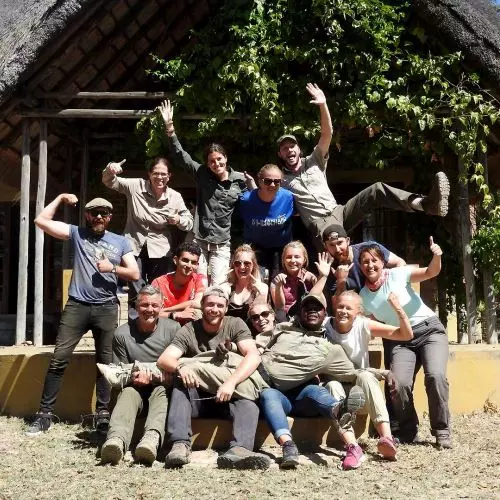
The small group of volunteers and the Research Co-ordinator will cook together and you can choose to spend the evenings as you wish with your fellow volunteers, stargazing or enjoying a drink at the nearby Guest Lodge.
When at the Namibia Wildlife Sanctuary, you will have the evenings to relax with your fellow volunteers and enjoy Sunday free to yourself (although the farm animals still need to be fed!) On weekends you may enjoy activities such as a nature walk across the farm, swimming in our pool, playing football against the Bushman, abseiling, or an eco challenge competing in groups against your fellow volunteers, sometimes followed by a braai (barbeque) in the evening.
The sanctuary offers a transfer into Windhoek every Sunday for N$150pp where you can visit the mall to pick up supplies, visit the internet cafe and enjoy a leisurely lunch at Windhoek's most famous game restaurant.
You can also choose to stay at the Luxury Guest Lodge - enjoy an evening meal or Sunday lunch, or stay overnight for a bit of luxury.

Solitaire Research Base and Activities
Situated at the edge of the Namib Desert, Solitaire is a small settlement in the Khomas region of central Namibia near the Namib Naukluft National Park. The surrounding area is sparsely populated and is a common stop-over for tourists travelling between Soussevlei and NamibRand and Windhoek or Walvis Bay.
The area consists of open grass plains, speckled with camel thorn trees and other mature trees, rough mountain ranges with stunning mountain features and dry riverbeds.

Here, the Research team re-introduce previously captive-held cheetahs into a soft-release camp and monitor their adaptation to the environment. In addition to the daily maintenance of the cheetahs (feeding and enclosure maintenance), we carry out research into the resident free-ranging large carnivores in the area to provide sound scientific data on the densities, home ranges and territories of cheetahs in the Solitaire area.
Research on site may include:
• Enclosure patrol of 500 hectare boma
• Camp maintenance
• VHF tracking of cheetahs in soft release camp

• Feeding and observations of carnivores in soft release camp
• Game census
• Research into resident free-ranging large carnivores
• Capture and collaring of resident free-ranging wild cheetah
• VHF and GPS tracking of wild cheetahs
• Camera trap setting and collecting
• Data entry and analysis

This Great Project plays a vital role in rescuing and releasing threatened cats in Namibia to help reduce human wildlife conflict. The overriding aim of the study is to alleviate existing human-wildlife conflicts using new approaches and assess whether translocations of cheetahs and leopards are a viable long-term option for dealing with so-called ‘problem animals'. Since the programme began in 2008 it has rescued and released 41 cheetahs, 20 leopards and 3 brown hyena.
This project has 4 release sites: NamibRand, Nature Reserve, Sandfontein Nature Reserve, Solitaire and our Windhoek study site. Our new research base in the stunning area of Solitaire hosts a 500 hectare soft release boma for cheetahs.

Only large carnivores who have been held in captivity for long periods of time or who have been rehabilitated from ill health, undergo a soft release rather than a hard release back into the wild. Cheetahs stay in this soft release site in order to acclimatise to the area and learn how to fend for themselves once again. The duration of their stay depends on how successfully the cat adapts to their new environment but can be between 6-12months.

What is the weather like in Namibia?
April to June is one of the best times to go to Namibia, with warm daytime temperatures of about 25°C, and slightly cooler nights.
June to September is the driest time of the year when daytime temperatures average above 20°, but night time temperatures in the desert and on the central plateau can be freezing during these months.
October is the hottest month in Namibia with temperatures above 40°C. November to February constitutes the rainy season which is incredibly hot and humid.
As is typical of a desert to semi-desert region, hot daytime temperatures in Namibia are often coupled with very chilly nights.

How do I get to Namibia?
The capital city Windhoek, is the main entry point into Namibia. There are several daily flights from the South African cities of Johannesburg and Cape Town into Windhoek. There are also direct flights into Windhoek from several international countries.

Is malaria a risk in Namibia?
The majority of Namibia is free of malaria, with the exception of Etosha National Park, the Caprivi Strip and several close by areas in the north. Please consult your doctor or specialist before you go if you are considering traveling around Namibia.

What Kind of electricity plug will I need?
Namibian plugs have a voltage of 220V and a frequency of 50 Hertz. The plugs have 3 round-prongs.

What is the local currency?
The unit of currency is the Namibia Dollar (N$), which is divided into 100 cents. This is fixed to the South African Rand.
The Namibia Dollar and the South African Rand are the only legal tender in Namibia and both can be used freely to purchase goods and services

For more FAQs please see our FAQ section here

Reviews coming soon!

ACCOMMODATION AND FACILITIES
At the release site volunteers will stay in luxury tents with bedding provided but we recommend you bring your own sleeping bag especially during the winter.
Showers are communal with hot water and electricity is available at a nearby lodge for charging phones and cameras. You will prepare your food together with the Research Co-coordinators which usually consists of cereal for breakfast, sandwiches for lunch and a dinner of meat, pasta, rice and vegetables. You can buy snacks and drinks (soft and alcoholic) either from the Sanctuary, on route to the release site or from a nearby shop to the Research Base.
At the Wildlife Sanctuary there are two options of accommodation; volunteer rooms with up to three people (same gender) sharing each room, or large tents with a living and bedroom area to be shared by two volunteers (same gender or a couple). Showers and toilet facilities are communal and hot water is supplied by solar energy therefore some

Electricity is freely available, however please be aware that sometimes it has been known to cut off during storms. Power sockets for electrical items are available in communal areas.
Three meals are provided on a help yourself basis - Breakfast includes toast and cereal; Lunch includes pasta, wraps, burgers or stirfry; and Evening Dinners include meat, fish, vegetables, rice, potatoes and pasta. On weekends we often have a braai (barbecue). Tea and coffee are freely available throughout the day and other drinks and snacks can be purchased at the Sanctuary.
Please advise any special dietary requirements on arrival at the project. A vegetarian option is always available.

What's Included
• A contribution to the project itself including funding for items such as building materials, food, animal medications, tracking equipment etc
• Transfers to and from the airport
• Transfers to and from Namibrand
• Full orientation and support from the project managers
• Accommodation and meals as indicated

What's not included
• Return flights to Windhoek Airport
• Travel insurance to include cover for repatriation
• Visas
• Personal items eg clothes, travel goods etc
• Use of internet and telephone
• Soft drinks, wines and spirits
• Trips undertaken other than in the planned itinerary

Videos to come...