Namibia Wildlife Sanctuary
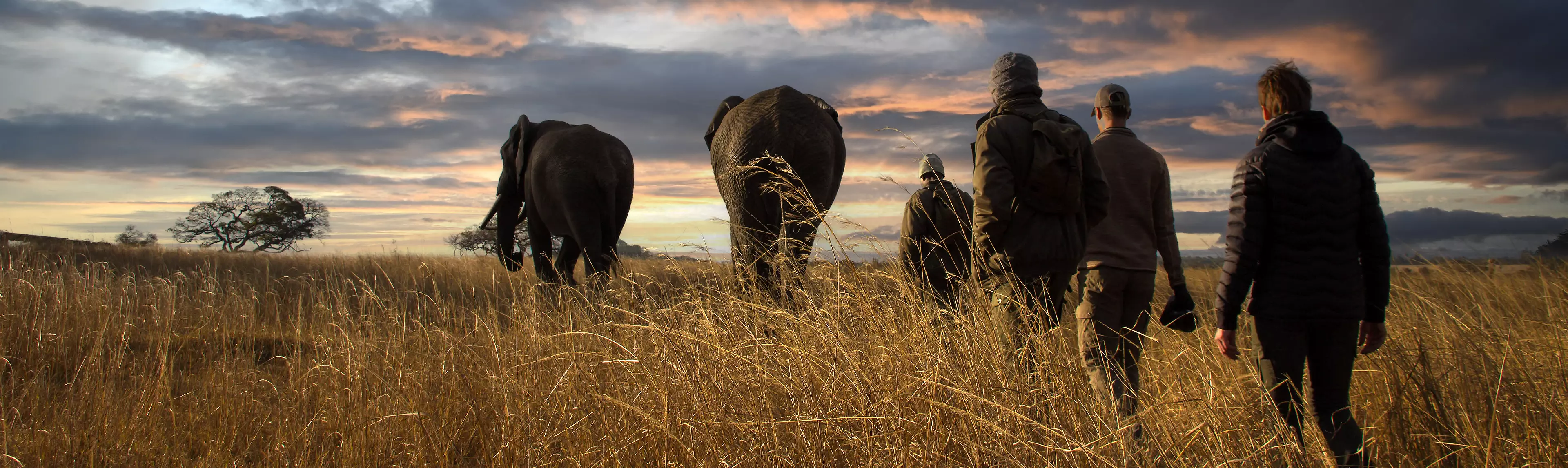
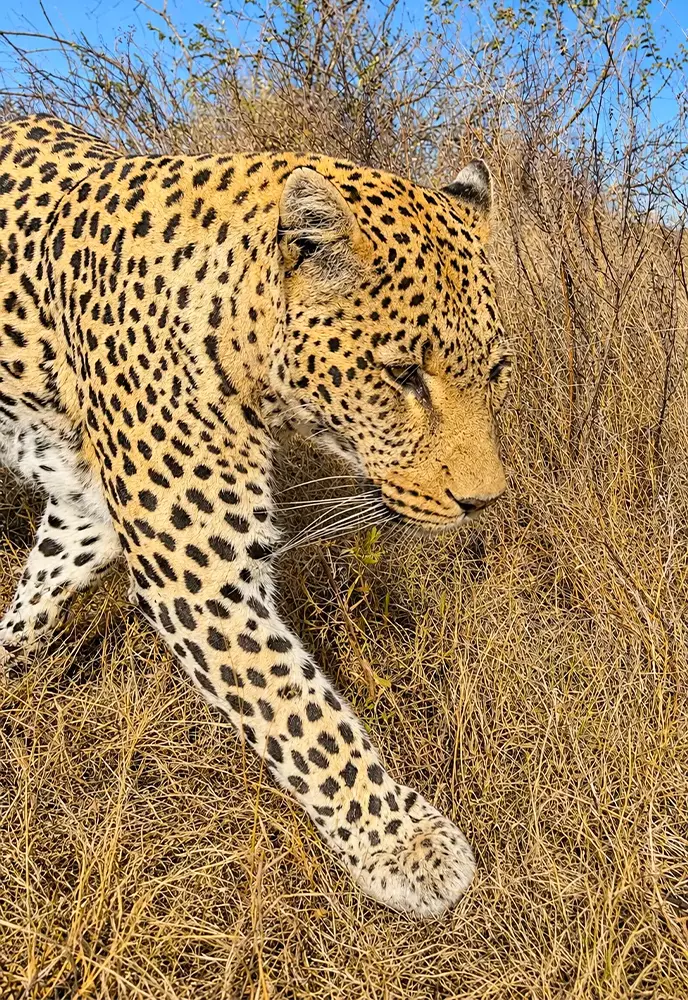
Experience hands-on conservation efforts with big cats, baboons and much more as a volunteer at the Namibia Wildlife Sanctuary!
Speak To A Travel Expert
Activities
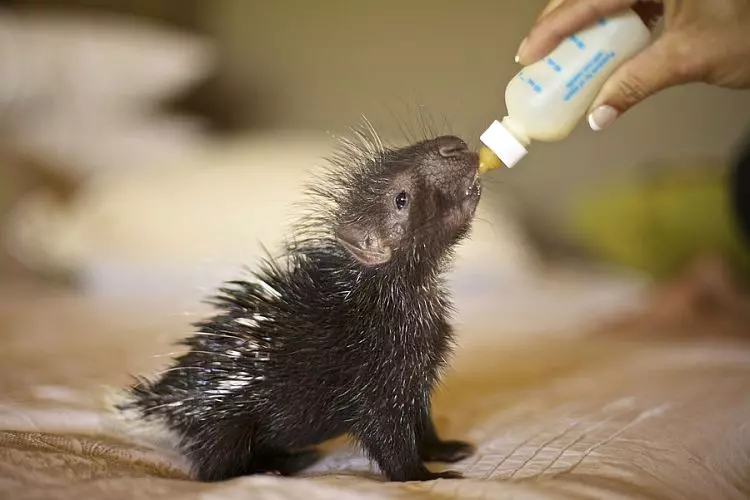
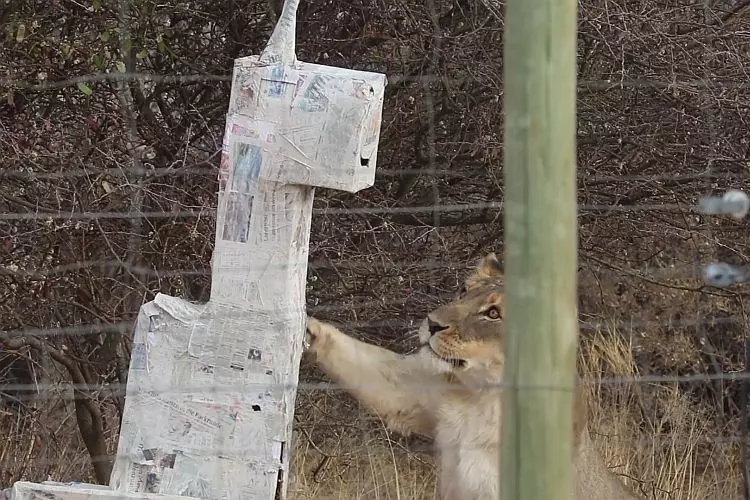
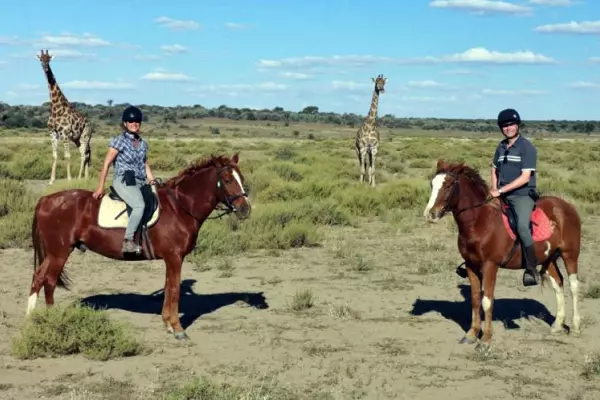
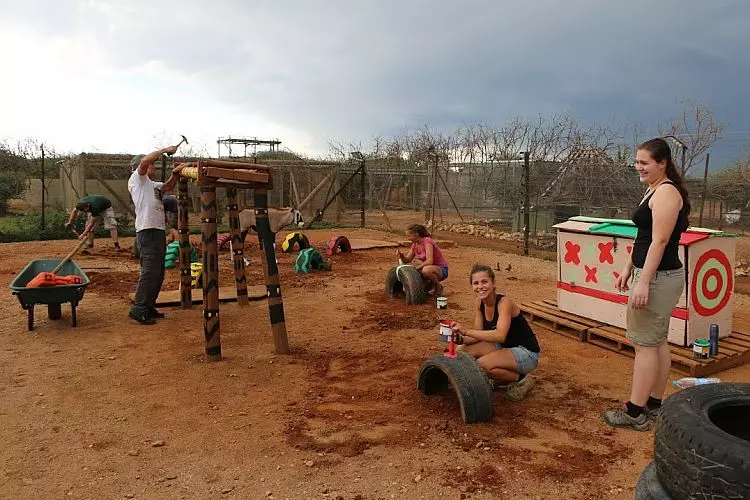
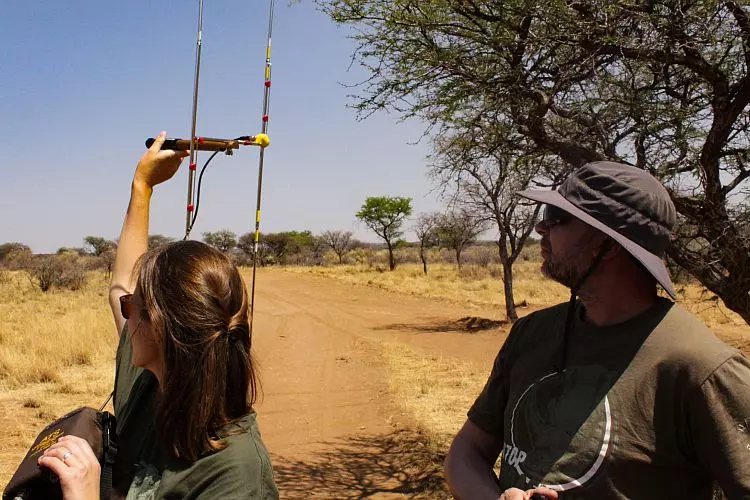
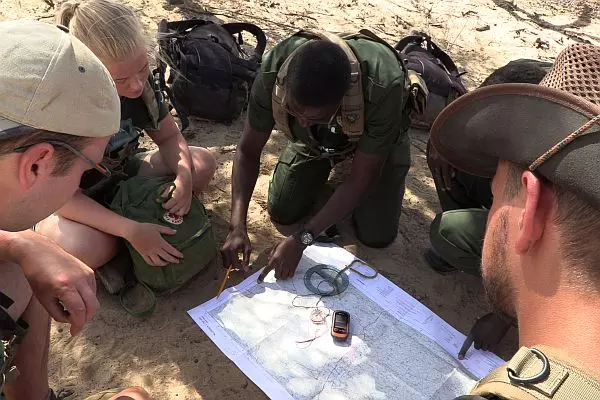
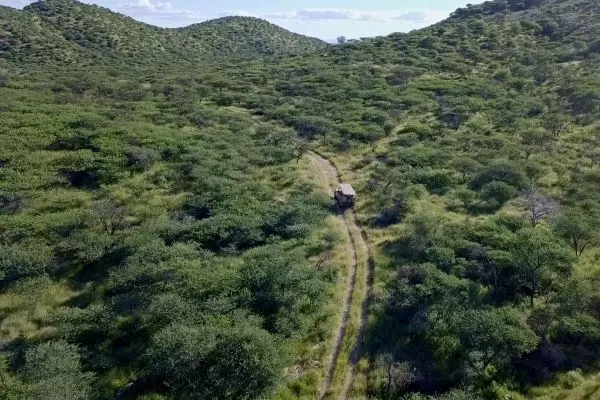
During your time on the project, you will have the opportunity to engage in a wide variety of activities. These will vary depending on the needs of the sanctuary, with other activities not listed here potentially taking place too.


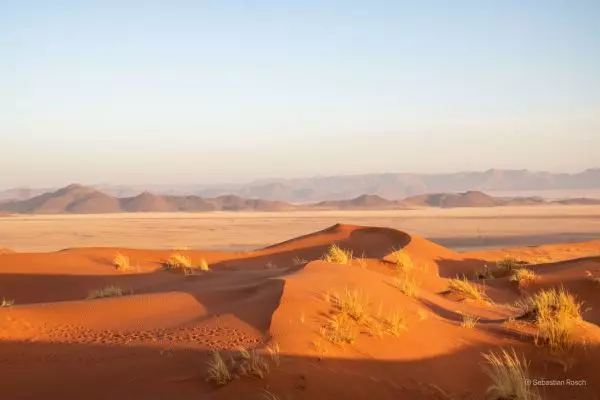
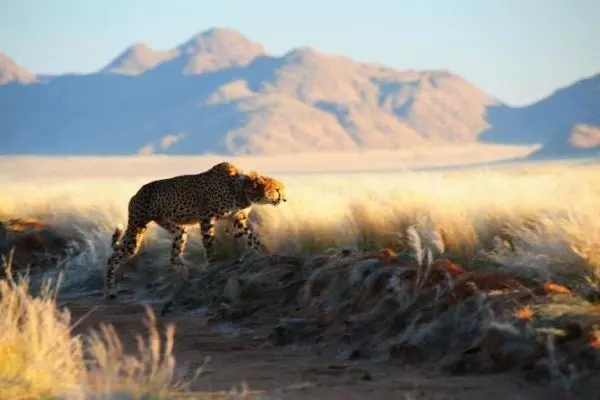
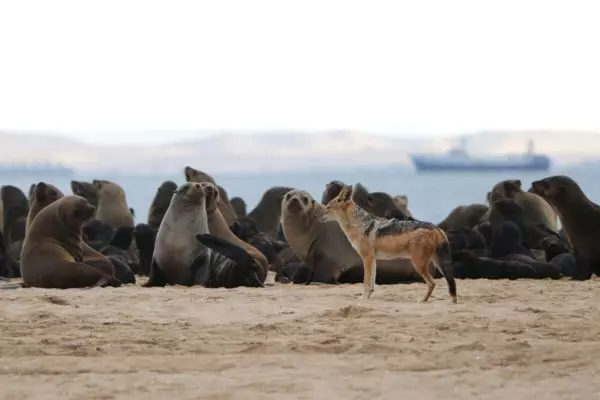
Itinerary
You can volunteer at the Namibia Wildlife Sanctuary in Africa for 2 to 12 weeks. Whilst on the project, you will be divided into smaller teams to ensure variety and equal opportunity when carrying out tasks and joining activities. Below is an example of a two-week stay, which will repeat for those who stay longer.
Day 1 - The Adventure Begins:
Upon arrival into Windhoek Airport, you will be met by a project representative and transferred to the sanctuary (a drive of approximately 45 minutes). Once at the sanctuary, you will settle into your accommodation and spend the rest of the day getting to know the other volunteers and project staff, as well as having some time to relax before your first day's work!
Day 2 - 14 - Project Days:
Your working week runs from Monday to Friday, with each day beginning with breakfast at 7am before a morning meeting at 8am where you will learn about your activities for the day ahead. After, you will begin your morning activity which typically runs until 1pm when lunch is served. Your afternoon activity will take place from 2-5pm, after which, you will have some time to shower and relax before enjoying dinner. Evenings and weekends can be spent at your leisure, and there is the option to go into Windhoek on a weekend or just relax and play games with your fellow volunteers.
Day 15 - Final Day:
Today will be your final day at the sanctuary. After fond farewells, you will be transferred back to Windhoek Airport in a private vehicle in time for your return flight, or to commence your independent travel plans. If you are staying in Namibia after your time at the sanctuary, it is also possible to be transferred to another accommodation in Windhoek.
Durations & Prices
Accommodation


Volunteer Accommodation
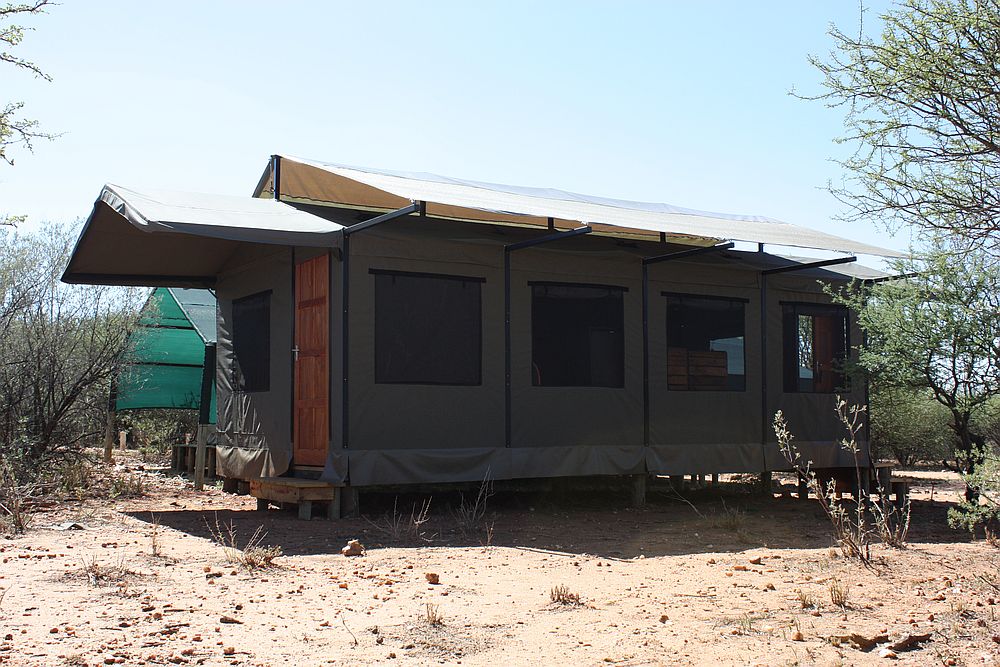
During your time on the project, you will stay in a fixed canvas cabin/tent. Each is complete with bed linens, plug sockets, electric lighting, and an open-roofed bathroom with a Western-style toilet and shower. Hot water is available for showers, however, as it is provided by solar energy, please be aware that it cannot always be guaranteed.
The accommodation is provided on a twin or triple-share, same-sex basis (except for couples who will be accommodated together), but it is also possible to pay a single supplement to have your own room (depending on availability).


Accommodation Upgrade
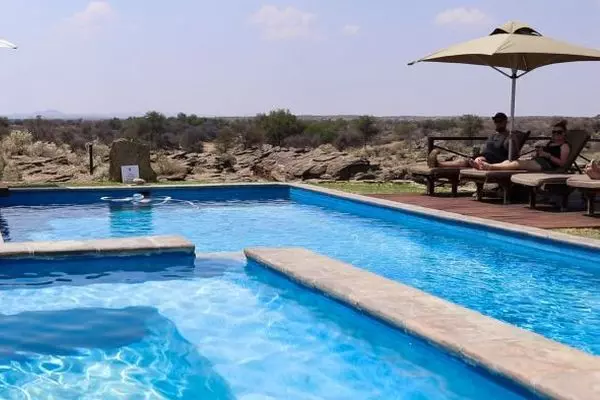
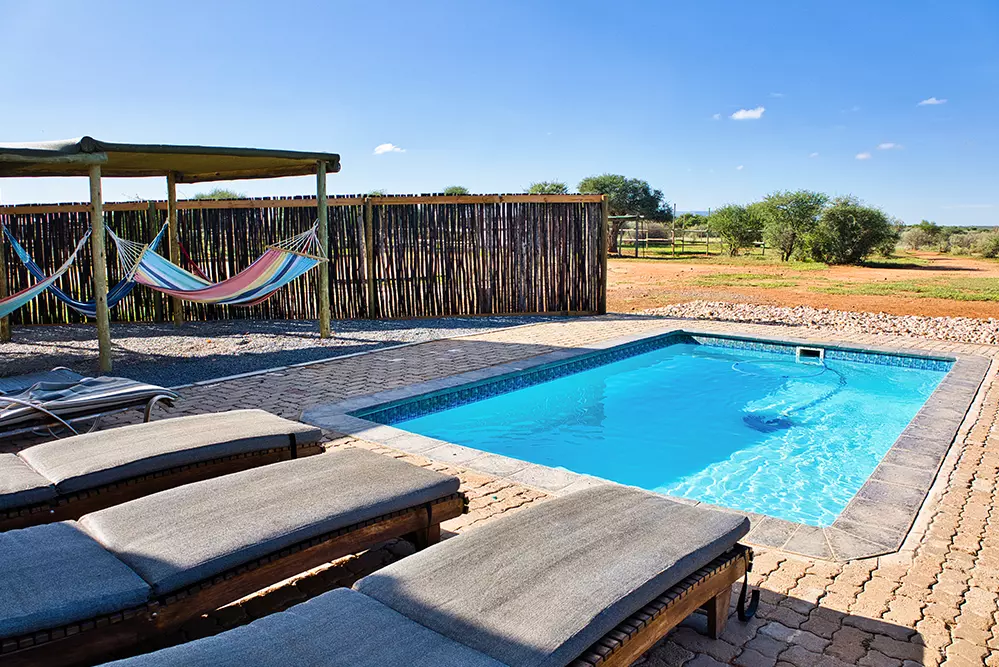
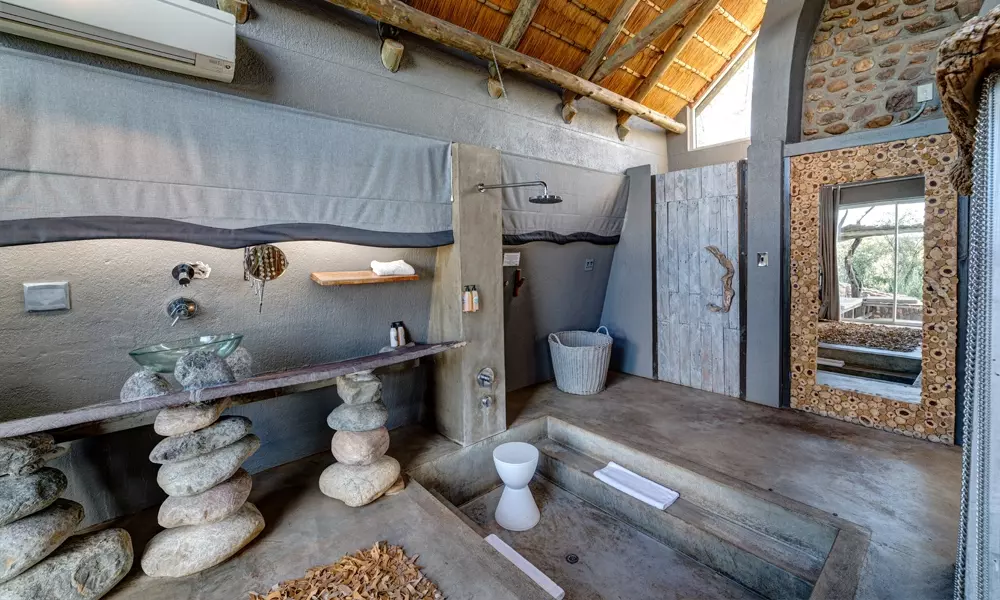
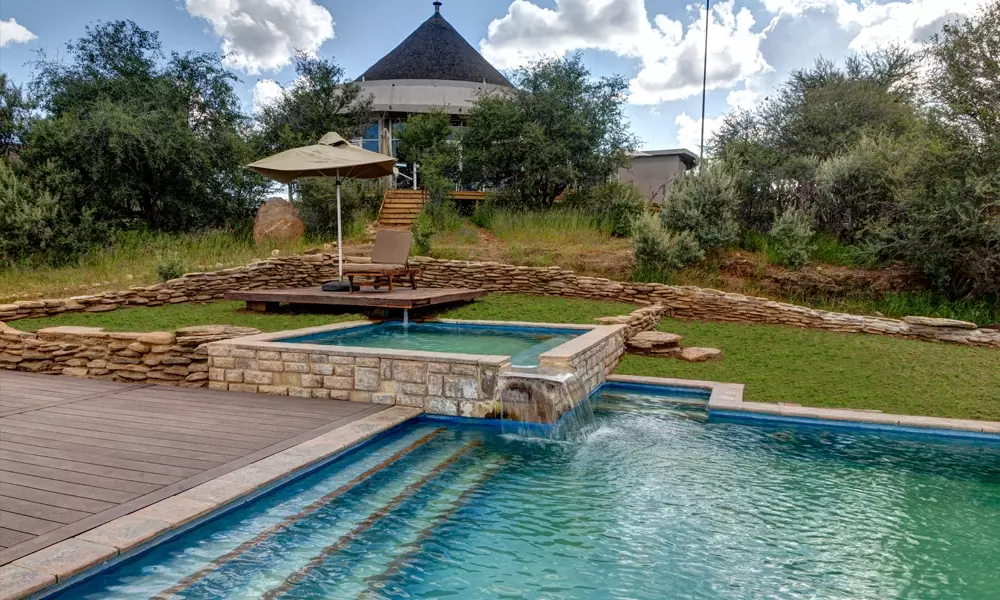
If you’d like to spend a night, a weekend or more of your volunteer experience in luxury, you can book a chalet at the beautiful on-site lodge. Each chalet boasts a private veranda overlooking the bushveld, air-conditioning and an en-suite bathroom. The lodge itself has a tranquil dining area with stunning views, a bar, and a swimming pool.
A night at the luxury lodge is charged at an additional $250 per night for a single room and $203 per night per person for a double room, and includes transfers, dinner and breakfast. For more information or to check availability, please contact our travel team.


Meals & Beverages
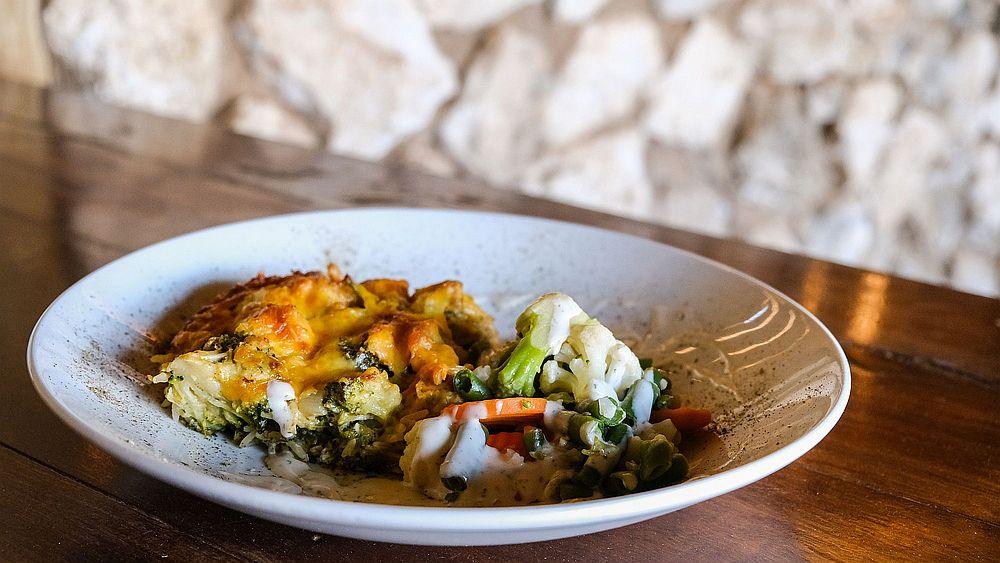
Three meals a day are provided for you at the sanctuary, with water, tea and coffee freely available. Breakfast includes toast, cereal, fruit and juices, whilst lunch typically consists of pasta, burgers, stir-fry and wraps. Dinner includes meat, fish, vegetables, potatoes and pasta served in a buffet style, and on weekends there is often a braai (a traditional African barbeque)! A vegetarian option is always available, and vegans can be catered for too. Additionally, a range of snacks and drinks (including alcoholic beverages) can be purchased at the sanctuary.
Project Details
When is the best time to volunteer?
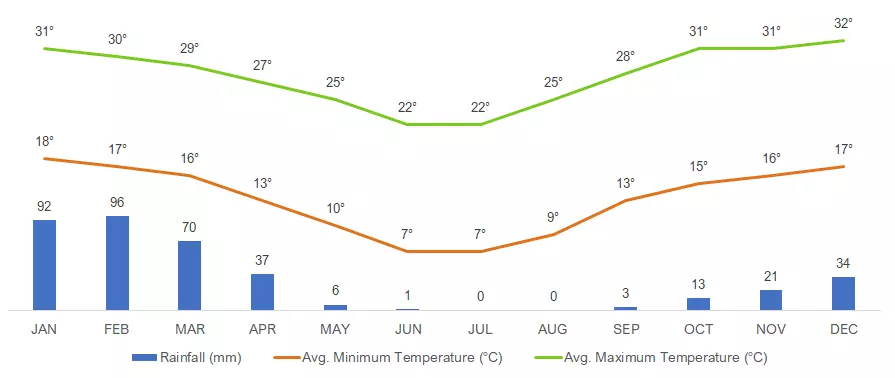
As this project is based at a wildlife sanctuary, there are animals here year-round, meaning there is no favourable time to volunteer regarding wildlife. Weather, however, can impact some people’s decision, and there are two distinct seasons which are explained in more detail below.
October – April: The daytime temperature during these months is between 27-32°C (81-90°F), and it remains warm at night with temperatures of around 15°C (59°F). December to March is also the rainy season, with some rain expected every few days, but not too much.
May – September: This is the driest period of the year, with nearly no rain at all. It is also cooler during the day; however, temperatures still reach 28°C (82°F). The biggest difference during this season is the night-time temperature which is much colder and averages 7°C (45°F) but can drop below freezing. Therefore, if you travel during these months, you will need some warmer clothes for the evening.
Public Holidays: Throughout the year, Namibia observes certain public holidays, including Christmas and Easter. On these days, activities are limited and primarily focused on animal feeding. Therefore, please be aware that if you join during a time when public holidays occur, your itinerary will be more limited on these days. (Public Holidays in 2026: January 1st, March 21st, April 3rd & 6th, May 1st, 4th, 14th, 25th & 28th, August 26th, December 10th, 25th & 26th.)
Booking Flights
You will need to fly into Windhoek International Airport (Hosea Kutako International Airport, airport code WDH) on your project start date, arriving between 7am - 6pm. You will be met in the Arrivals Hall and transferred to the sanctuary in a private vehicle. This transfer will take approximately 45 minutes.
There are several daily flights from the South African hub cities of Johannesburg and Cape Town, as well as a range of international destinations.
For your departure, you will need to book a flight that departs between 7am and 9pm, and you will be transferred back to the airport in time for your flight.
Visa Requirements
Citizens of most countries, including the UK, USA, Canada, Australia, Germany and most of those within the EU, will need to obtain a Visa On Arrival to enter Namibia.
This visa can be obtained online prior to travel and will permit a stay of up to 90 days. You will need at least 3 blank pages in your passport (which must be valid for a period of at least 6 months from your date of entry) for the immigration officials to use, and you must pay the visa application fee of N$1,600 (approximately $95).
If you are unsure of your individual visa requirements, we recommend speaking to your local Namibian embassy at least 2 months prior to travel.
Fitness & Skills
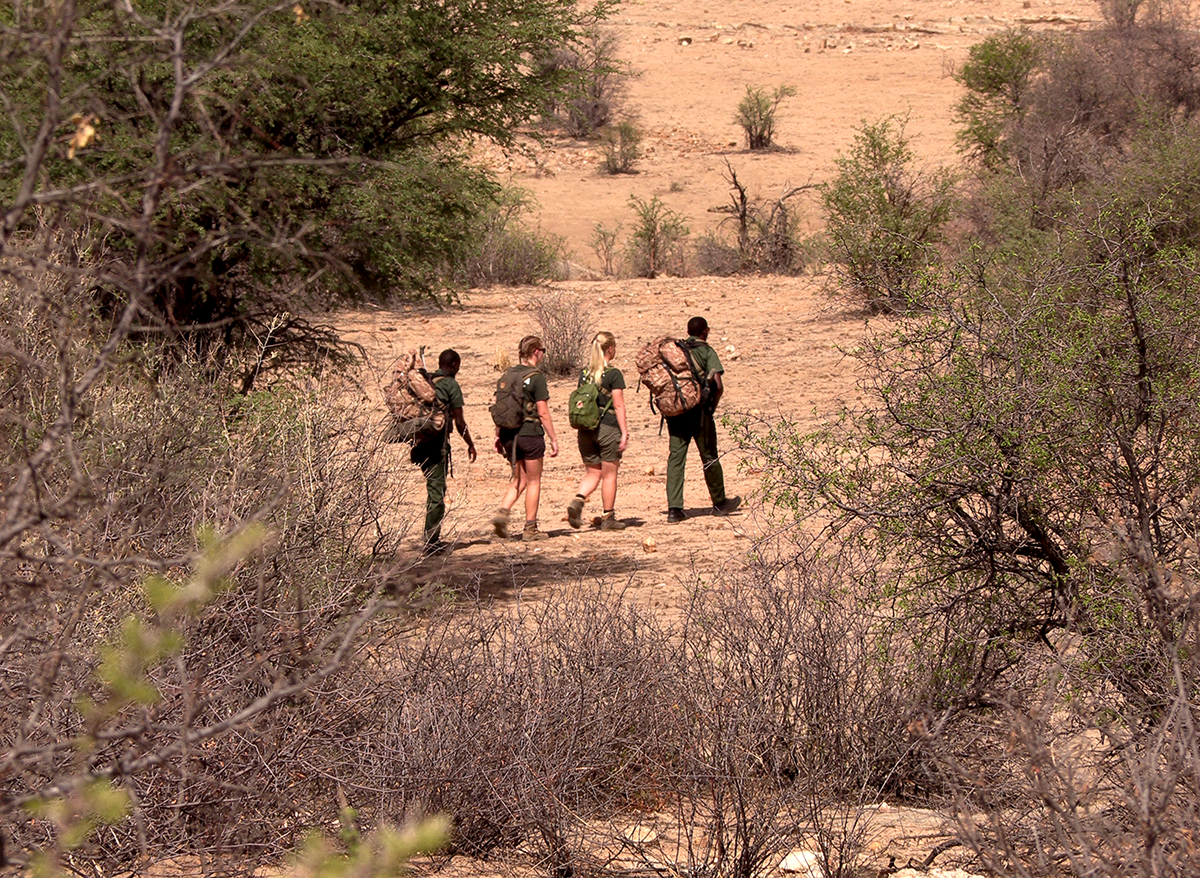
You will take part in a range of activities on this project, including construction and maintenance tasks; therefore, a moderate level of fitness is recommended. No specific skills are required; all we ask is that you arrive with a willingness to get involved with all activities and that you aren’t afraid to get your hands dirty! Respect for wildlife and the ability to work as part of a team are also important qualities for any volunteer.
Vaccinations
There are no specific vaccination or medical requirements needed to join this project. The vaccinations required will depend on the individual medical history of each volunteer. We recommend that you consult with your doctor/GP regarding your own vaccination needs as this will ensure you are protected and prepared to travel. In conjunction with this, we also recommend taking a look at the Travel Health Pro website for more helpful information on how to best prepare for your experience.
Videos
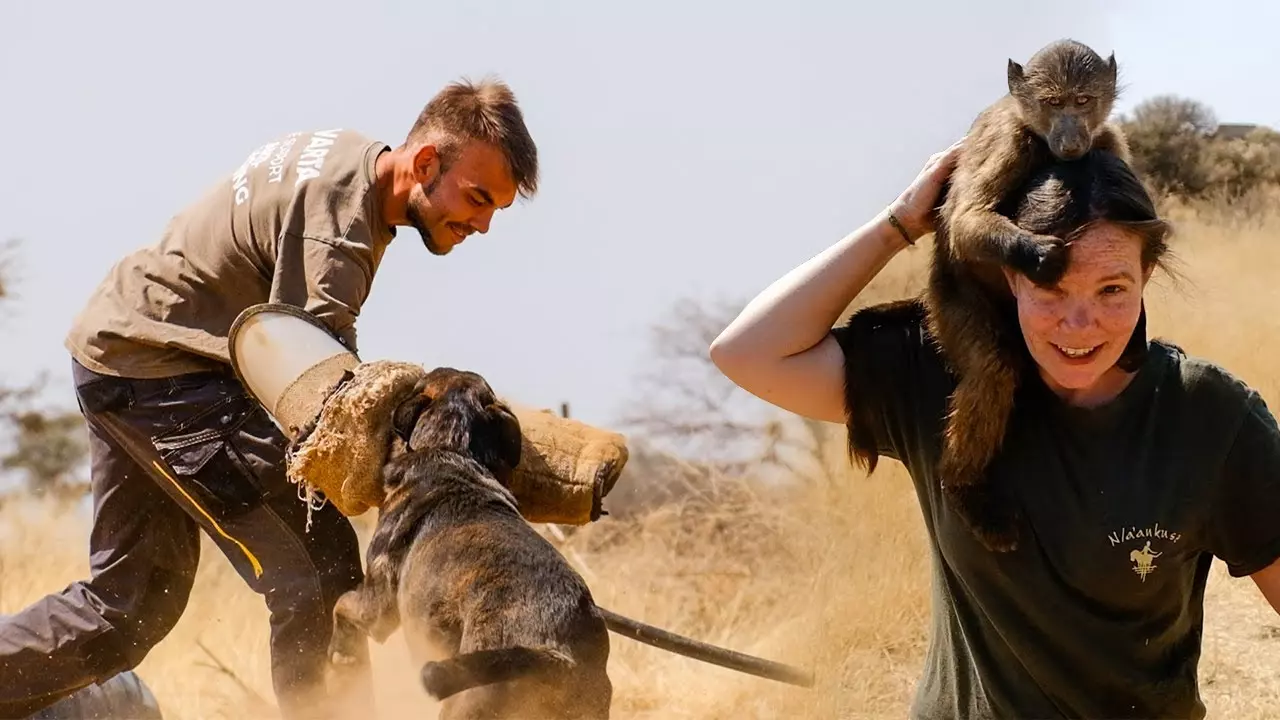
Experience The Namibia Wildlife Sanctuary
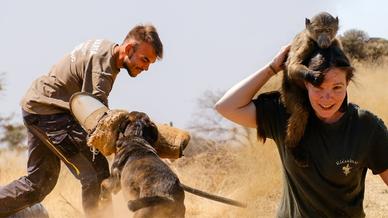
See what you could get up to as a volunteer at the Namibia Wildlife Sanctuary! This volunteer project offers you the chance to get up close and personal with some of the country's most iconic species.
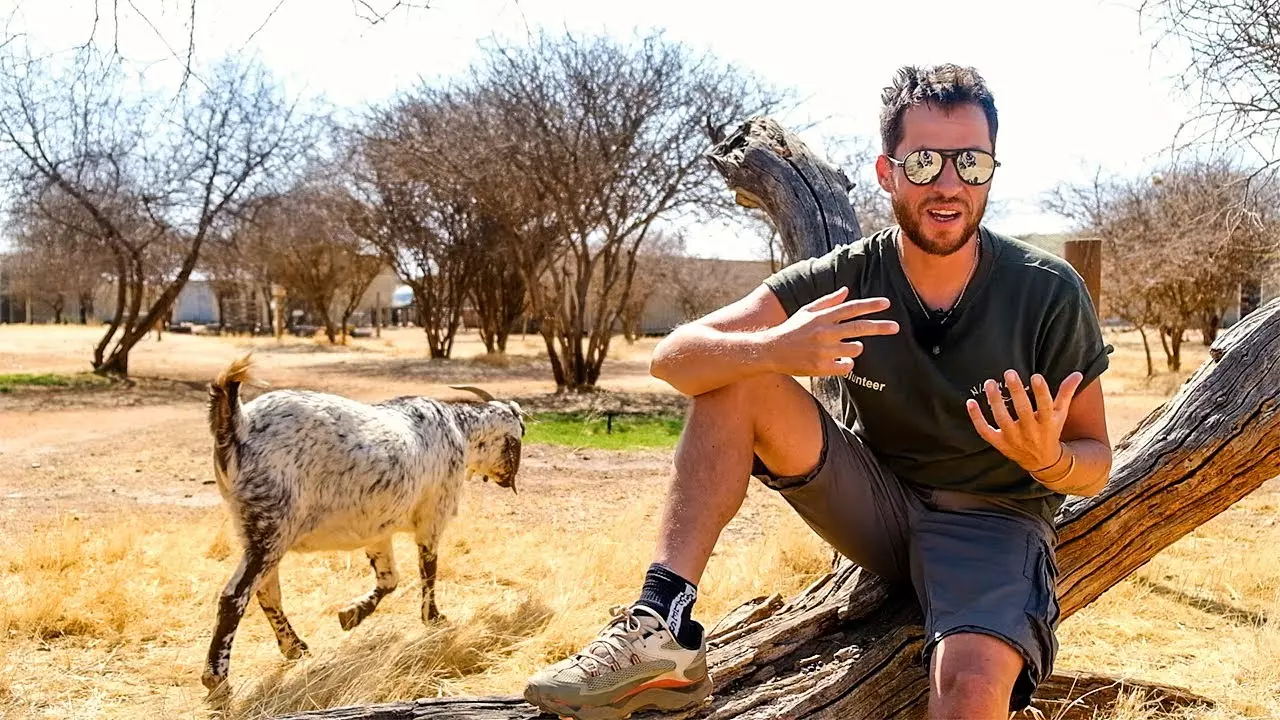
Volunteers Review Their Time at the Sanctuary
Meet Paulina, Liz, Tom and Laurent who review the time they spent at the Namibia Wildlife Sanctuary.
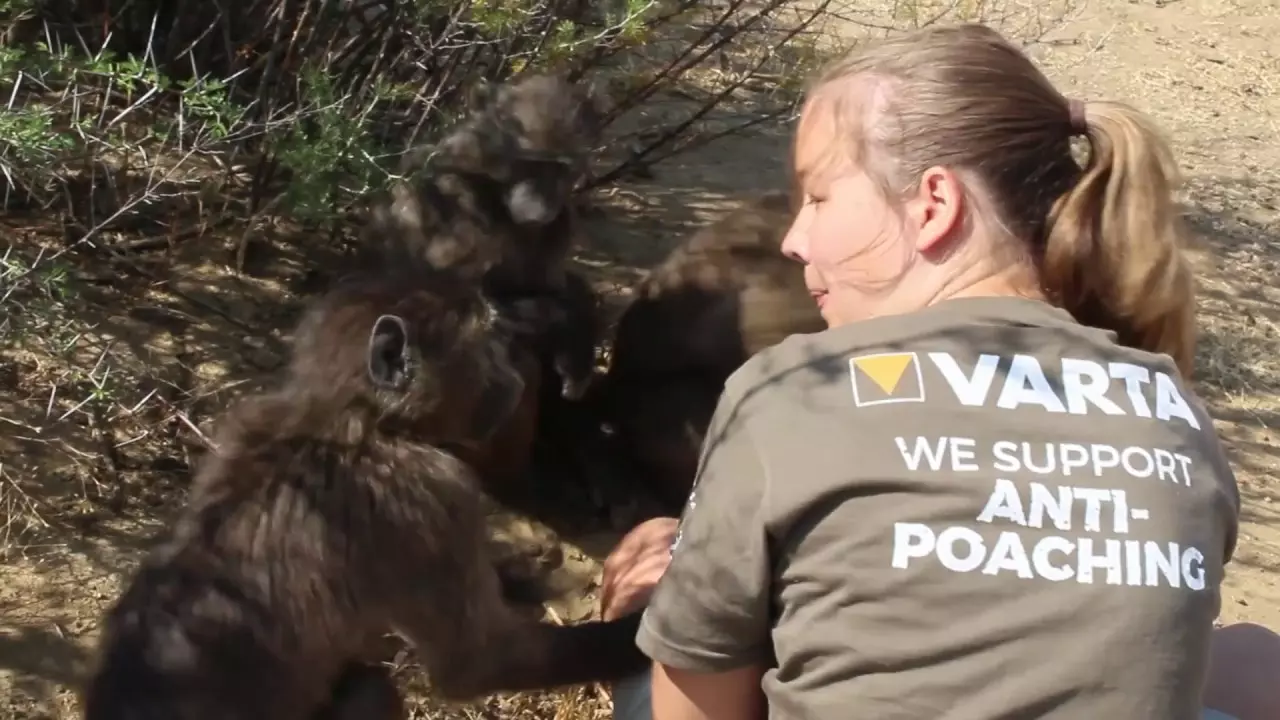
A Minute With The Baboons
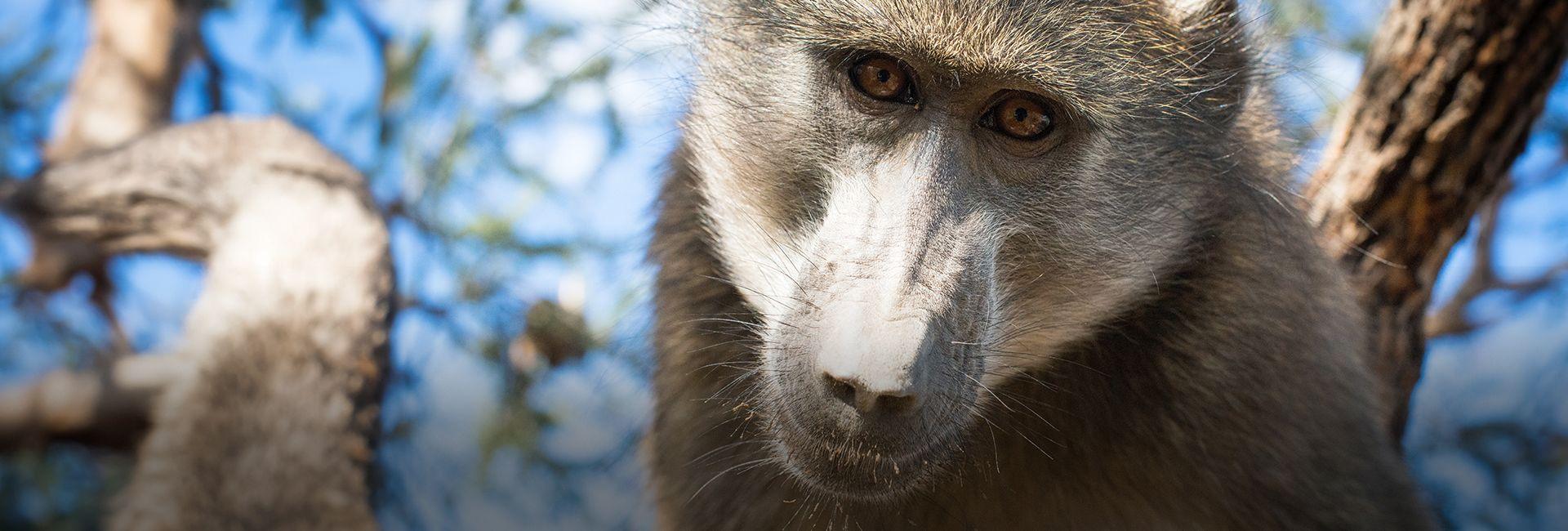
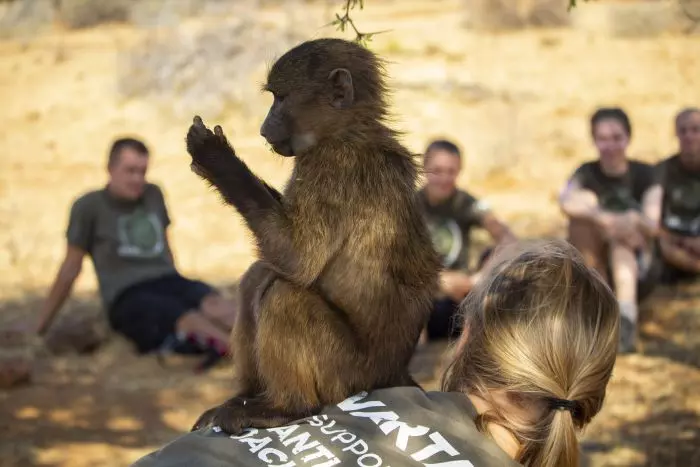
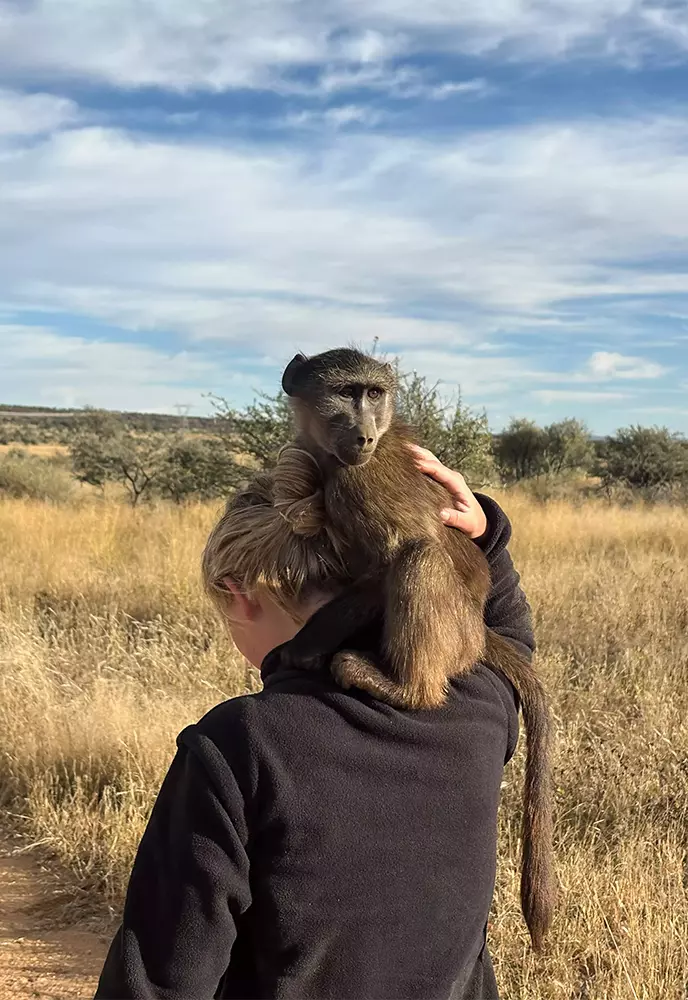
Spending time with the baboons is a firm favourite activity among all volunteers. Take a look and find out why!
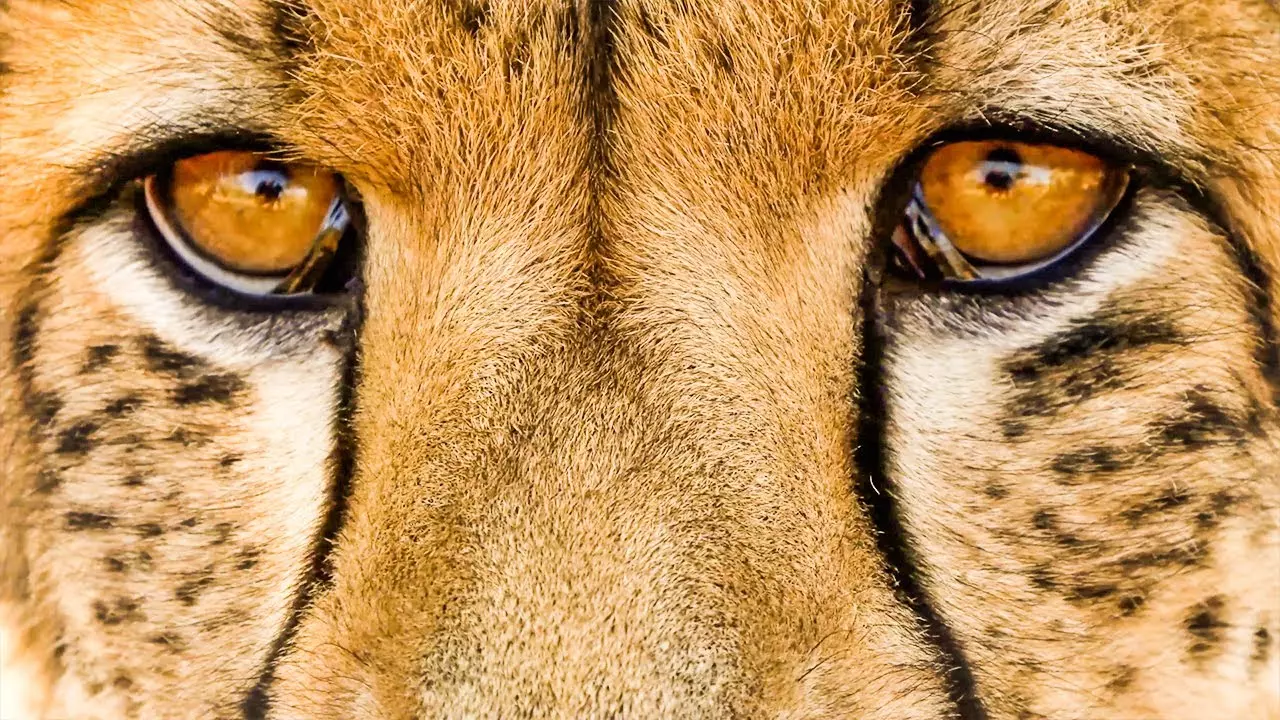
A Minute With The Carnivores
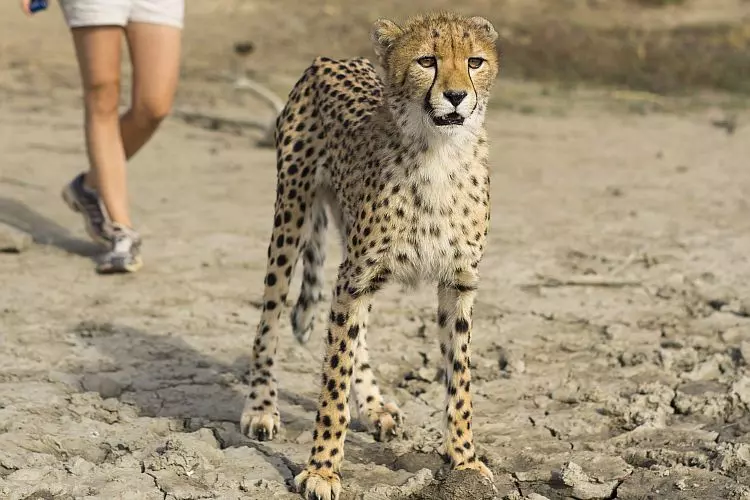
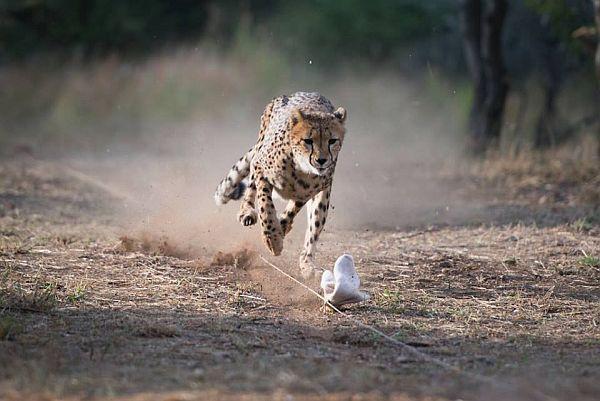
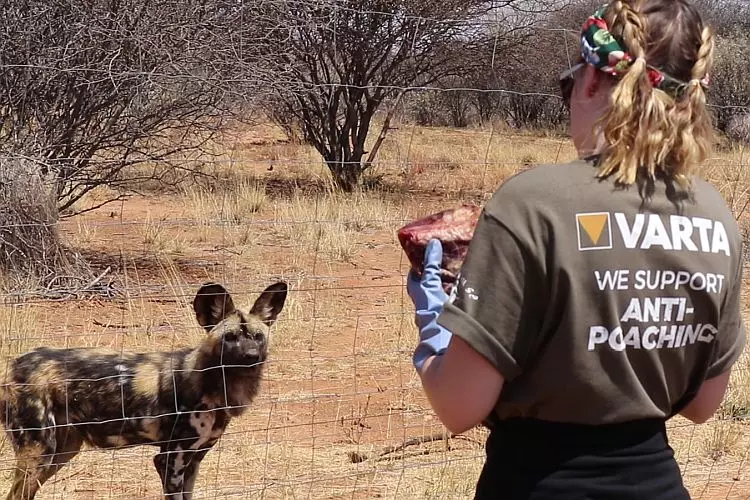
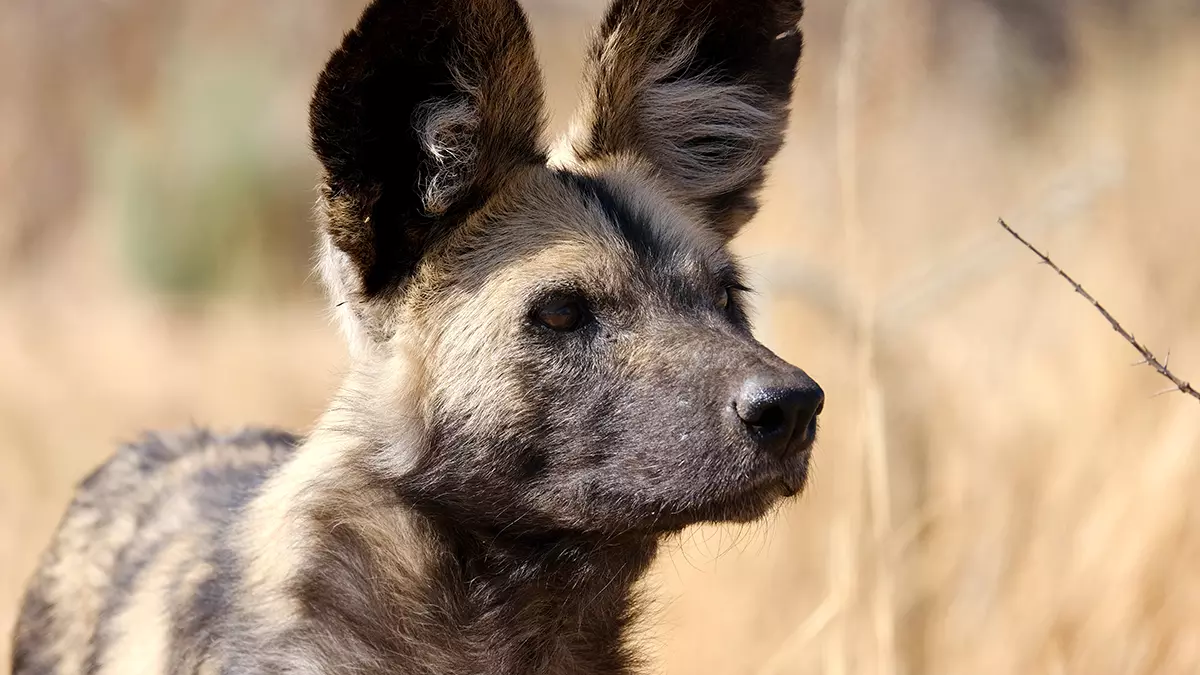
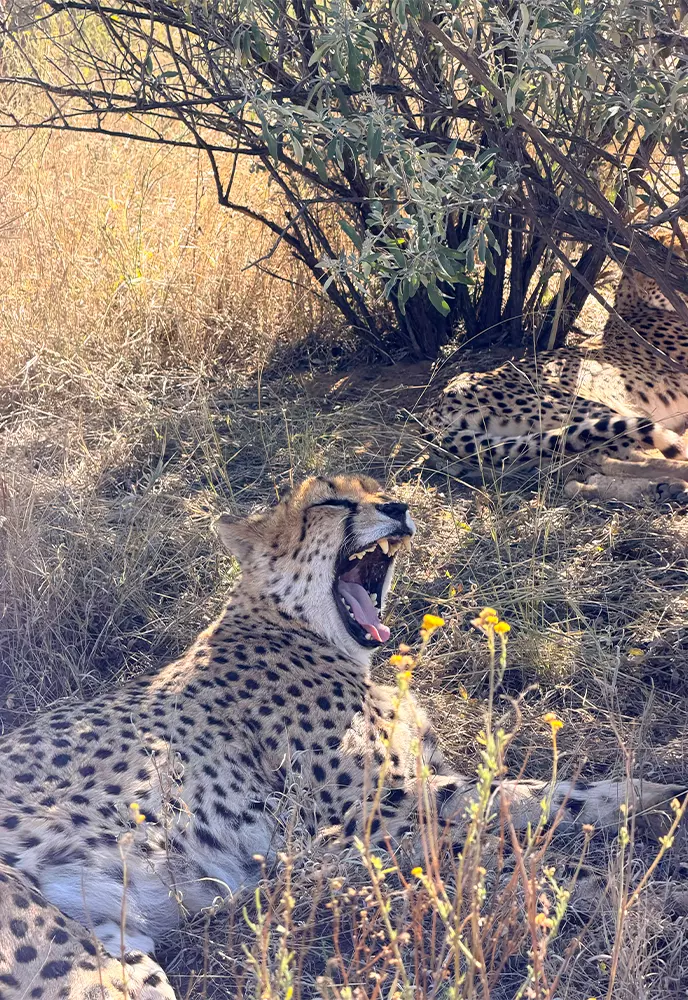
From lions and cheetahs to African wild dogs, take a look at some of the resident carnivores you might meet at the sanctuary.
Gallery


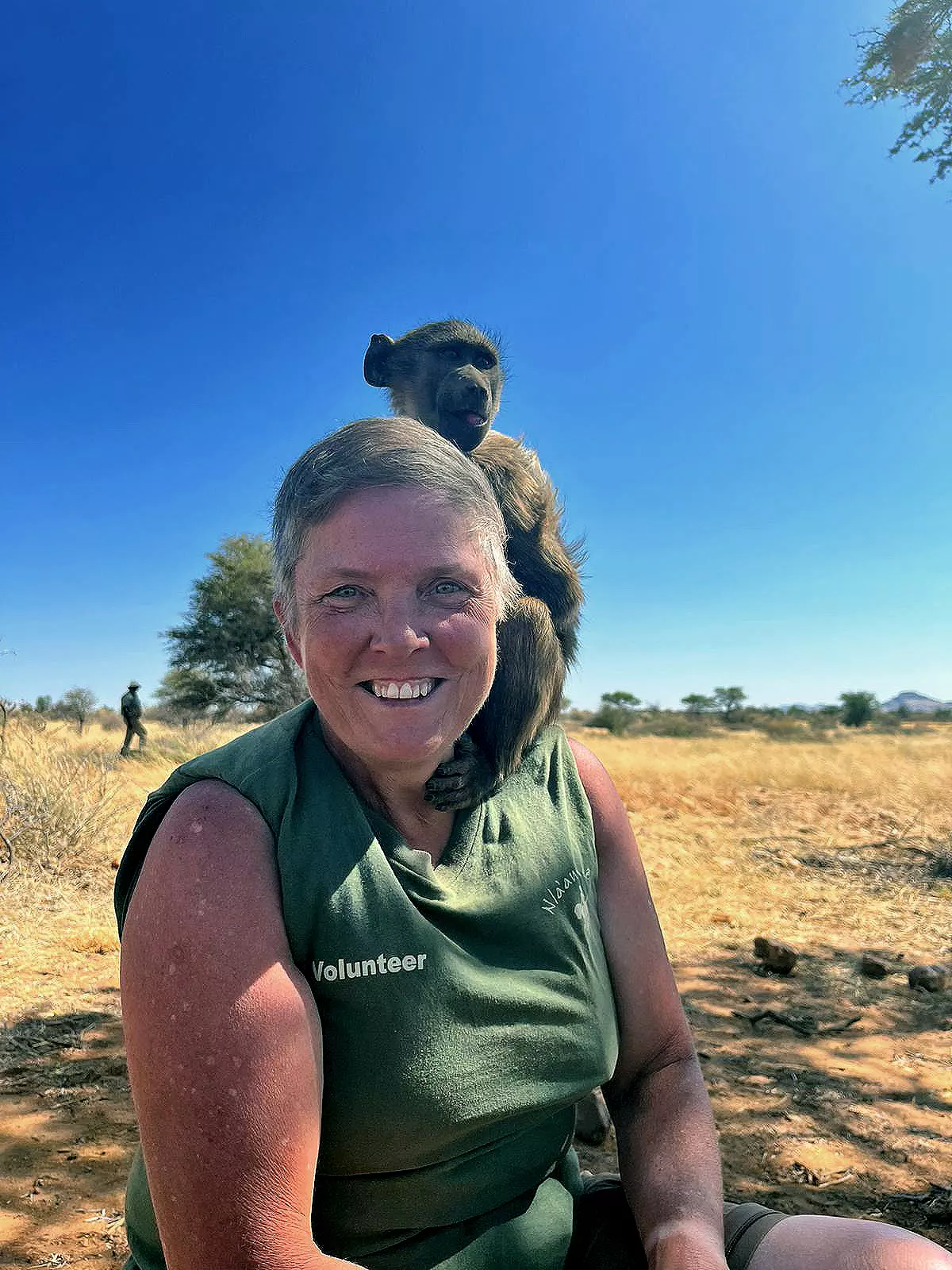
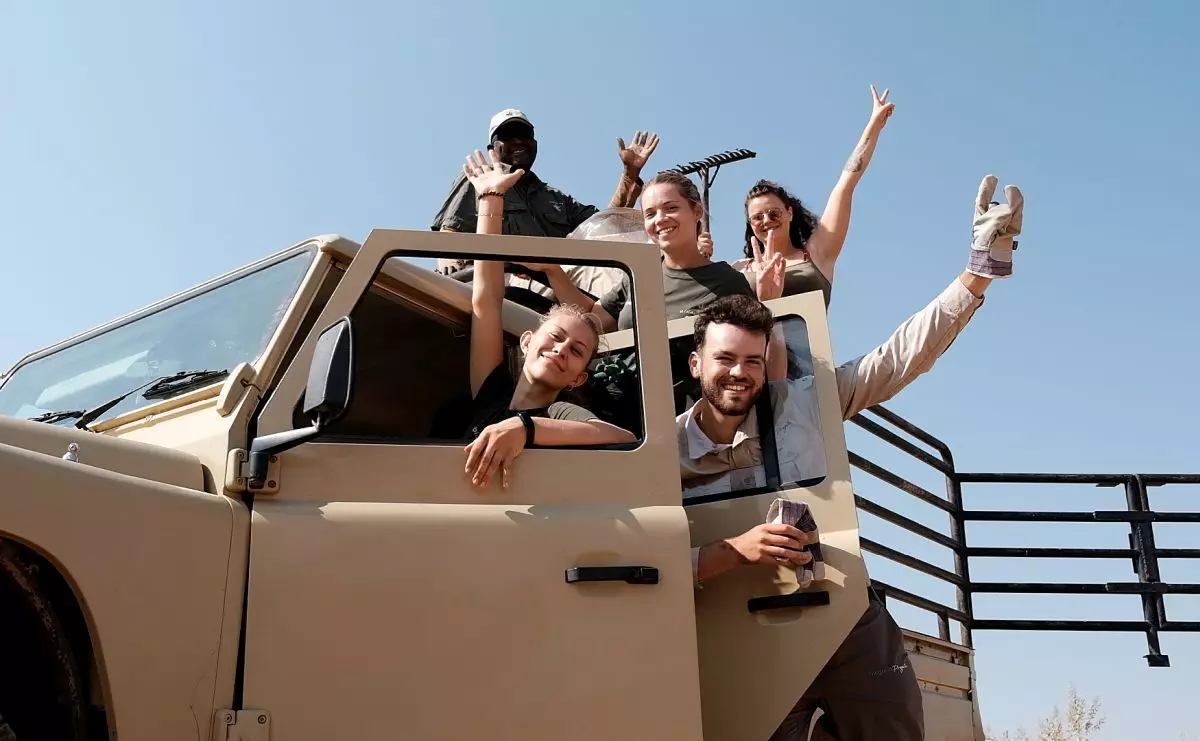
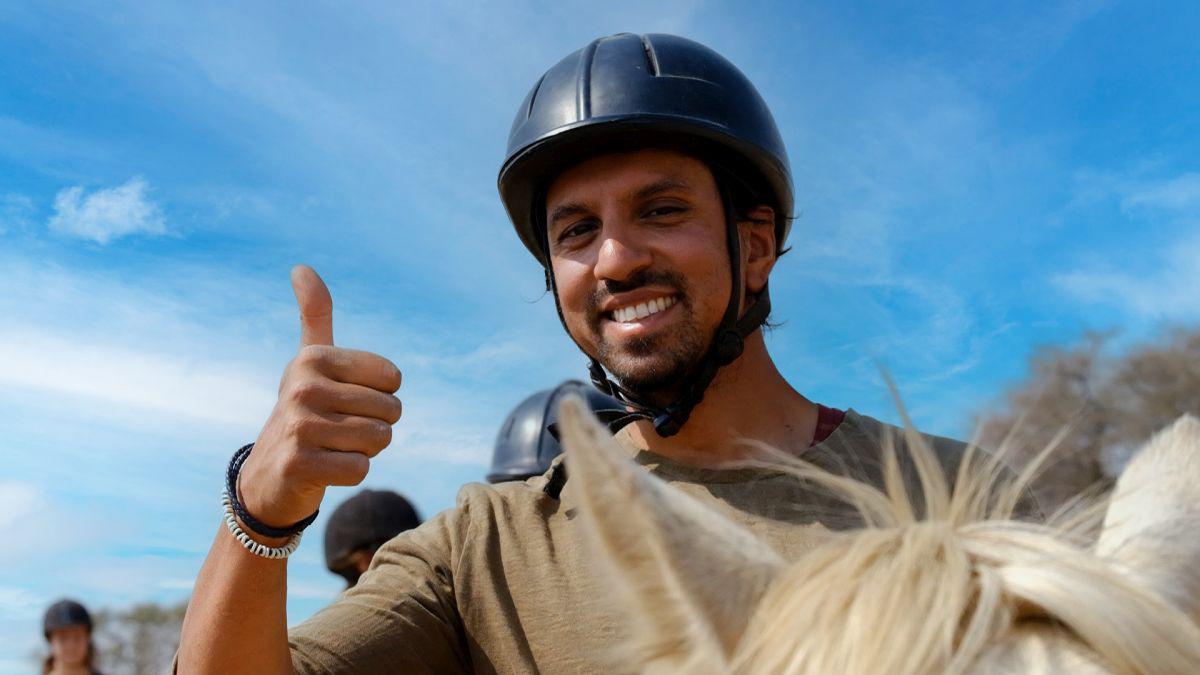
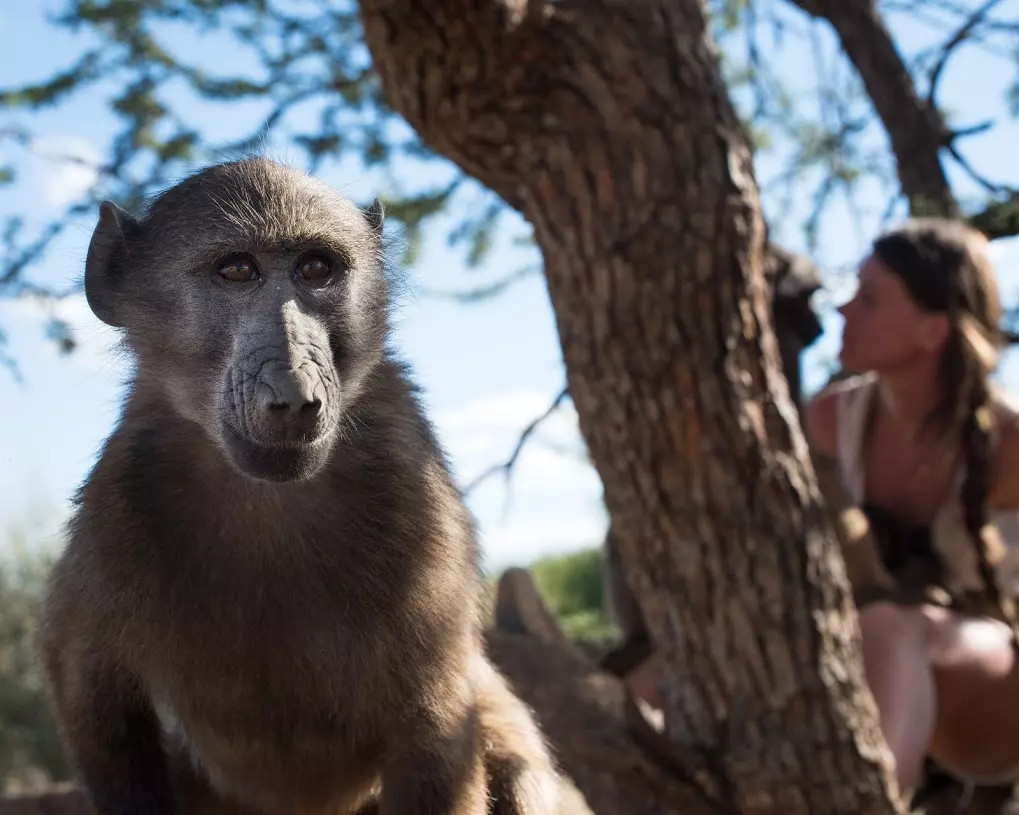

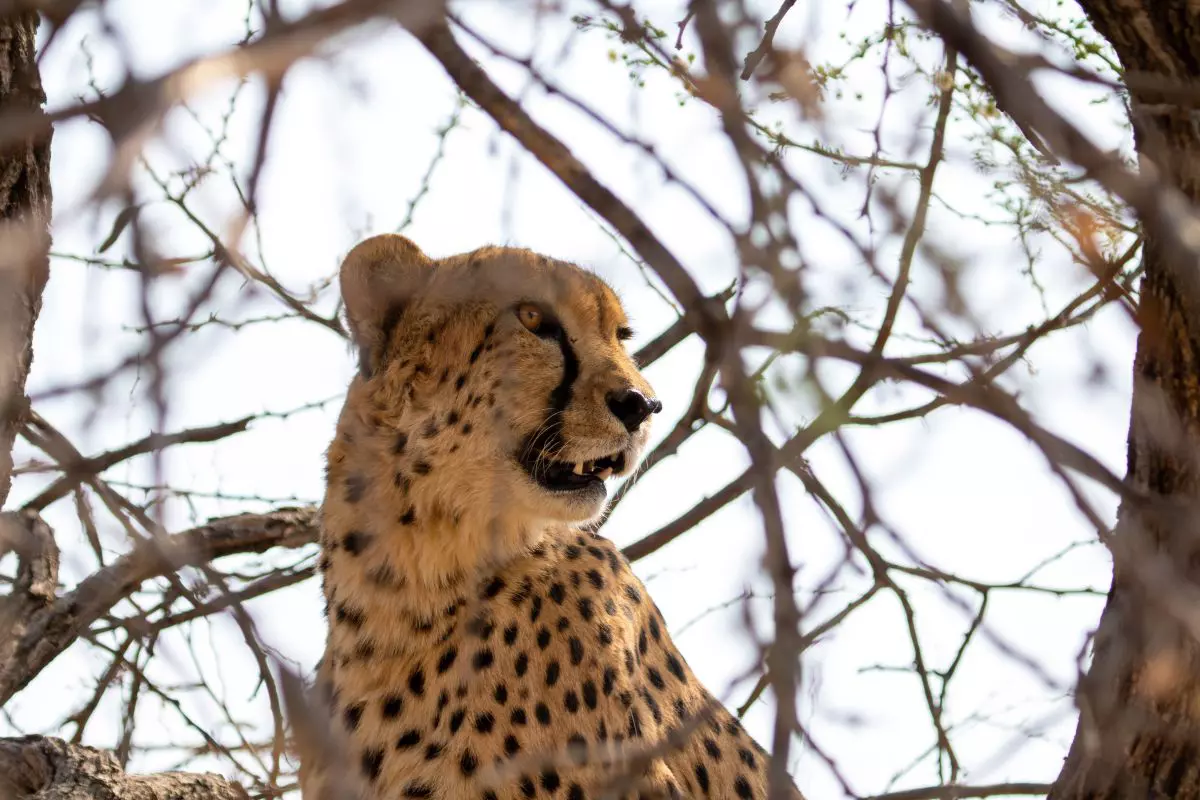
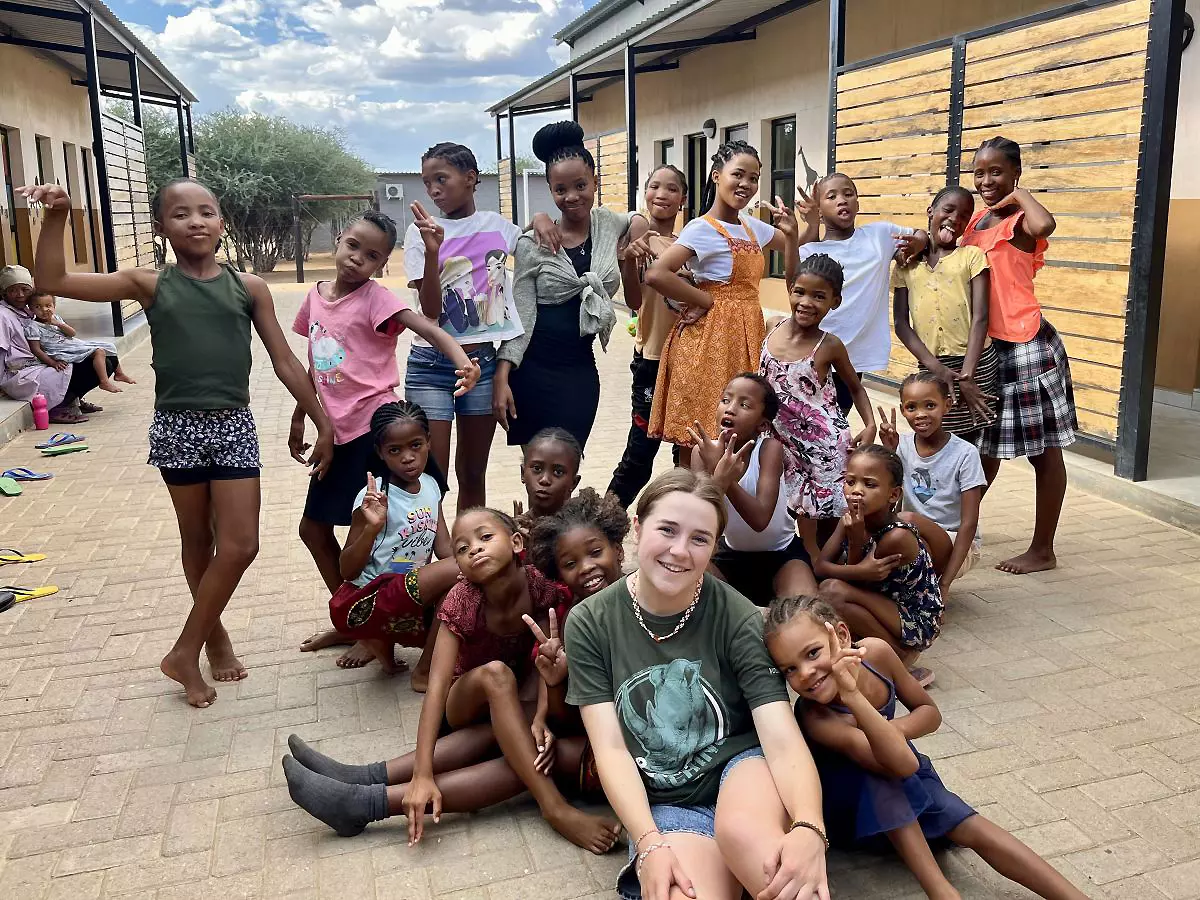
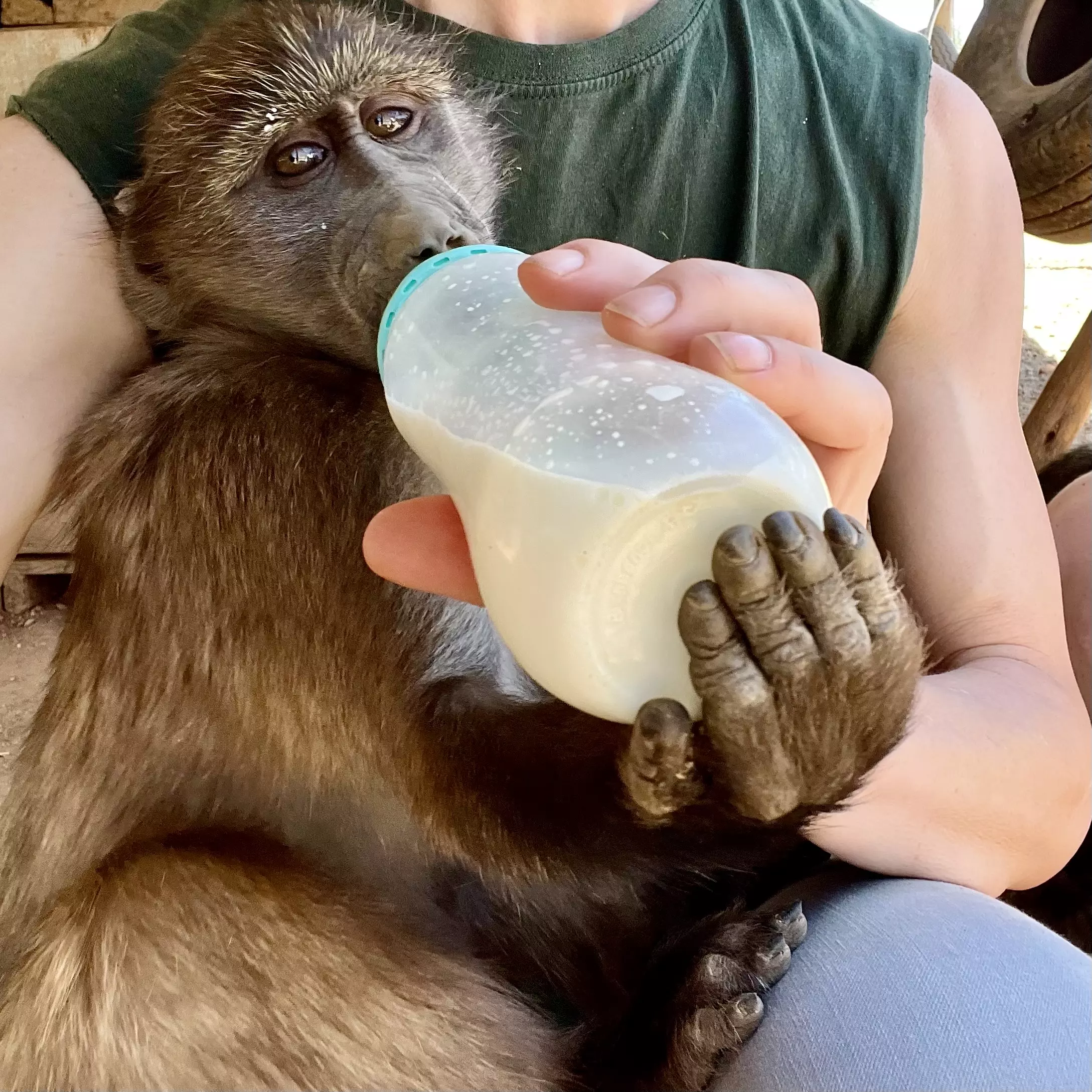
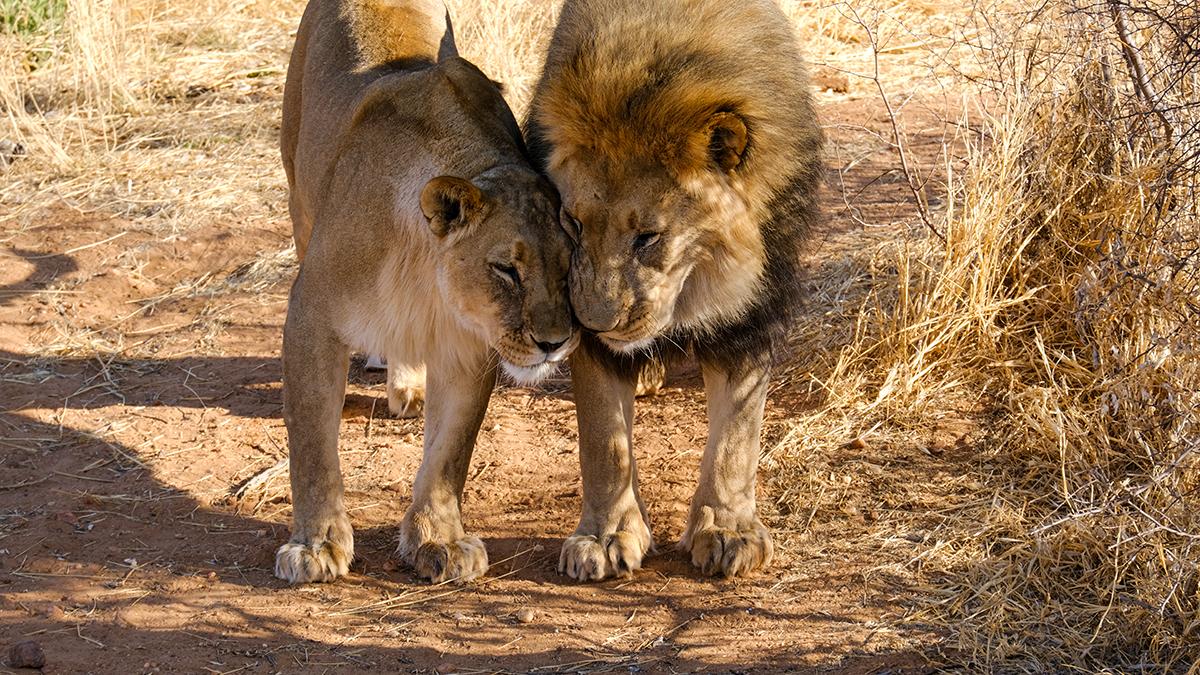


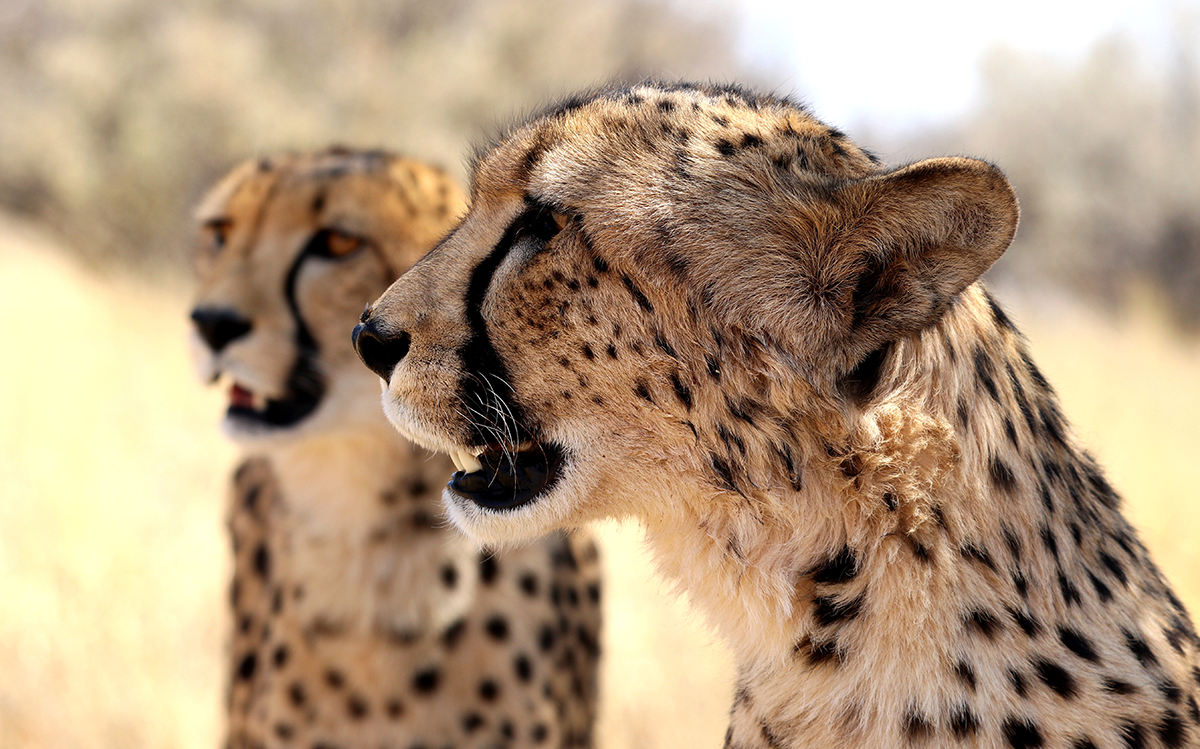
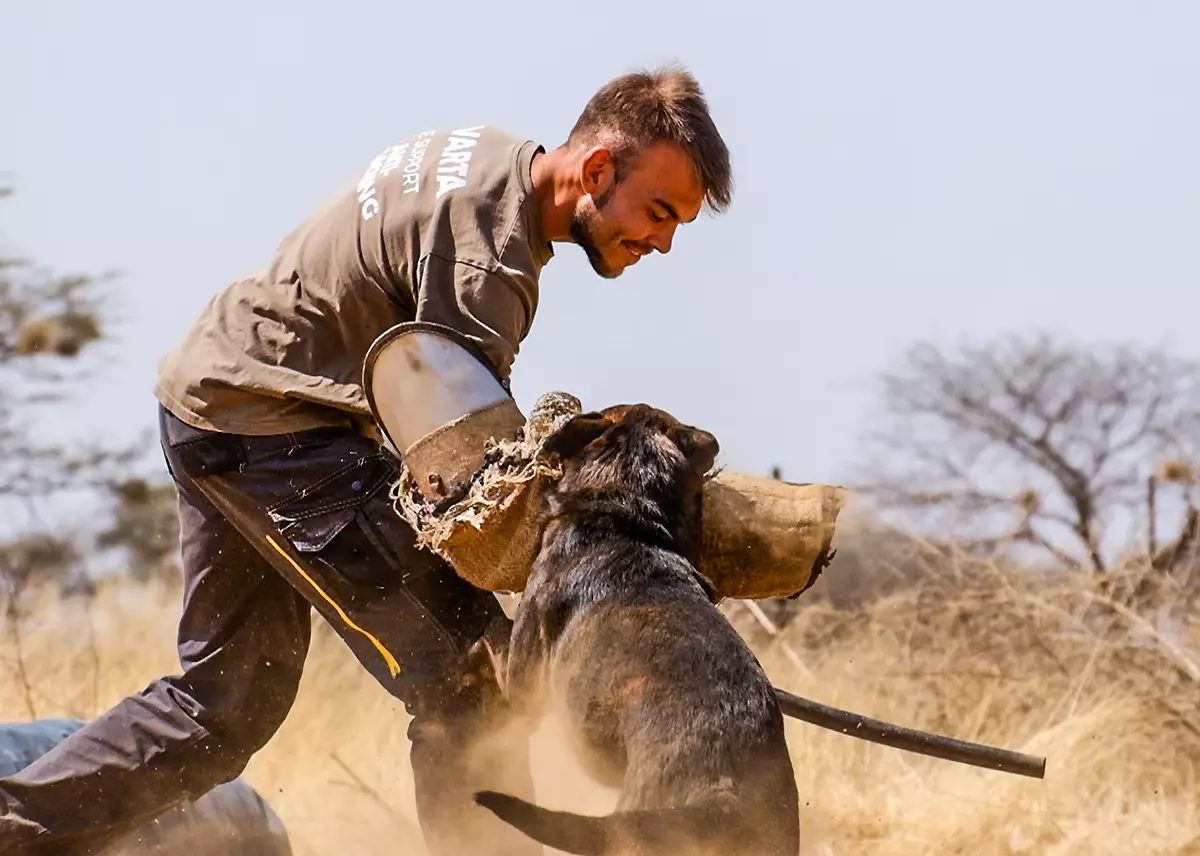
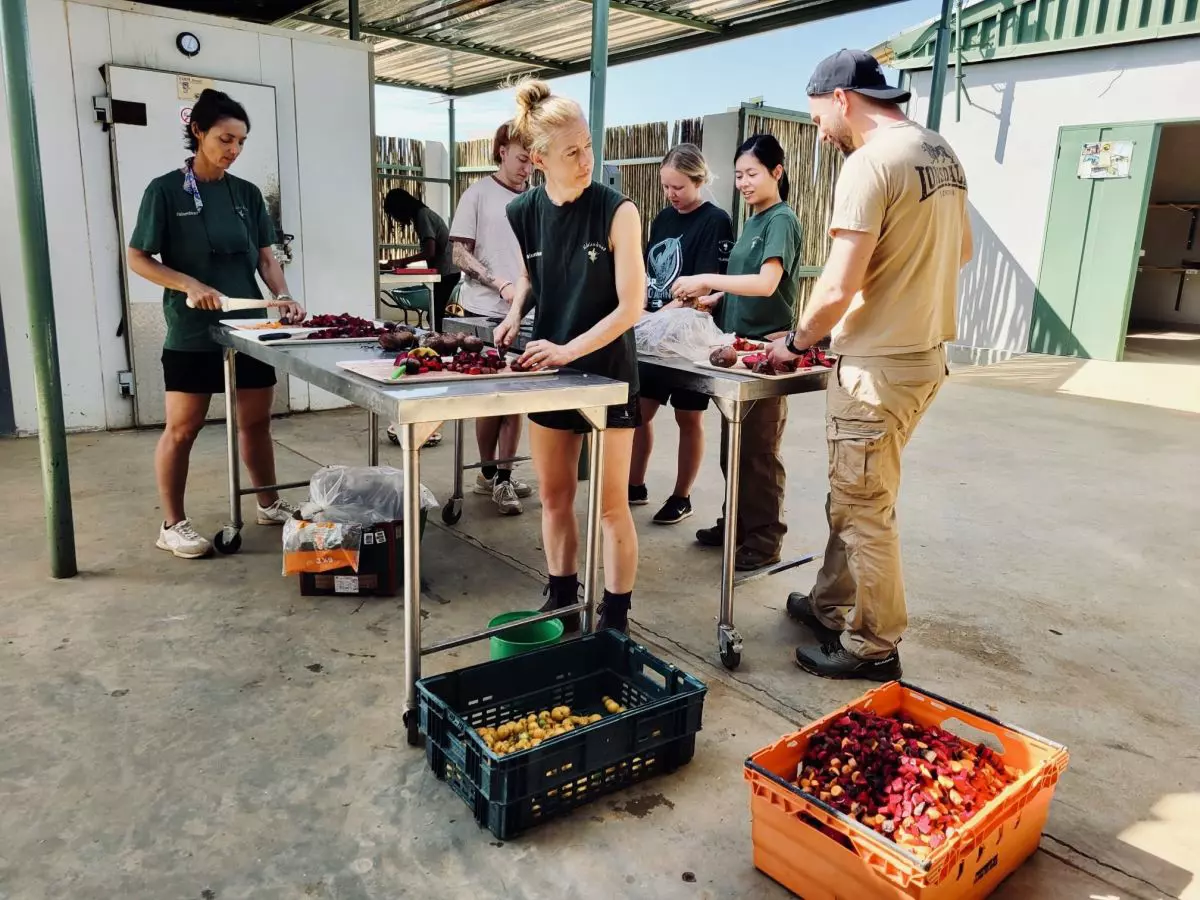


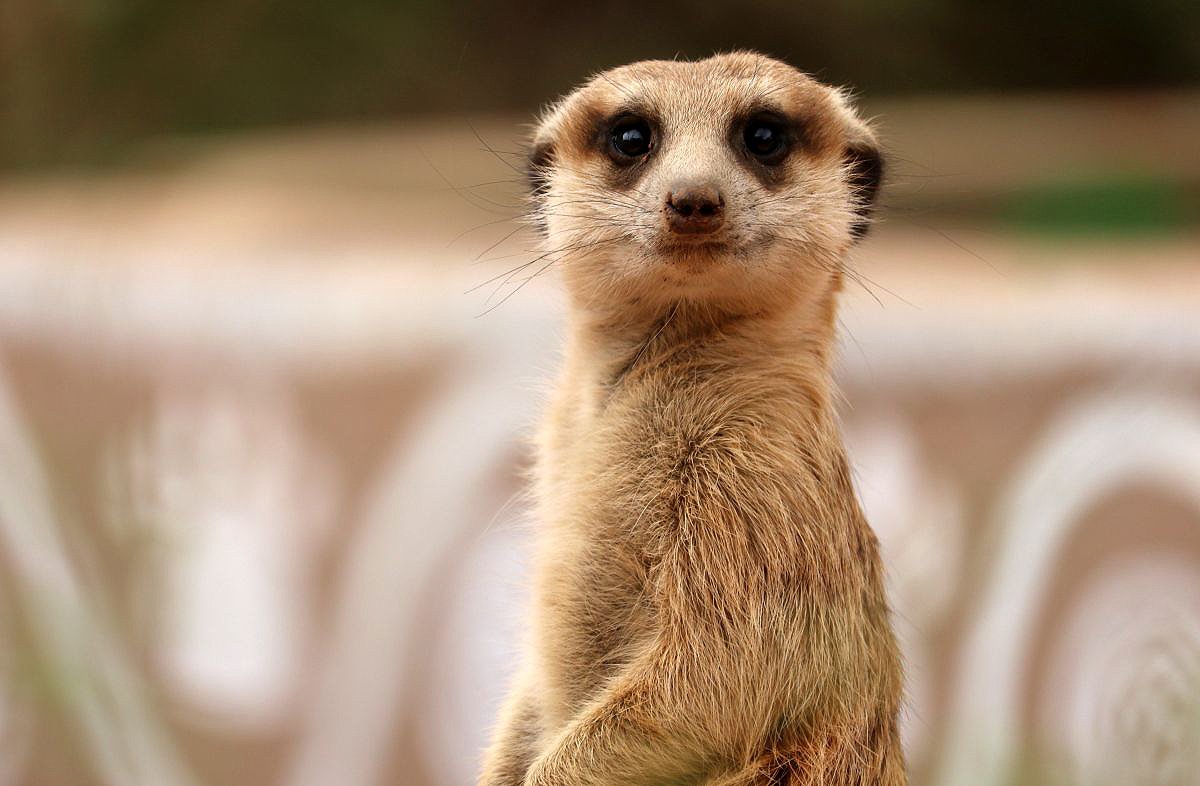



News & Stories

 1
1
A Small Rescue, A Big Future
UPDATE | Jun 2026
Meet the newest little resident at Harnas Wildlife Sanctuary. After being found orphaned and alone, this young hartebeest was rescued by the incredible team at the Namibia Wildlife Sanctuary and given the care he needed to regain strength and confidence. He’s now continuing his rehabilitation journey at Harnas, where he has settled in very well. Getting ready for a wild future ahead.
 1
1
NEWS | May 2026
Looking for the best summer volunteer programs 2026? Here's our top picks in ethical wildlife conservation experiences across Africa, Asia, and Central America.

 1
1
Pack Forming
UPDATE | May 2026
The team has been carefully moving African wild dogs between three reserves, including the sanctuary and TimBila, to balance males and females and strengthen genetic diversity for the species’ survival. This incredible aerial footage captures the moment of introduction at the sanctuary as the new pack comes together for the first time!
Reviews
I had an amazing experience at the wildlife sanctuary. It was what I wanted and more. The animals that you get to see up close and learn about is something that i will never forget. The staff were friendly and welcoming. The food for breakfast, lunch and dinner was so good that it is not possible to go hungry. My favourite part was the Rhino rangers overnight experience and the baboon walks. But in saying that I loved all the activities. The accommodation was a wooden tent structure in Bush Camp where your morning view was the giraffes or warthogs at the watering hole. I would highly recommend this project.
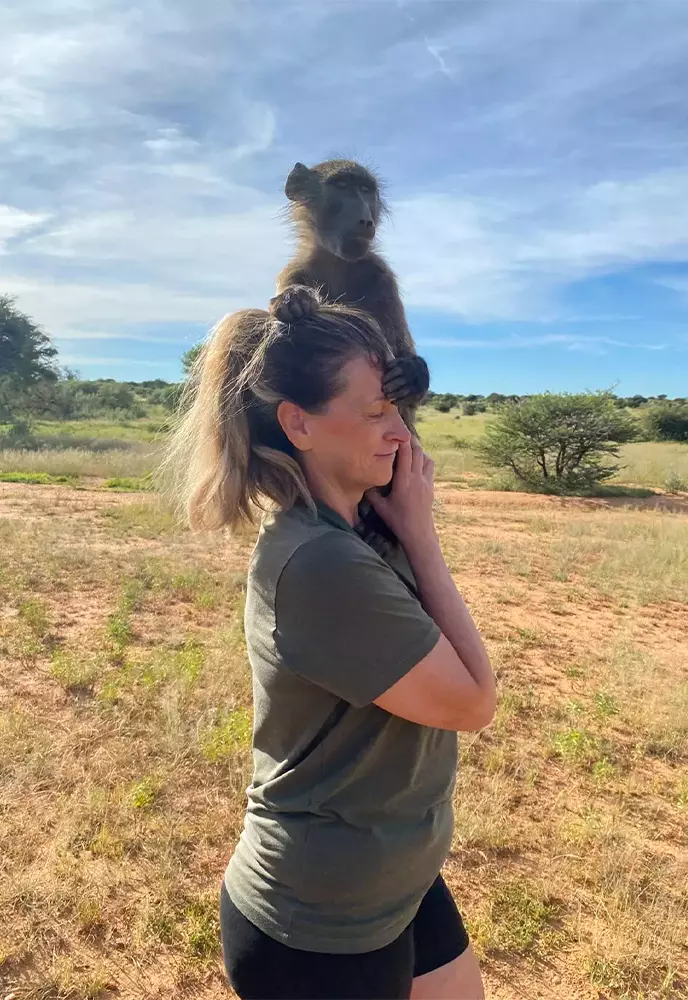
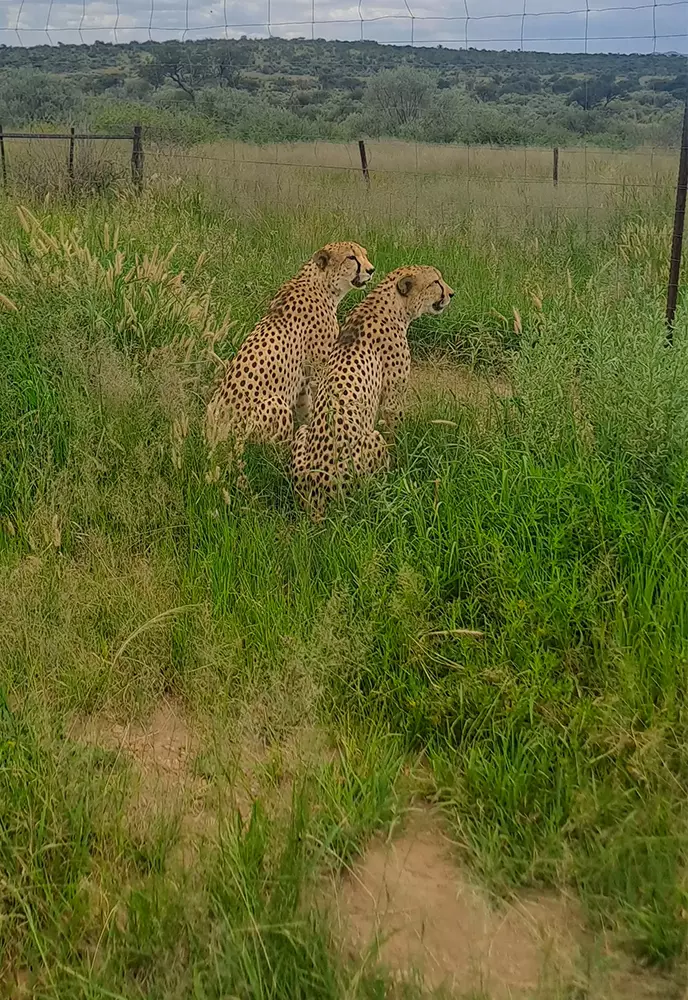
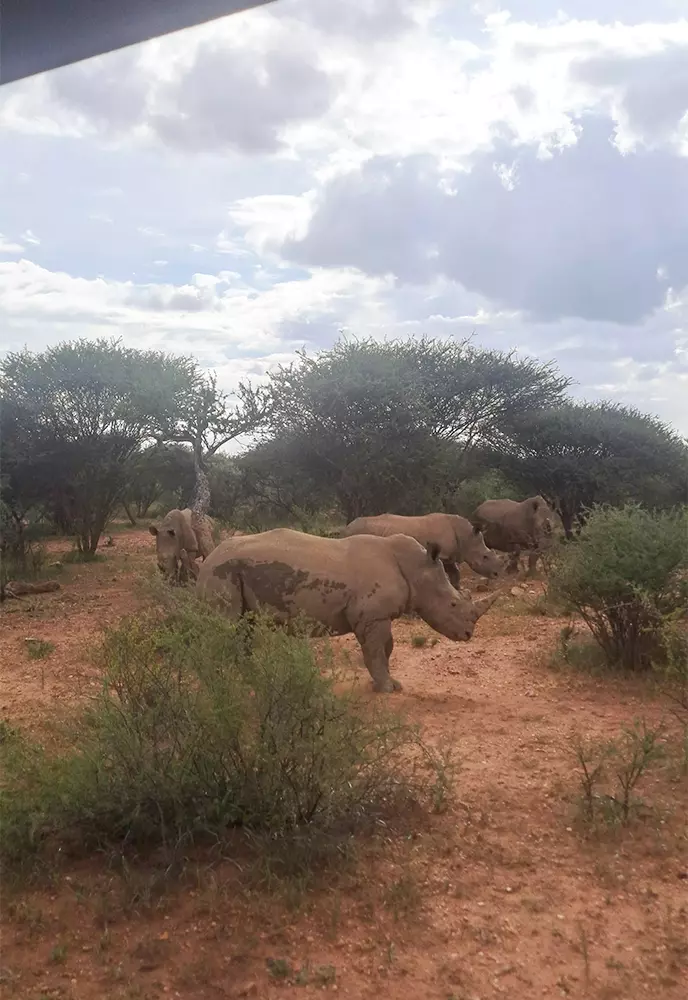
This was a trip I’ll never forget! All I could think about was wishing I could stay longer. Being surrounded by wildlife, meeting new people and forming friendships, holding a baboon in my arms, and walking with cheetahs - all of that made my volunteering weeks truly incredible! I’ve learned a lot about wildlife protection, conservation, and animal care.
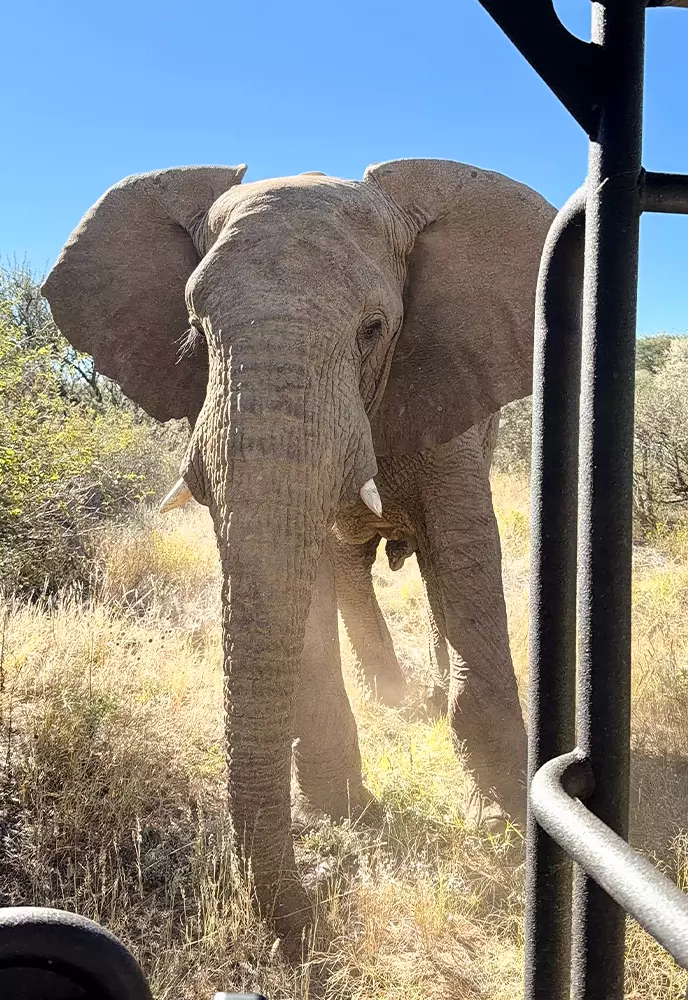
Incredible! I can’t wait to book my next experience. Please, do the same. More people are always welcome
 Download Project Guide
What's Included
- Accommodation
- Three meals per day
- Water, fruit juice, tea and coffee
- Private airport transfers to and from Windhoek International Airport or Windhoek City
- Full orientation and support from the project managers for the duration of your project
- A conservation contribution to the project, funding items such as building materials, food, and animal medications
- 1 x Set of volunteer uniform (t-shirt & trousers/shorts) - additional sets can be purchased for approx. $42
- Wi-Fi
What's Not Included
- Flights
- Soft and alcoholic beverages
From
$2,295.00€1,434.00£1,195.00$1,614.00
-
Up to 75 Persons
-
All Meals Included
-
14 - 84 Nights
-
Start on Any Day
-
Minimum Age 18 (Or From 12 Years Old With An Adult)